Retiring teacher, coach urges Colony grads to ‘find their 68’
By Jeremiah Bartz Frontiersman.com A football coach using a hockey reference as the centerpiece for his keynote address may


PALMER — With more than 100 years behind them, the Pioneers of Alaska know a thing or two about the state’s history.
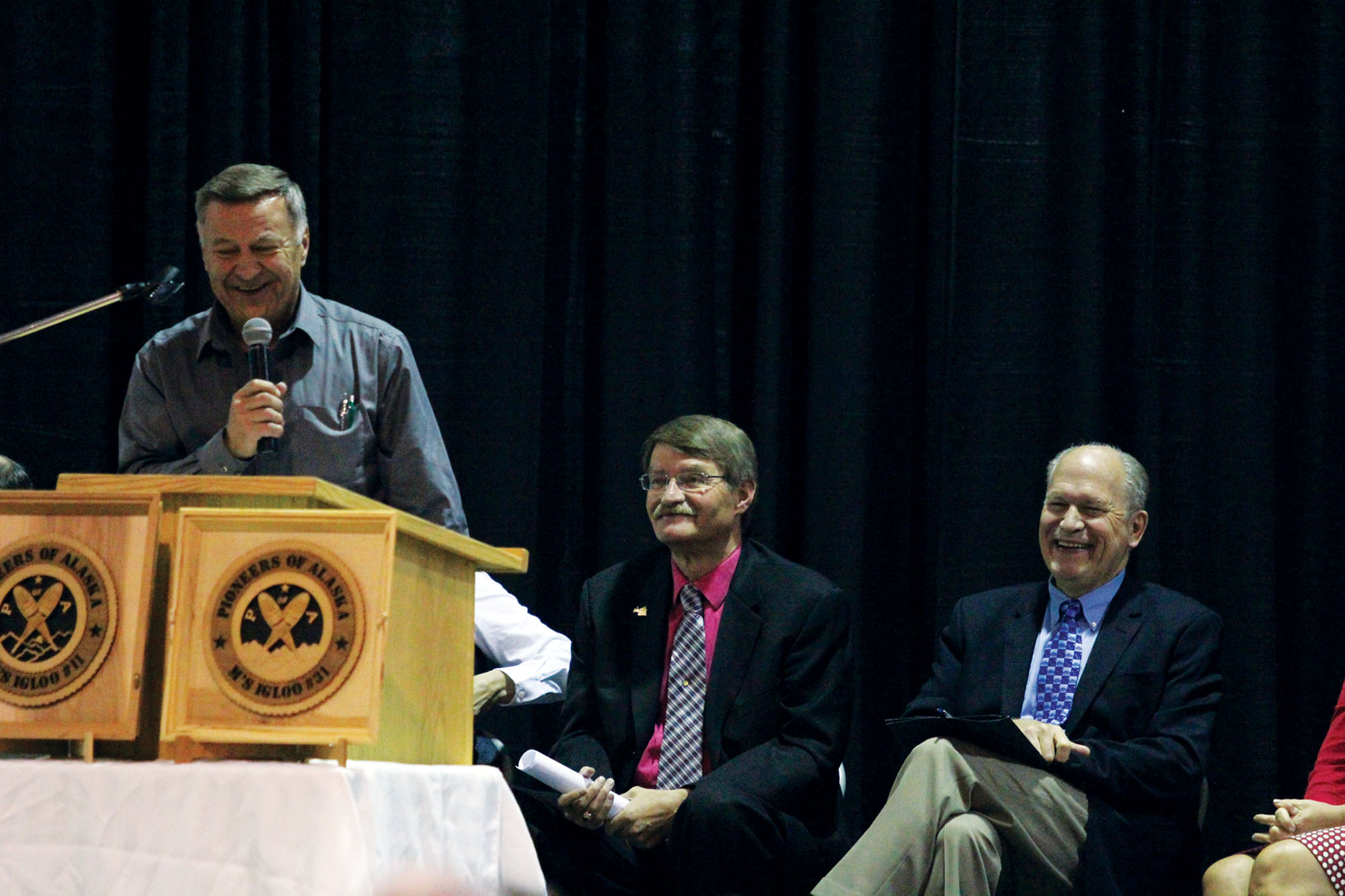
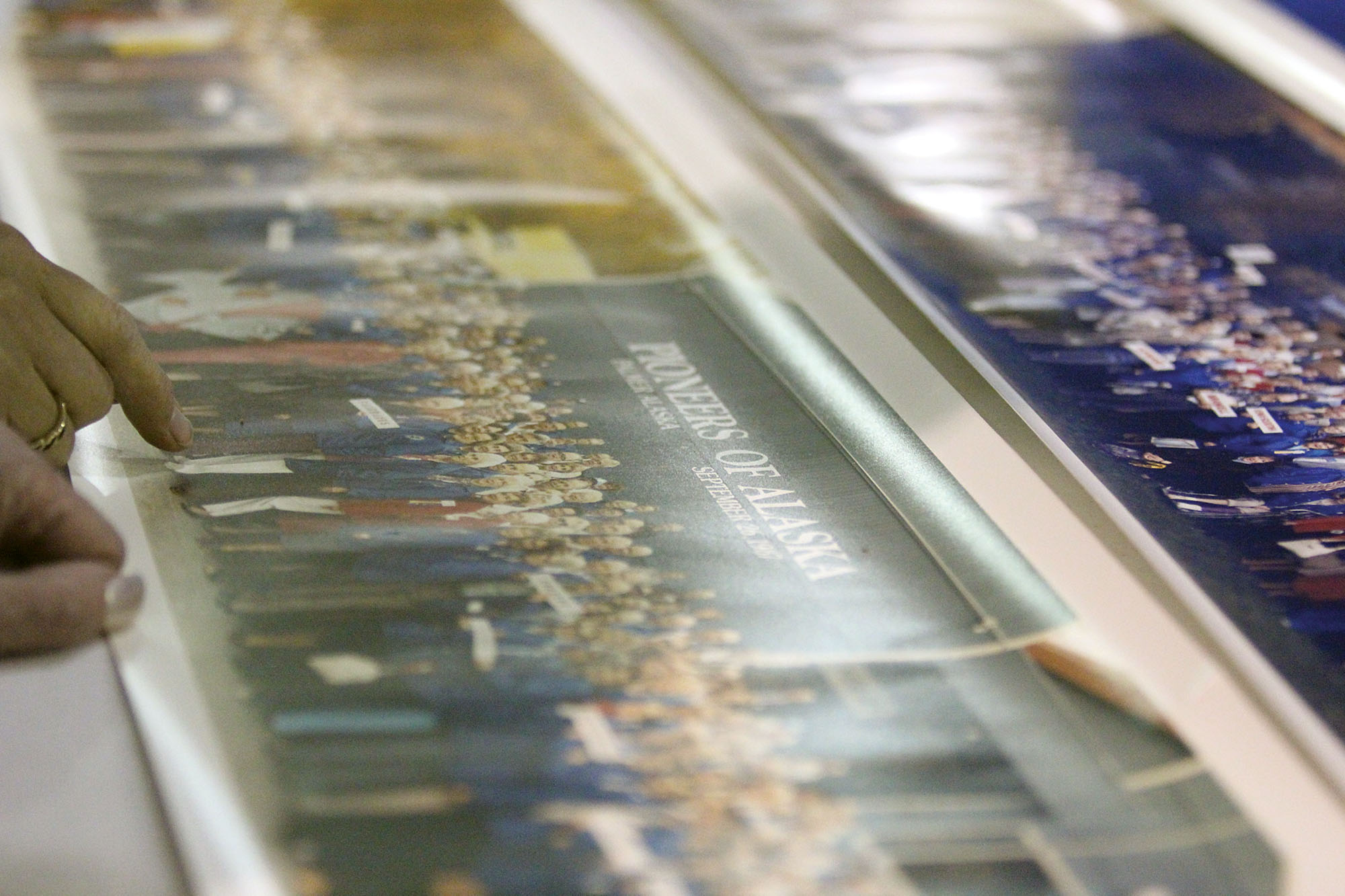
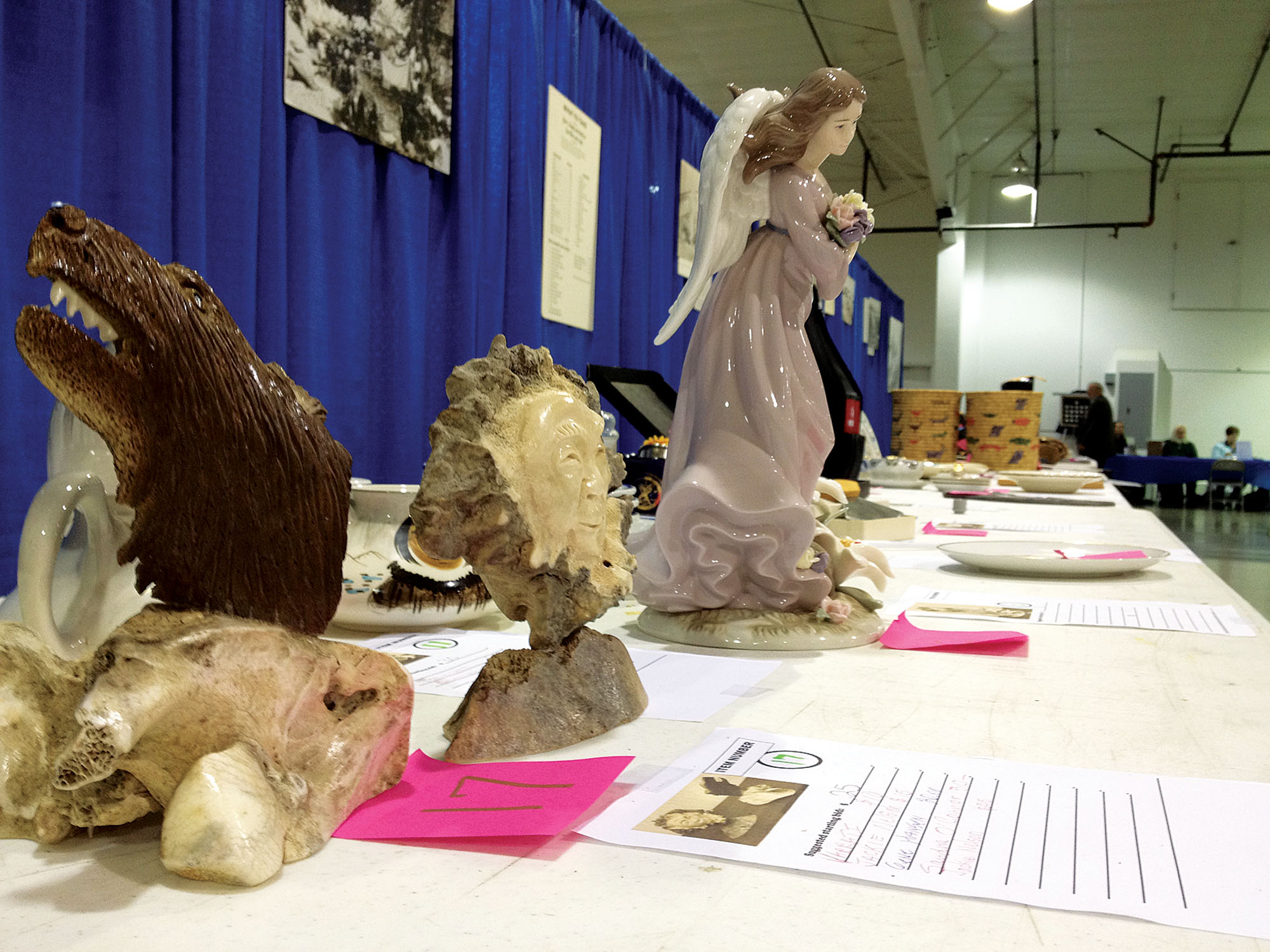
At the 99th annual Grand Igloo Convention in Raven Hall on the Alaska State Fairgrounds this weekend, around 250 Alaskans gathered to celebrate the preservation of state history and shared experience. Members of the organization were treated to performances by the Colony High School marching band and choir on Thursday, as well as a special blend of coffee and catered meals throughout the three-day event.
“It’s more than a convention, it’s actually a family reunion,” said Wasilla Mayor Bert Cottle in the opening ceremony on Thursday. “When we all leave here, we’re united.”
That’s not always the case beforehand, because in the year that each chapter or igloo operates in their individual community, new ideas are always forming.
Incoming Pioneers of Alaska Grand President Fred Thorsteinson, of Juneau, said the convention is really about “sharing ideas.”
“At the convention you get a bit of a perspective of what other people’s challenges are (as Pioneers),” he said.
Thorsteinson did not go into specifics, but said some challenges of the organization as a whole include preserving the historical records of each community and increasing membership.
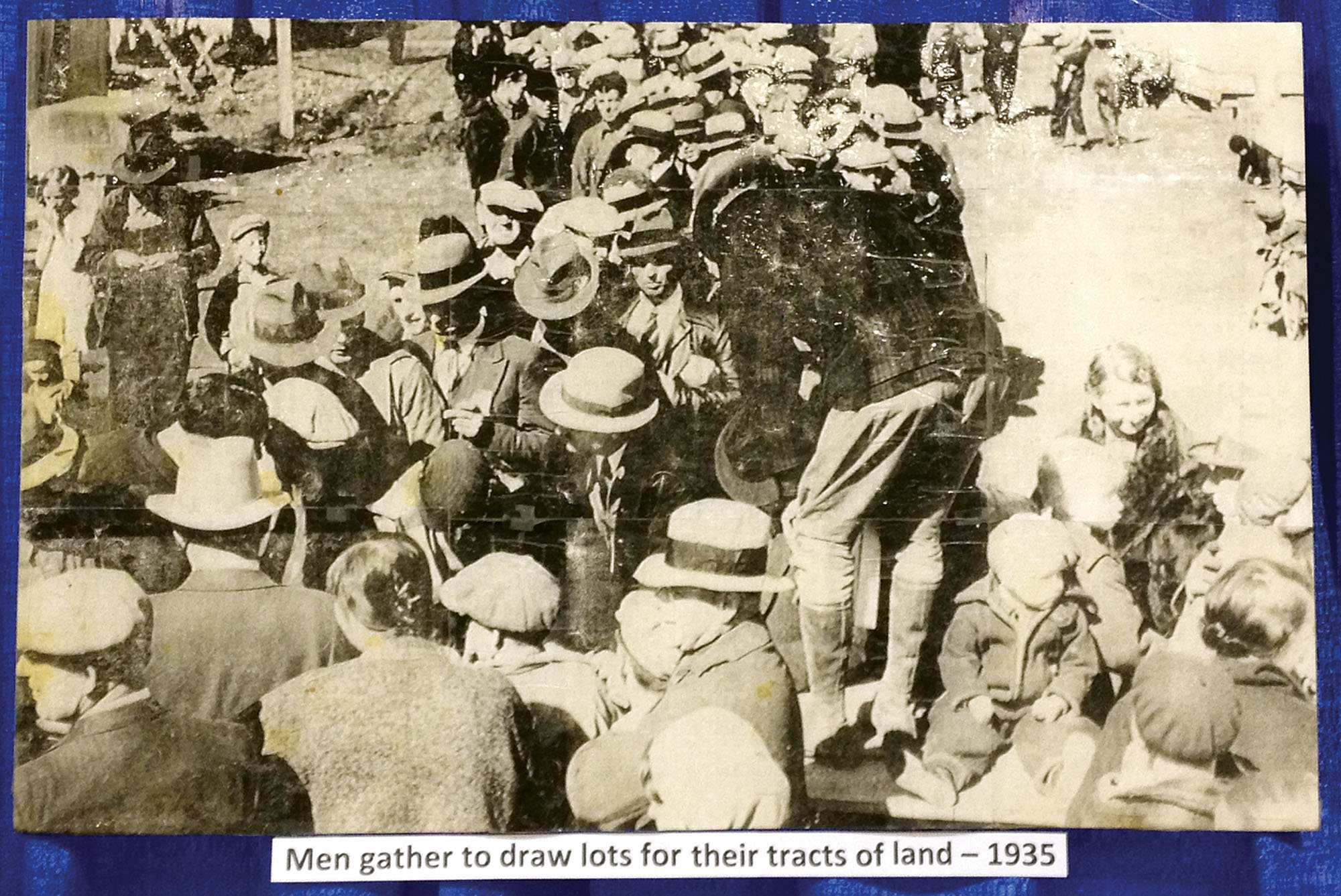
Around the state, Pioneers are in the process of digitizing archives, regularly restoring historic buildings and gathering new information and artifacts from Alaska’s early days. But without a sufficient number of new members to replenish outgoing Pioneers in a timely fashion, there may not be enough hands to complete the work that needs to be done, leaving more room for bits of history to fall through the cracks.
Another rule was that Alaska residents must have lived in the state for at least 30 years — not necessarily consecutive — to be a Pioneer. When the organization began in 1907 as the “Alaska Order,” only white men who came to Alaska before Jan. 1, 1900 could be members — primarily men who had traveled north during the Klondike Gold Rush, Thorsteinson said. After the women’s suffrage movement, membership extended to the men’s wives and adult daughters, and soon the pre-1900 requirement became null. It wasn’t until 1982 that the organization admitted non-white members.
But even the 30-year requirement had been controversial as of late, Thorsteinson said, and on Saturday the Pioneers of Alaska board voted to knock it down to 20 years. Thorsteinson said the move would hopefully do at least two things: bring in newer, older residents who want to be involved in the communities of their final resting places, and bring in younger residents who are needed to keep the group going.
Convention chairman Dave Church, of Palmer, said he thinks it’s time for Alaska’s younger adults “to step in and take over” the labor-intensive duties of the organization, as well as become part of the state’s history.
“I think the younger generations need to step up … (and) get involved in the community,” he said. “Be community activists, get involved in local politics.”
Church says even he, at 61, continues to learn from Alaskans who grew up in the generations before him.
“They’ve had some real adventures,” he said. “They have some great stories to tell.”
Stories that came before cars, for example — “things we take so much for granted,” Church said.
And listening to those stories, preserving them and sharing them, he said, will ultimately work toward the organization’s goal to “promote the best interests of Alaska.”
To learn more about the Pioneers of Alaska, visit pioneersofalaska.org, or contact the local igloos at 5935 E. Tex Al Dr. in Wasilla (men’s) and 375 E. Melissa Rose Cir. in Palmer (women’s).
Contact reporter Caitlin Skvorc at 352-2266.

By Jeremiah Bartz Frontiersman.com A football coach using a hockey reference as the centerpiece for his keynote address may

Frontiersman.com With its headquarters in Wasilla, the Frontiersman has been a primary source of news for the Matanuska-Susitna

By Katie Stavick Frontiersman.com The next generation of leaders took flight this week as the Houston High School Class

By Kyle Wilkinson For the Frontiersman Keynote speaker and Carry the Cure President Bill Pagaran’s words boomed through the