Retiring teacher, coach urges Colony grads to ‘find their 68’
By Jeremiah Bartz Frontiersman.com A football coach using a hockey reference as the centerpiece for his keynote address may


Alaska’s economy continued its gradual recovery from the pandemic with private sector jobs up 2.9 percent from October, 2021, or 6,700 jobs, according to estimates by the Alaska Department of Labor and Workforce Development.
Government jobs declined, however, but the overall increase was still a gain of 2 percent, or 6,000 jobs, year-over-year, according to the labor department. Most of the increase came in jobs in Anchorage and the Matanuska-Susitna Borough.
Statewide, there were 316,900 employed overall in wage and salary jobs in October, according to the state labor department. While the gap is narrowing the total number is still 10,800 below pre-pandemic October 2019, however.
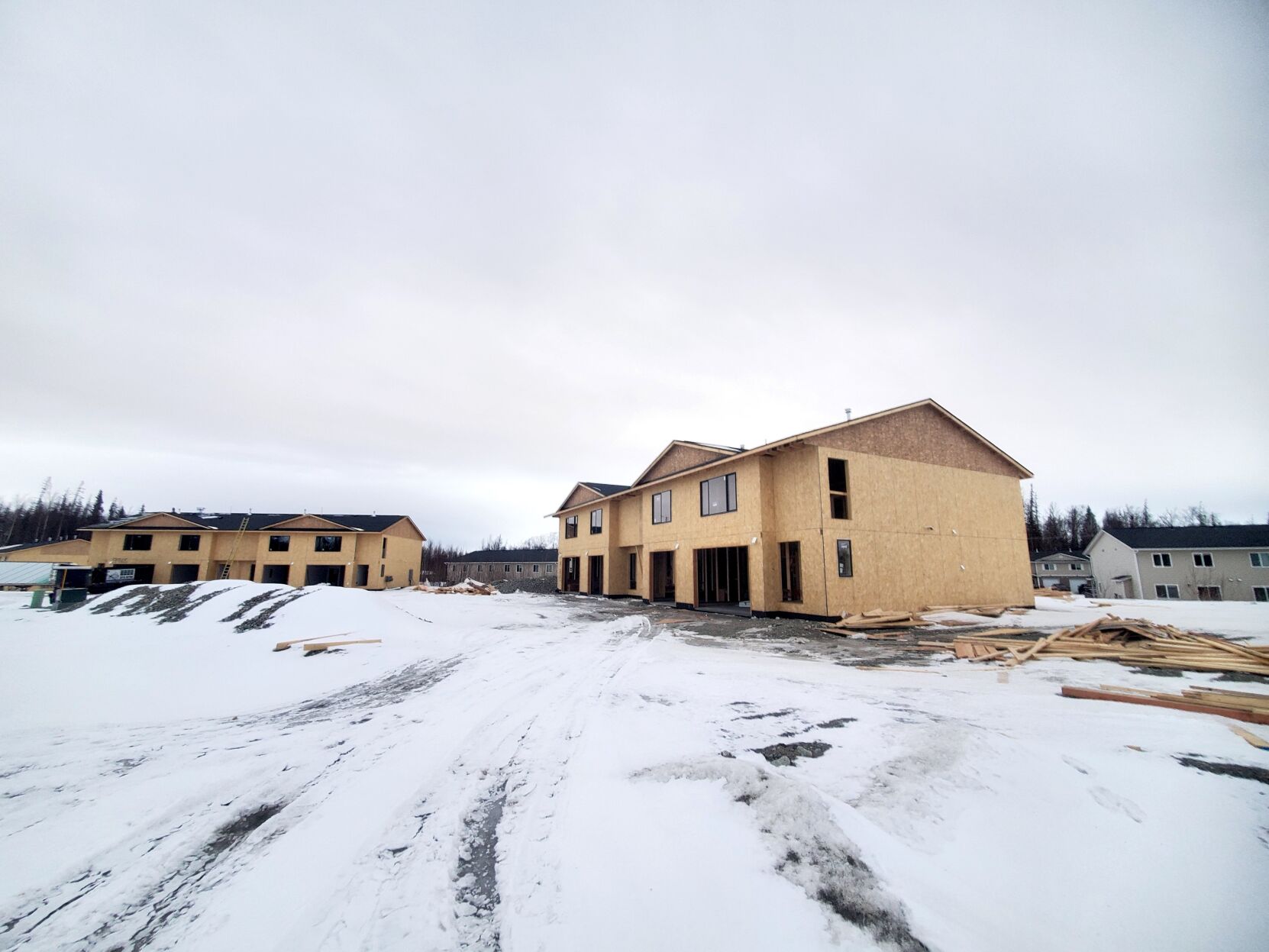
Among high-wage industries, construction gained 400 jobs in October to 17,400 compared with the same month of 2021, but was down slightly, by 100, from pre-pandemic October 2019. Construction weathered the pandemic years of 2020 and 2021 relatively well, cushioned by defense-related work mainly in Interior Alaska.
Mining employment also did well through the pandemic and actually increased, although the industry’s job numbers are less than construction and oil and gas. Mining jobs will reach a decade high in 2022 to 3,538, according to preliminary data from the Dept. of Labor and Workforce Development. In 2022, 3,319 were employed, according to the state labor department.
Mining showed increases all through the pandemic, with 3,111 working in 2020 and 3,008 in 2019. Looking back 12 years, in 2009 the industry employed 2,126.
Oil and gas job recovery is still weak, however. The industry showed a gain of 4.4 percent in October, or 300 jobs against the same month of 2001, but work in petroleum still lags pre-pandemic 2019 and recovery in other higher-wage sectors of the economy, particularly transportation.
“The oil and gas industry’s recovery continued to lag the rest of the economy. Oil and gas employment was= still 2,700 below October 2019. This October’s industry job count, of 7,100, was less than half that of October 2014, just before the one-two punch of the recession and then COVID,” the labor department said in its analysis.
The slowness of the oil and gas recovery, despite recent higher oil prices. reflects continuing effects of the pandemic-related cuts in job-intensive drilling and work on projects and current supply-chain problems and shortages of skilled labor as industry activity gradually resumes.
However, transportation, warehouse and utility jobs were up a brisk 9.8 percent in October year-over-year to 22,000 in total, and were also up 300 from 2019.
Professional and business services jobs were up 300 in October, to 26,800, compared with October 2021 but still down 700 from pre-pandemic 2019. Professional and business services includes engineering and consulting work and is closely watched as an indicator of construction projects in the planning and permitting stages.
Meanwhile, leisure and hospitality work mainly in hotels and restaurants, was up 9.7 percent, or 2,900 jobs, from October 2021, a reflection mainly of continued recovery in tourism. Although October is typically post-season in the visitor industry a few cruise ships continued to sail to Alaska during the month, extending the seasonal bump in tourism-related employment.
The big retail sector gained marginally, up 200 jobs to 34,600 from October 2021, but was still down 700 from pre-pandemic 2019. There may have been some effect of the higher Permanent Fund Dividends in October, as the PFD payments began in late September.
Economists will watch the November employment, particularly in retail, to assess any bump up in jobs due to the dividend.
A drop in government employment took away some of the gain in private jobs. “Although most industries were up from year-ago levels, state and federal government and private education and health employment were lower than a year ago,” the labor department said.
“The biggest losses came from state government, down 900, and education and health, down 400, a category that includes private social services, which registered the bulk of the losses. The federal government was down 100 jobs over the year,” the department said in its analysis.
The state’s seasonally adjusted unemployment rate, meanwhile, was 4.5 percent, up a tenth of a percentage point from September. The comparable U.S. rate was 3.7 percent, up from 3.5 percent the month before.

By Jeremiah Bartz Frontiersman.com A football coach using a hockey reference as the centerpiece for his keynote address may

Frontiersman.com With its headquarters in Wasilla, the Frontiersman has been a primary source of news for the Matanuska-Susitna

By Katie Stavick Frontiersman.com The next generation of leaders took flight this week as the Houston High School Class

By Kyle Wilkinson For the Frontiersman Keynote speaker and Carry the Cure President Bill Pagaran’s words boomed through the