Retiring teacher, coach urges Colony grads to ‘find their 68’
By Jeremiah Bartz Frontiersman.com A football coach using a hockey reference as the centerpiece for his keynote address may


WASILLA— The Mat-Su Valley is ground zero for Alaska’s agricultural market. Through hardship and ingenuity, the farmers out here survived colonization and broke ground to found the future. The future is here and some have already broken into retail with an emerging wave of farmers slowly but surely colonizing the new economy.
“If you want them to make more, it’s going to take time,” said Jennifer Castro, Publications Specialist, Alaska Grown Marketing.
From farmers markets to Three Bears, Carrs Safeway to mobile poultry processing plants, there’s a number of ways for a farmer to start selling the fruits of their labor. Only a handful of Valley producers are bringing consistent, wholesale quantities of products into the market however. A majority of Alaskans get their food from big box stores like Carrs Safeway or Fred Meyer. Fortunately for the state’s agricultural industry, more Alaskans are open to pay more for local food, more locally grown products are breaking into to local and big-name retailers with more people buying them, there’s a rising trend of people trying to eat local, and food distribution is on the rise.
“It’s an evolving opportunity that farmers didn’t have a few years ago- its convergence,” said Unified Operations, LLC President and CEO Terry Smith.
The industry is making small strides and shows positive signs of sustainable growth. However, any farmer looking to start wholesale has to look far ahead and figure out how to keep a steady supply to keep up with the demand. After that, they need to make sure they meet all current regulations and have the proper certifications from USDA. The sticker is their golden ticket but getting into the Wonka factory can be daunting and even frustrating to new farmers.
“It’s not a get-rich-quick deal. You can’t just ‘build it and they will come,’” Smith said. “It needs to be sustainable.”
The livestock industry appears to be doing particularly well. According to Castro, Alaskans are estimated to consume nearly 156 million pounds of beef, pork and chicken annually and only 2.5 million pounds — 2 percent — is produced in the state. In spite of this, there’s modest, but noteworthy, growth within the state, especially in the Valley.
“It’s become a valuable commodity in this state and there’s a lot of potential — plus it tastes good!” Castro laughed.
She said that often times, the meat we import is already three weeks old.
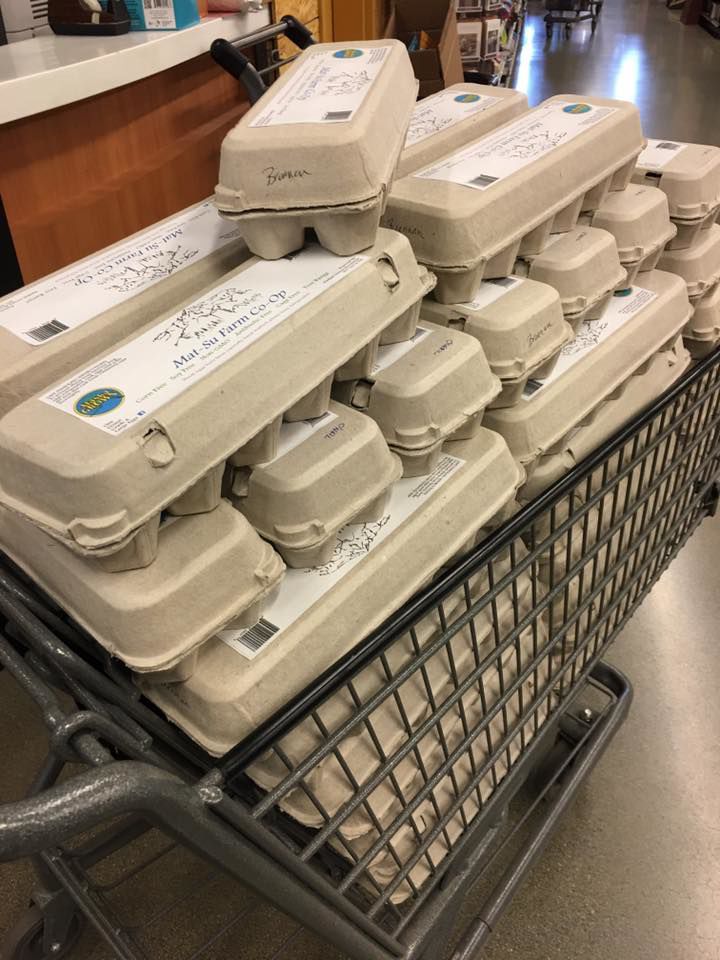
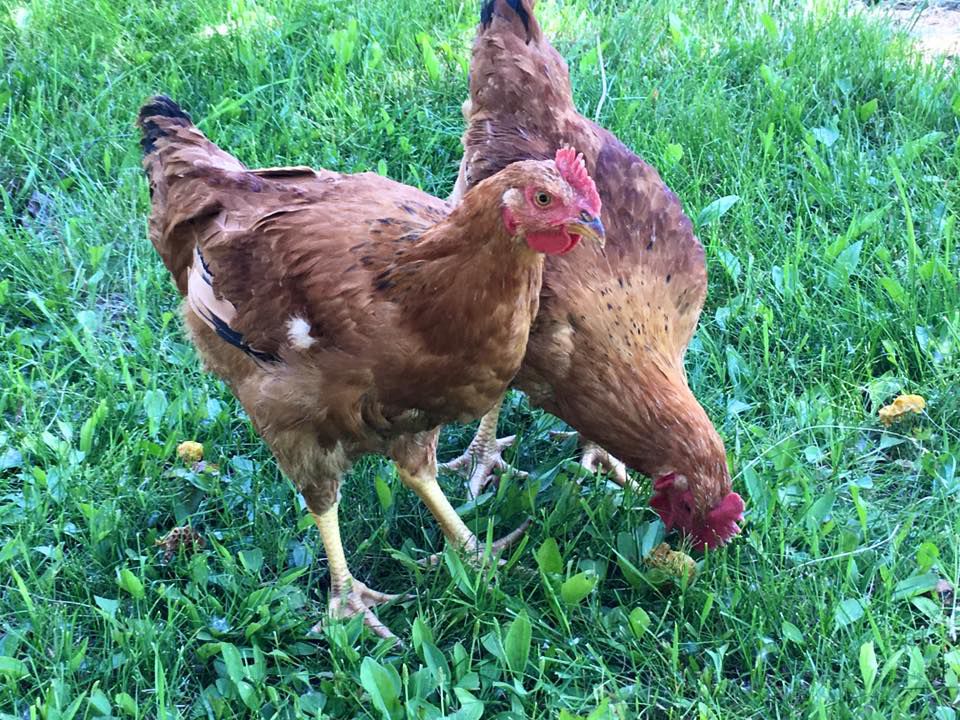
Produce also takes a while to get here, too. The food often loses flavor and nutritional value. Groups like the Mat-Su Farm Co-Op are acting as a conduit in addition to being a consistent producer for poultry, bison, elk, yak and other locally sourced meat. Mat-Su Farm Co-Op founder, Richelle Plummer said that there’s a lot of movement in the state’s meat and dairy industry.
“I think the tide is turning,” Plummer said.
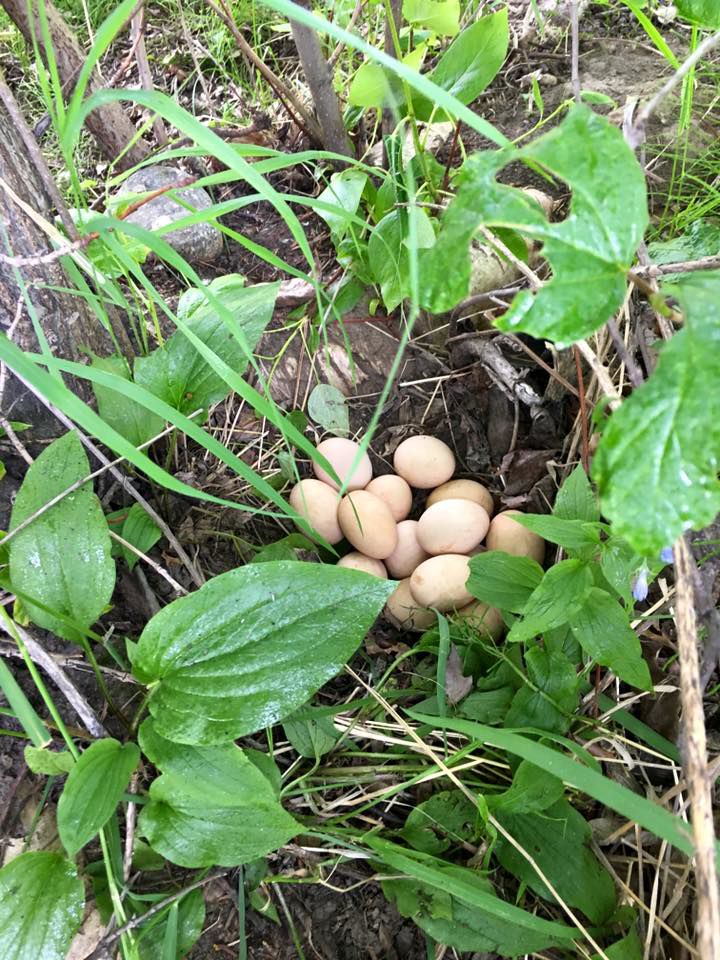
The meat industry apparently failed to take off in the 80’s and dairy flopped in the 90’s, according to Plummer. This discouraged a lot of people and many were “burnt.” However, the more recent success of the Mt. McKinley slaughterhouse was a “catalyst” that left people feeling more optimistic, Plummer said. The Mat-Su Farm Co-op started out distributing eggs three years ago. Since then, it has expanded onto chicken and red meat.
“It’s fun to be on the front line of the local food movement,” Plummer said. “‘Alaska Grown’ is really starting to take off.”
The Co-op helps farmers get started in producing chickens for market. They also sell local meats directly to consumers. Throughout the year, they pick up eggs and livestock from farmers and distribute them across the state. They work with farmer markets and local stores like Three Bears, Natural Pantry and New Sagaya City Market.
“Every dollar spent on local food stays in our economy. We’re improving our economy from the ground up,” Plummer said.
She said that expanding Mat-Su Farm Co-op further into retail is definitely possible, but she is going to hold steady for now, nothing that “growing too fast is always a problem.”
“I don’t want to bite off more than I can chew,” Plummer said.
She anticipates more people getting into farming, even if it starts as a hobby.
She said some of the most qualified farmers today are part of the younger generation, 4-H kids and so on. She said the farming community is known to have its fair share of mentors, which is good because it’s going to take the experience of farmers who know how to breed hardy plants and animals and the commitment of the upcoming generation to take what they’ve learned to levy a sustainable presence in the 21st century market.
“Most of these chain store’s buyers want to work with distributors rather than the farmers,” Castro said.
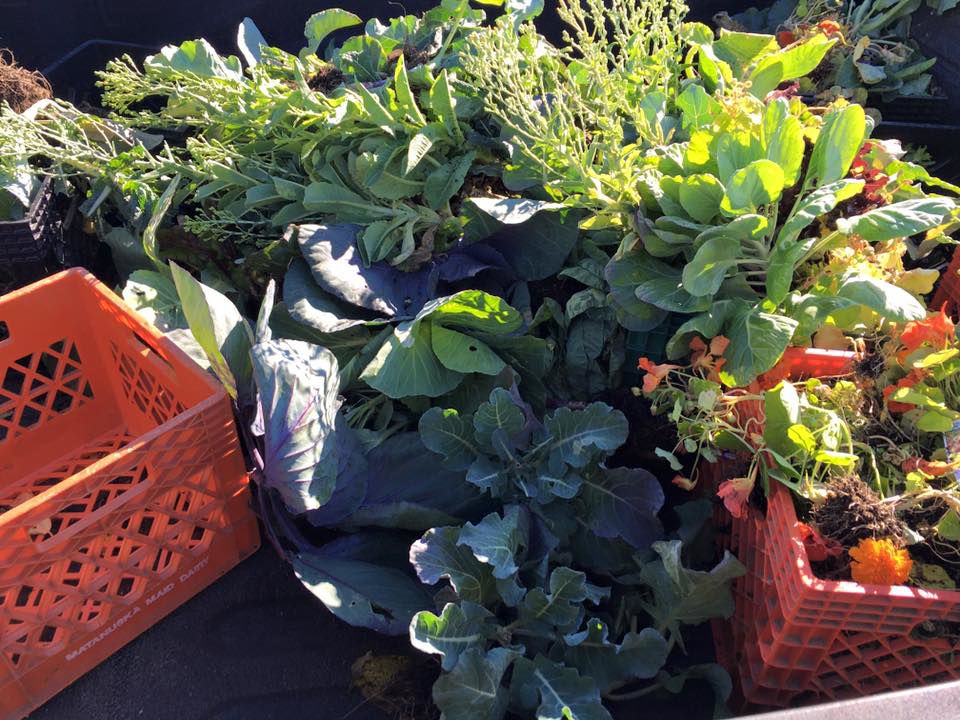
That’s one of the main reasons Smith started the Bogard Food Hub. They work with farmers across the Valley to consolidate their products and help get them on the market. The farmers can focus on their agricultural skills while food distributors like the Bogard Food Hub can focus on the logistics. Smith said about 30 to 40 percent of these farmers’ crops are left in the ground and don’t make it the consumers. He wants to see that change. He also said the cost of animal feed is way too high; so high production cost and logistical frustration has been turning people off from trying to get in the black with their green thumbs.
“I think that’s why there’s such a high turnover of farmers,” Smith said.
He is very hopeful and anticipates more farmers breaking into retail. He said the industry is tough but the buyers are there. The farmers in the Valley are fragmented but if everyone works together, they can plan ahead and plant the seeds for tomorrow.


Frontiersman.com Mat-Su Regional Medical Center was awarded an “A” Hospital Safety Grade for the 5th consecutive grading round

Frontiersman.com The Alaska State Fair announced the appointment of Blake Allen as its new Chief Executive Officer. Allen brings
By Frank Murkowski Opinion Hilcorp, in acquiring BP’s Alaska assets, follows a record of cooperation with our state government

Frontiersman.com Mat-Su Health Foundation (MSHF) has named Ashley Peltier as Director of Philanthropy, effective May 4. In her