Retiring teacher, coach urges Colony grads to ‘find their 68’
By Jeremiah Bartz Frontiersman.com A football coach using a hockey reference as the centerpiece for his keynote address may


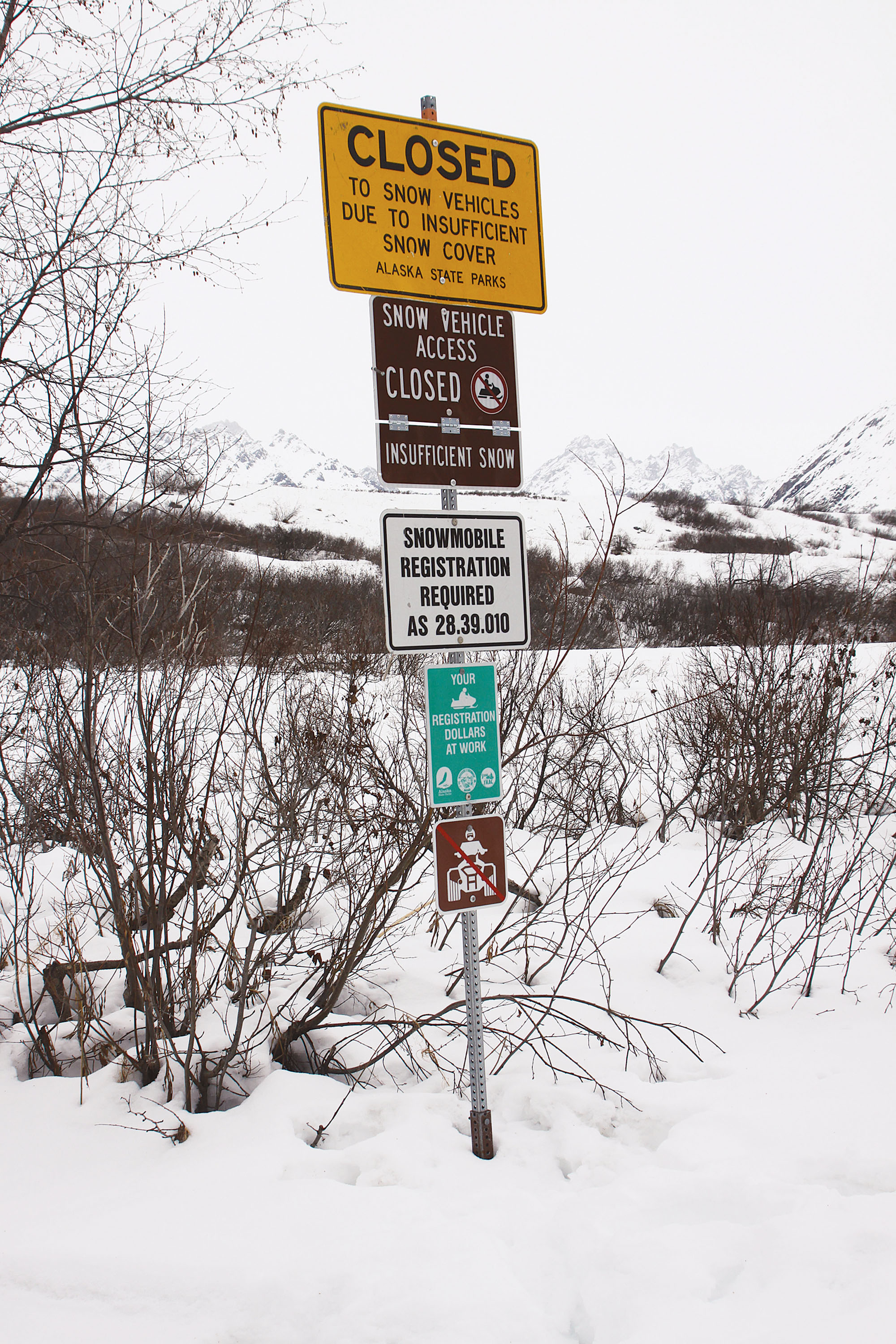
HATCHER PASS — A group of snowmachiners has challenged the Alaska Division of Parks and Outdoor Recreation over snow depths.
Lin Turner, whose history in the area stretches back more than 50 years, was among a group of six riders ticketed for snowmachining in the area last week.
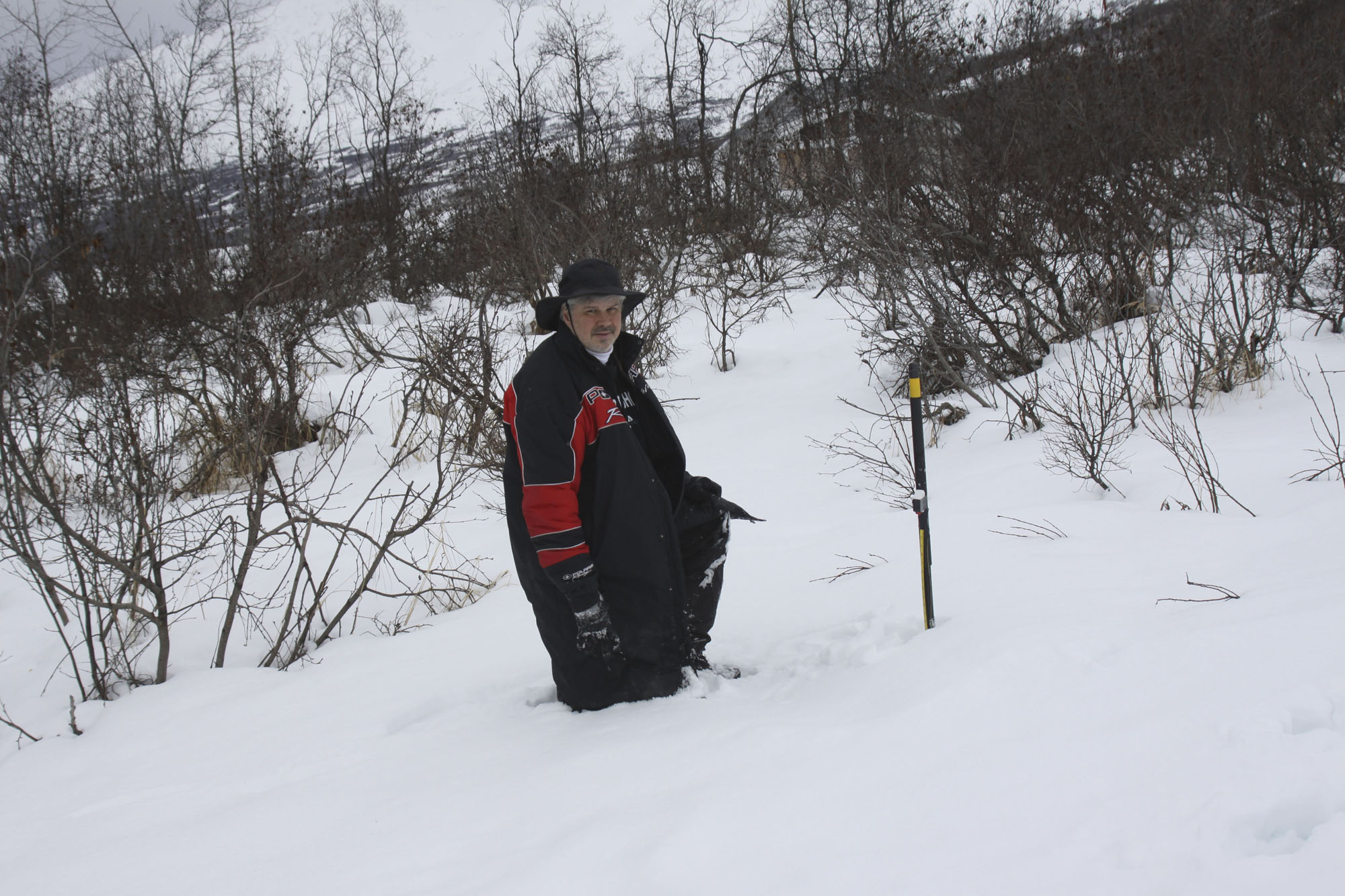
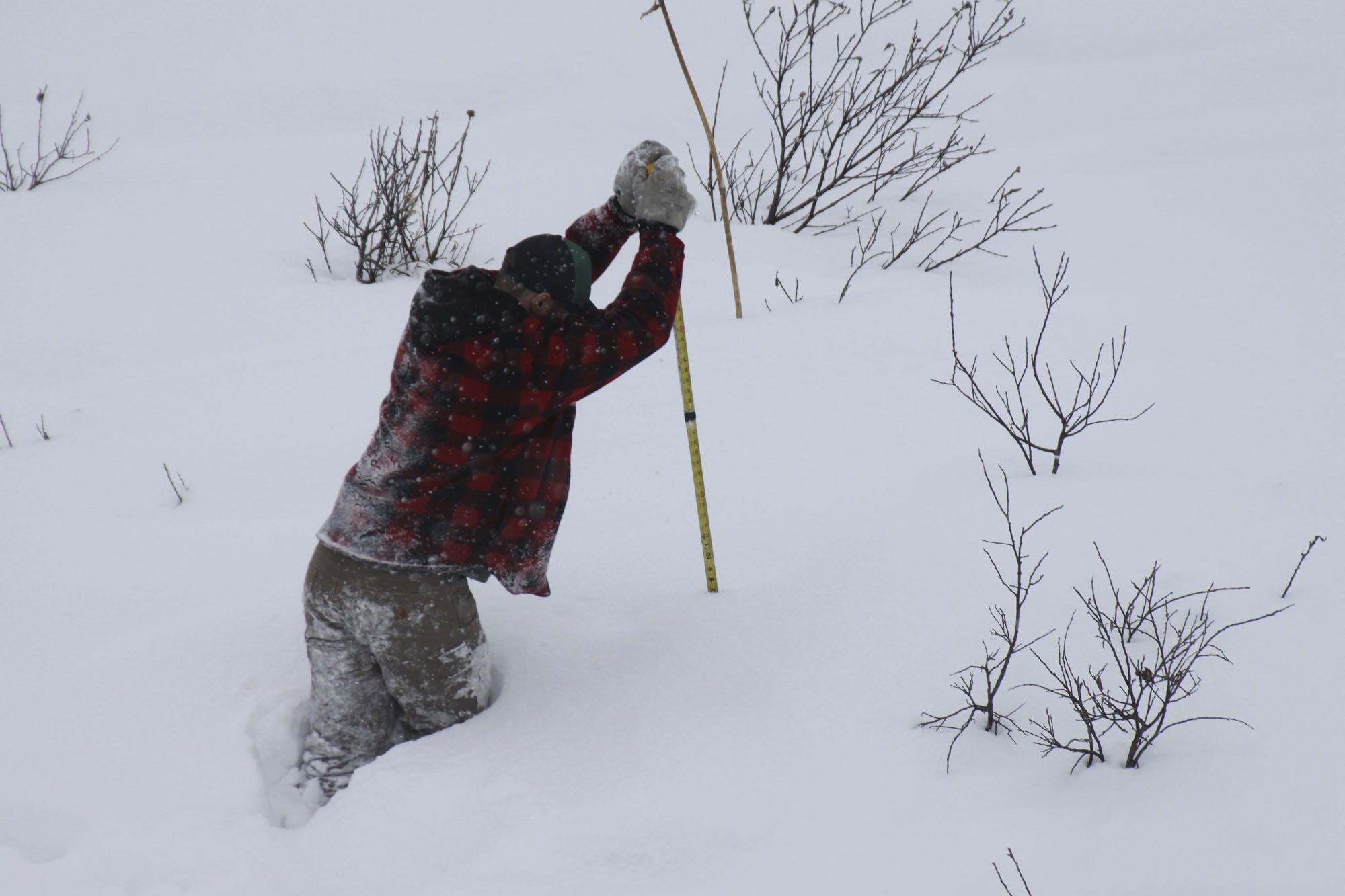
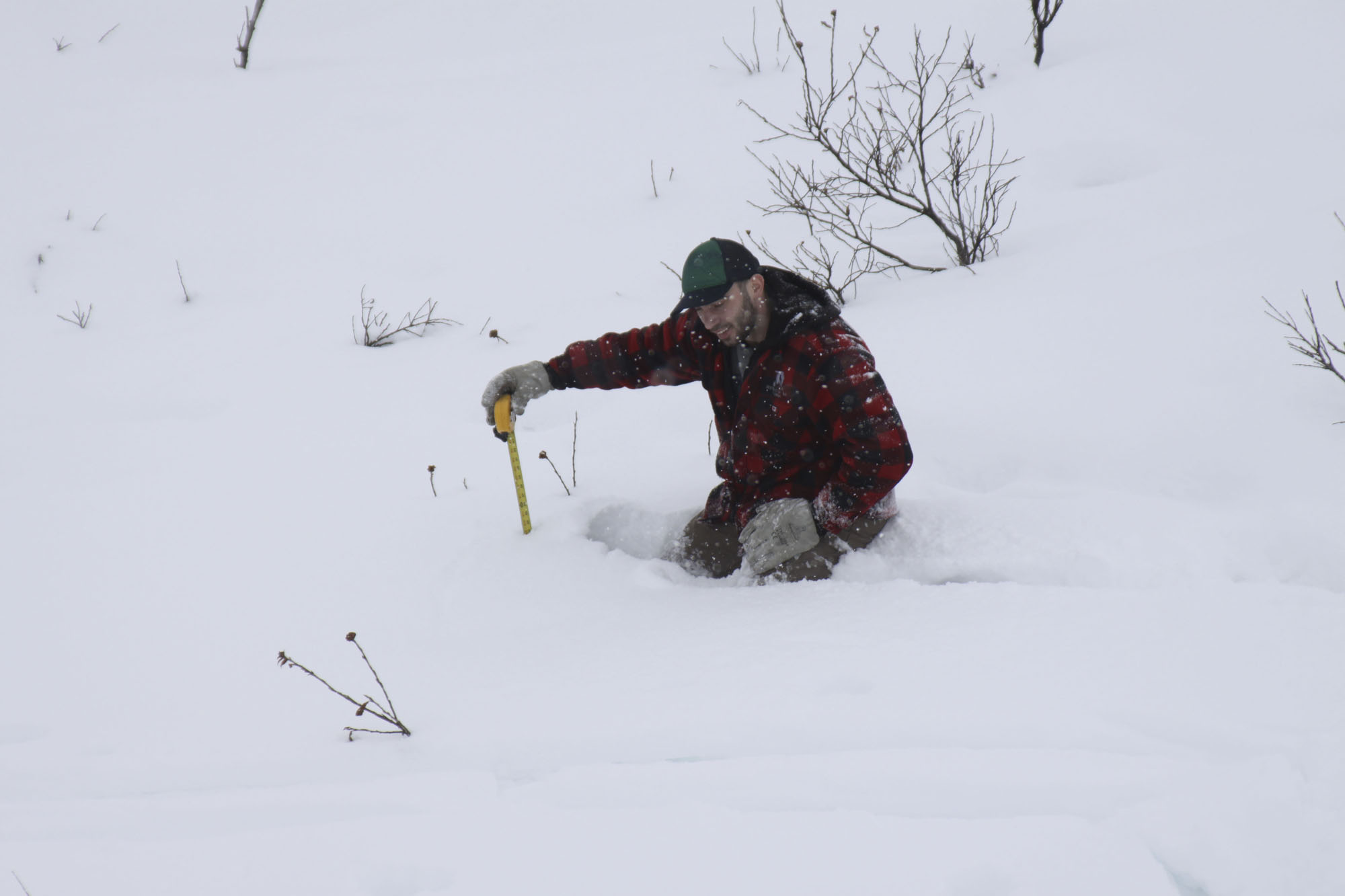
“We felt compelled, a group of us, to go up there and take some measurements,” he said.
He said that his measures were much deeper snow depth numbers than the parks division reported.
The tickets annoyed Turner and his compatriots, but the trespass orders accompanying them infuriated the riders. For the indefinite future, he and the other riders aren’t allowed into the state park, he said.
“Nobody loves that place as much as I do and I would never do anything to hurt it,” Turner said.
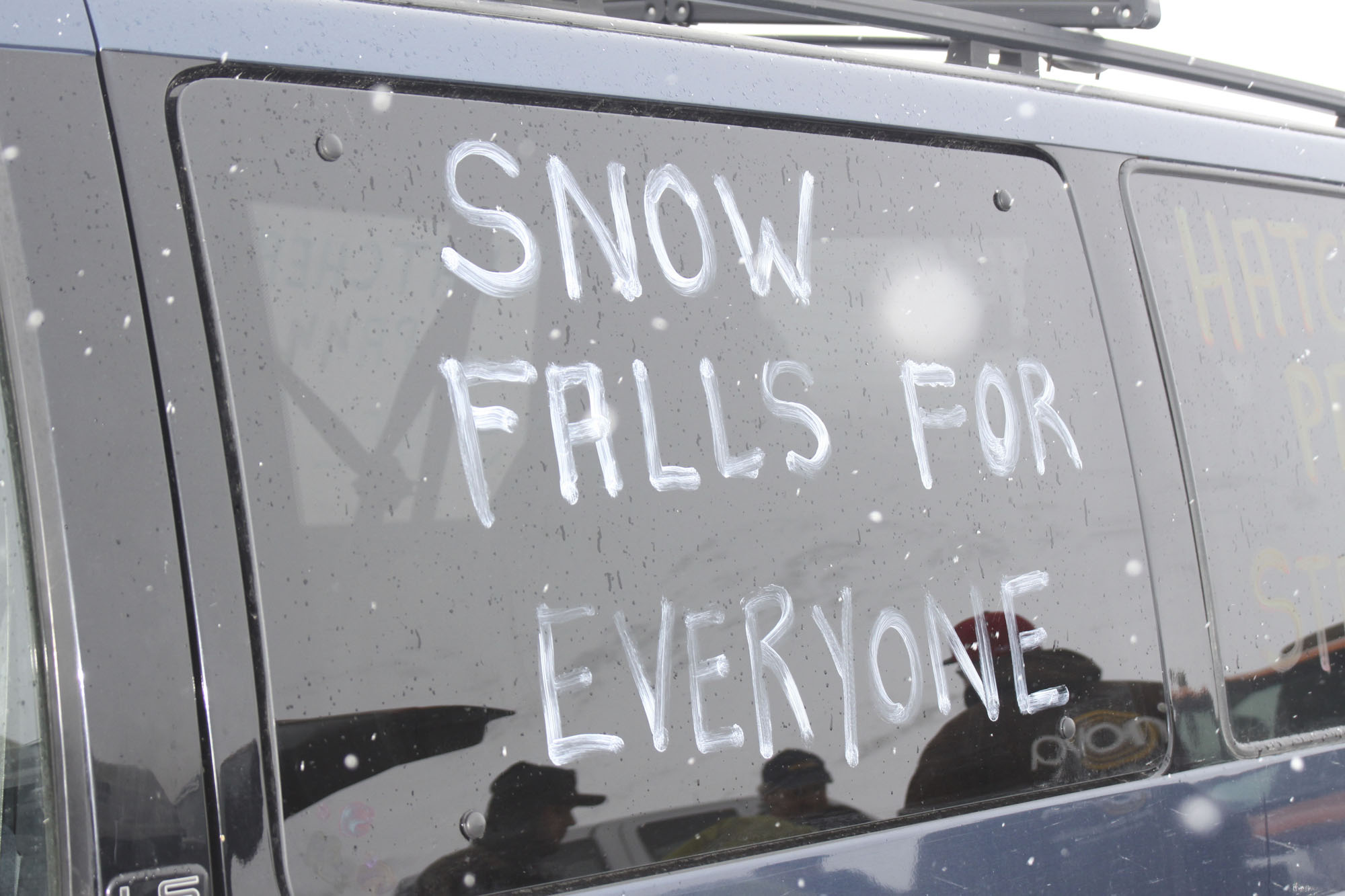
He spoke in the parking lot of Turner’s Corners, the convenience store and gas station near the corner of Wasilla- and Palmer-Fishhook roads. Turner’s brother, Jim Turner, owns the place. After the citations, Jim Turner covered up one of the signs along the road with a new sign saying State Parks employees were no longer welcome there.
Marty Mobley also was ticketed. He said he’s actually unsure — and the Alaska State Troopers who stopped him couldn’t clarify — if he’s breaking the law when he’s sitting on his couch because his home is within the park’s boundaries.
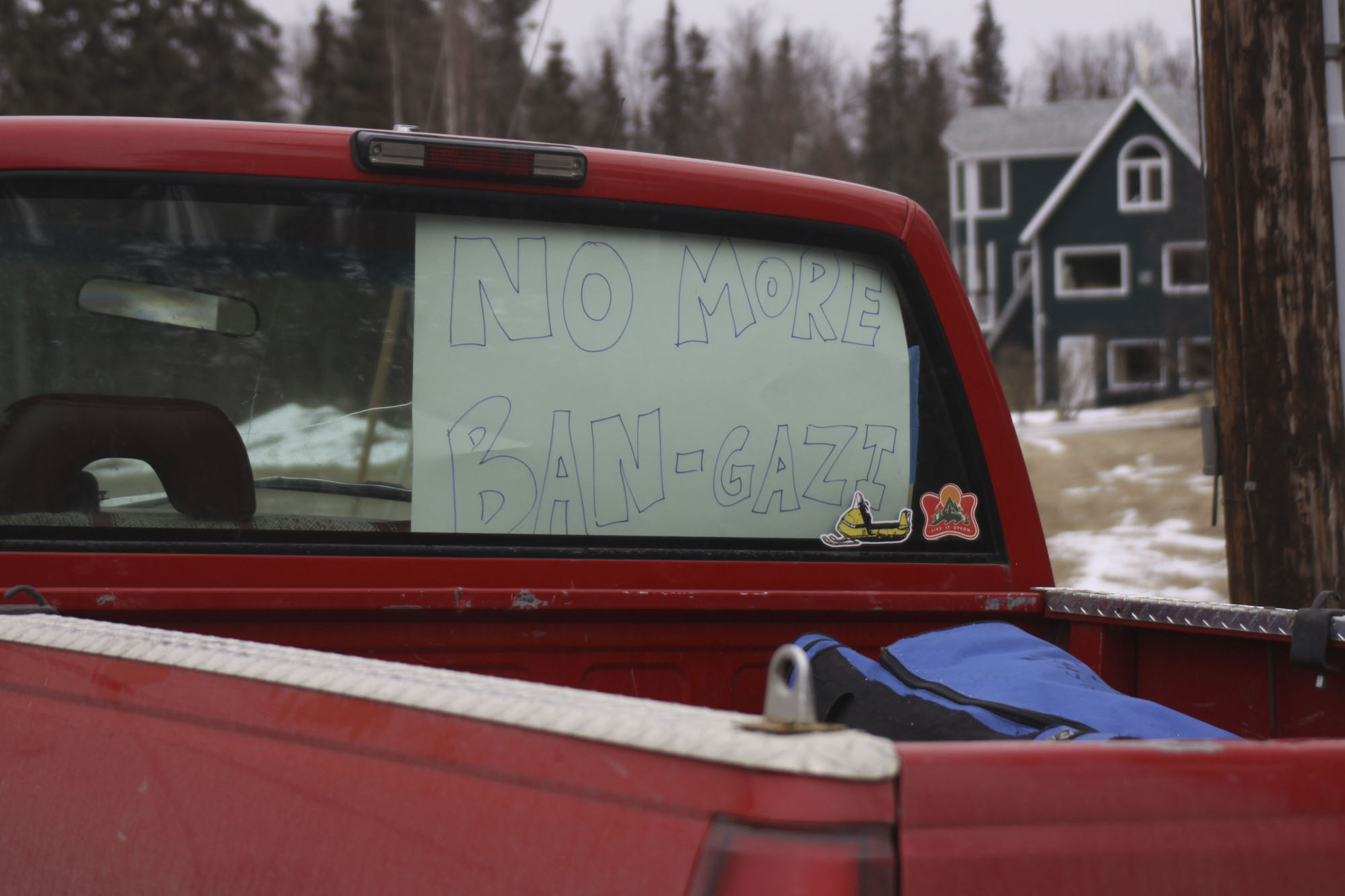
The snowmachiners met at Turner’s store to gather signatures on a petition and tell their stories. Then some folks headed up to the Fishhook parking lot for a barbeque/protest. The lot was filled with trucks and the truck beds filled with snowmachines. None was taken out for a ride.
So, exactly how much snow is enough snow to let snowmachiners in?
“The rangers always say ‘we’re not looking for a number, we’re looking for a good snowpack,’” Mobley said. “Which we’ve had for months.”
Not so, said ranger Damon Hampel.
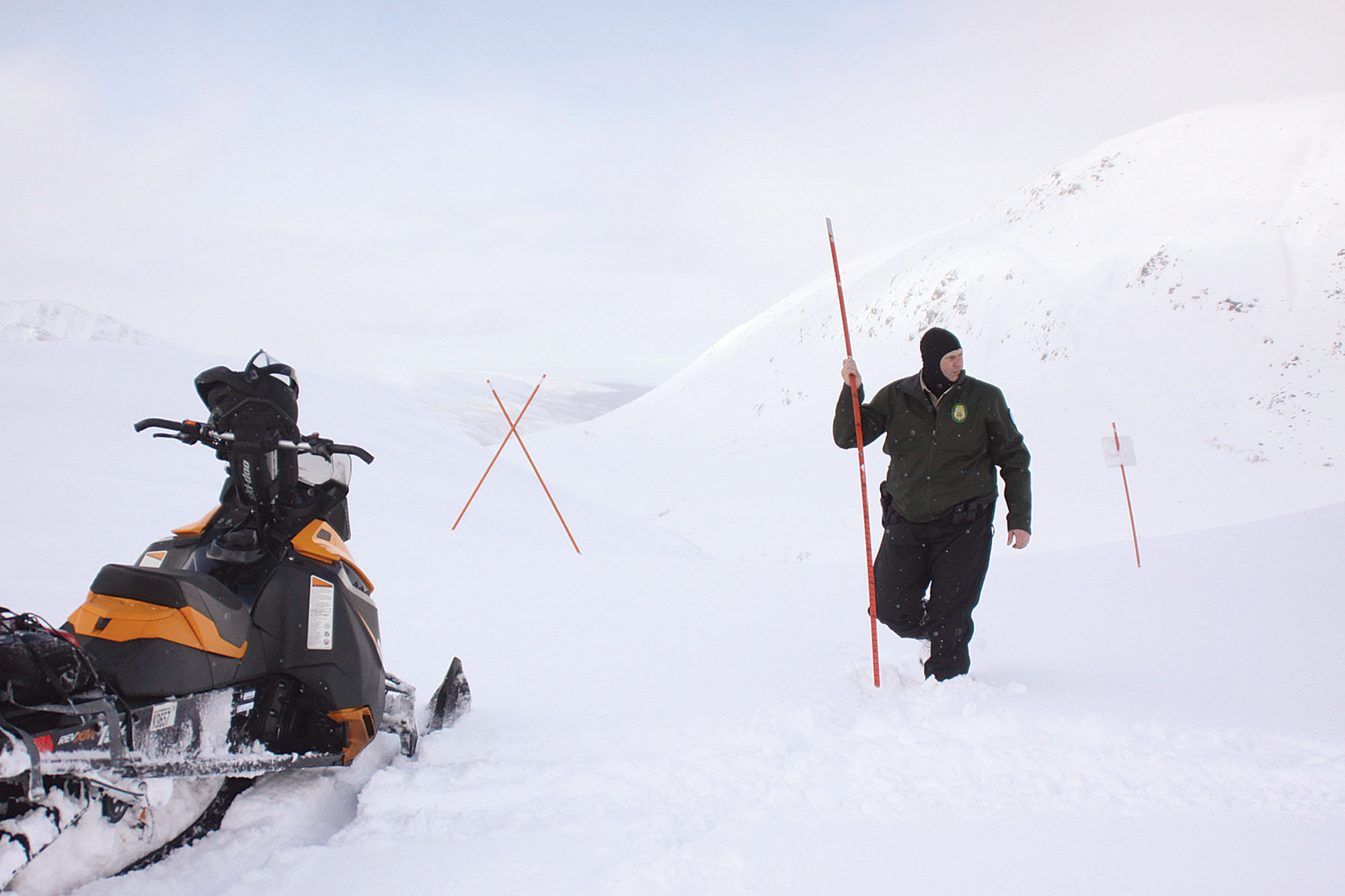
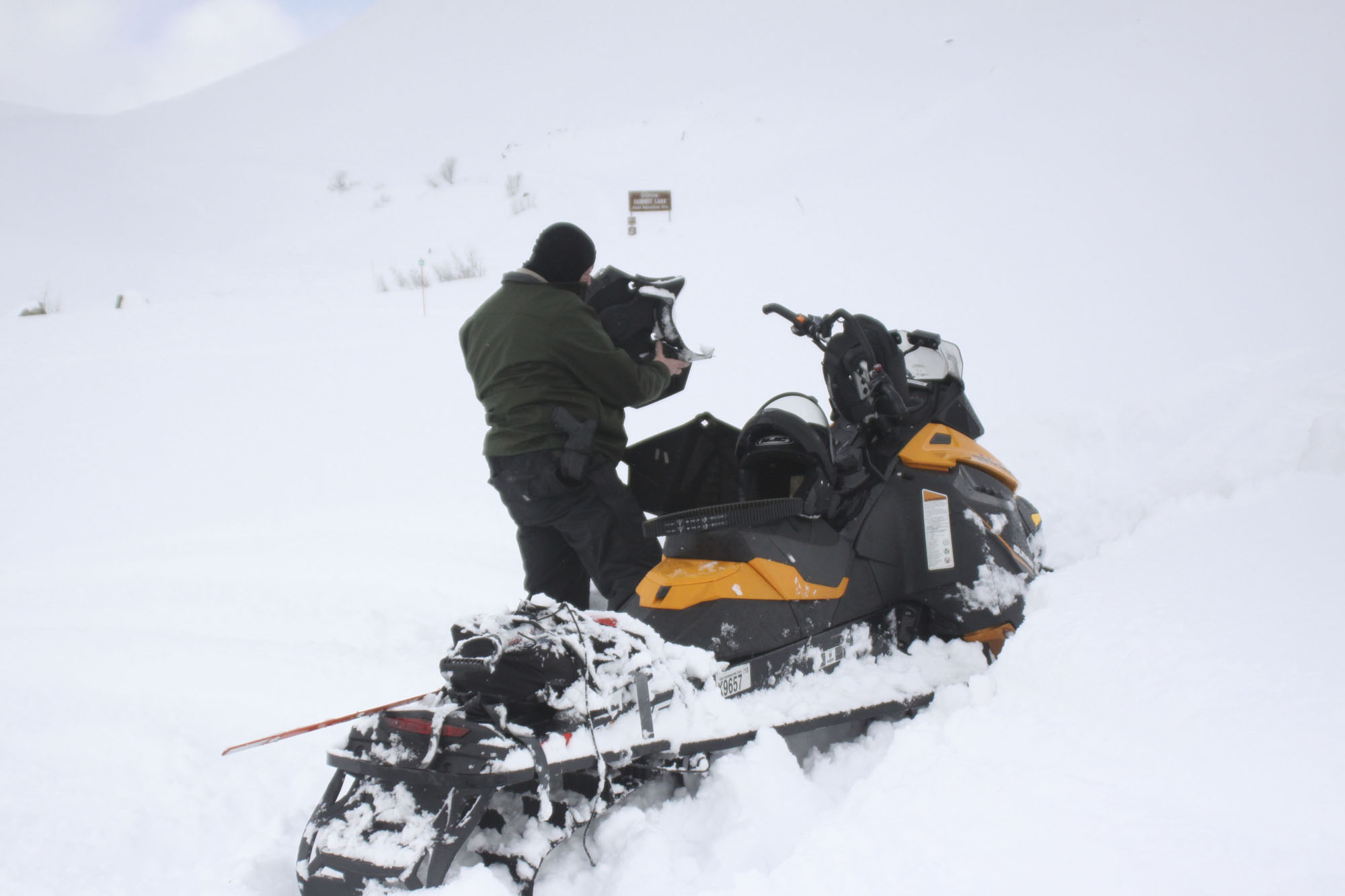
On Thursday he took a snowmachine out to survey snow depths. Suitable testing sites have a particular set of traits. He doesn’t want vegetation — bushes and brush can form pockets of air and make snow look deeper than it is. He wants a flat spot — ditches tend to collect snow and are therefore artificially deeper — that hasn’t been packed down by snowmachines or other activity, where snowplows haven’t blown a lot of snow and where there isn’t much wind.
One of the spots he checks is along Willow-Fishhook Road between Summit Lake and Hatcher Pass Lodge.
Hampel looked around at that spot and pointed out hillocks where bare ground was peaking above the snow and spots where it was well above the three-feet mark.
“In my snow report, I’m probably going to put 2 to 40 inches because that’s kind of what we’re seeing right now,” he said.
That’s the backcountry. The parks division has taken some cues from places like Turnagain Pass, currently clad in 40 inches in some areas. The pass is closed to snowmachiners because the access points, where people mount sleds and ride in, have way less snow.
After the Summit Lake measurement, Hampel headed to a spot overlooking the Fishhook parking lot and hit a depth of 24 inches.
Those readings will be combined with information from weather stations in the area, Hampel said. Then a minimum of three people in the parks division will come up with a ruling on whether or not to open the area to snowmachiners, he said.
The amount of snow generally accepted is around 30 inches. However, that’s more of a guideline, Hampel said. There are exceptions that could push that number higher or lower.
For example, 20 inches of ice would do a great job of protecting the land and the vegetation that get torn up by big, high-powered mountain snowmachines. Even 40 inches of fluffy, powdery snow would not offer similar protection.
Hampel said the snow he encountered Thursday was “pretty decent” — it was 40 degrees out and the snow was sticky, though he couldn’t say for sure if the pass would open based on his measures.
He also addressed the citations given to Turner and the other riders, saying that the offenses were low-level, but these particular tickets were high-profile. He said he’s given trespass orders to dozens of people and it never made headlines. A number of factors will decide if the orders would be lifted, he said.
Dean Nelson is part of a group — Lin Turner is the president — called Hatcher Pass Snow Riders. Nelson also has been out measuring snow all week and says he’s finding depths of 38 inches, 40 inches.
He was one of many riders to express frustration and what they see as an area managed for skiers and to the exclusion of motorized users. For example, skiers have access to free parking lots but snowmachiners are confined to the paid lots. And skiers don’t have to wait for 30 or more inches of snow to accumulate.
But skiers see it differently. A pair of them stopped to help Hampel change a belt on his machine. Unsolicited, Thomas Bailly of Anchorage thanked Hampel for the tickets the division gave to Turner and company.
“I’m grateful that those guys got ticketed because they’ve been deliberately breaking the law,” he said.
He recounted instances of snowmachiners blasting past him on a hill he was about to ski, yelling at him, swearing. He said they leave oilcans and old parts at recreational cabins in the area. He’ll show up to the Snowbird Hut — which the American Alpine Club pays to use — and find it packed. He said he knows those people are the minority and he doesn’t oppose snowmachines, just bad behavior.
Riders stress the point Bailly made about bad actors being a minority. Multiple people at Saturday’s protest said a group shouldn’t be excluded based on the actions of a few of its worst members.
And riders do plenty of good. Frank Kincaid, who was at Saturday’s protest, said he’s been riding in the area since he was 6 years old. He said he takes a group of kids to the park every summer to clean up all the parking lots.
Another protester, Annette Johnson, said it’s ridiculous that in a place the size of Hatcher Pass there isn’t room for both user groups.
“There’s no reason that more than one group can’t use this area,” she said.
Contact Andrew Wellner at 352-2270 or andrew.wellner@frontiersman.com.

By Jeremiah Bartz Frontiersman.com A football coach using a hockey reference as the centerpiece for his keynote address may

Frontiersman.com With its headquarters in Wasilla, the Frontiersman has been a primary source of news for the Matanuska-Susitna

By Katie Stavick Frontiersman.com The next generation of leaders took flight this week as the Houston High School Class

By Kyle Wilkinson For the Frontiersman Keynote speaker and Carry the Cure President Bill Pagaran’s words boomed through the