Retiring teacher, coach urges Colony grads to ‘find their 68’
By Jeremiah Bartz Frontiersman.com A football coach using a hockey reference as the centerpiece for his keynote address may


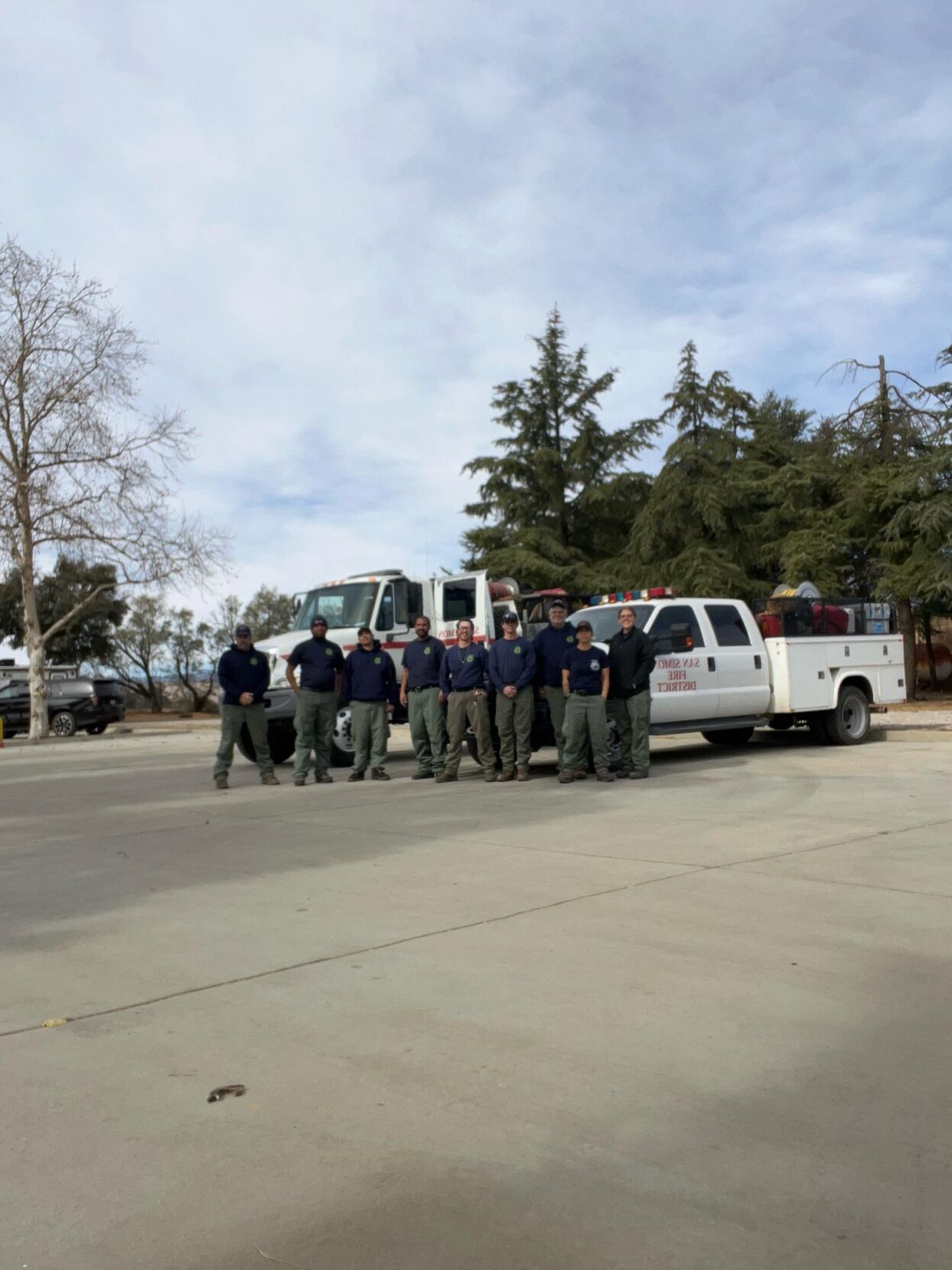
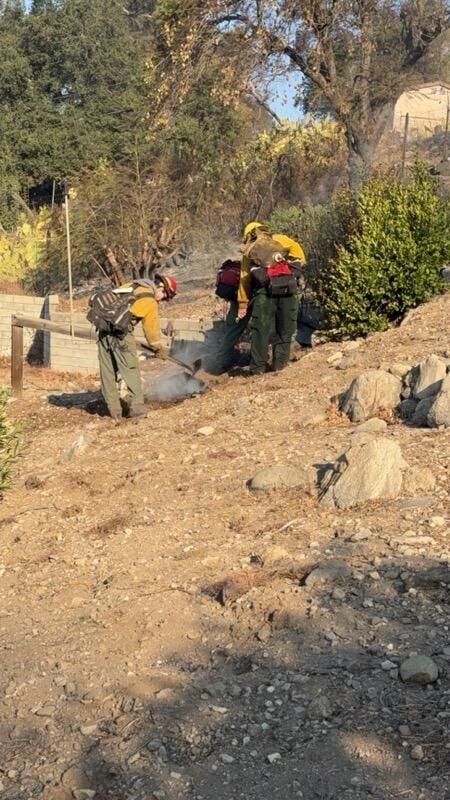
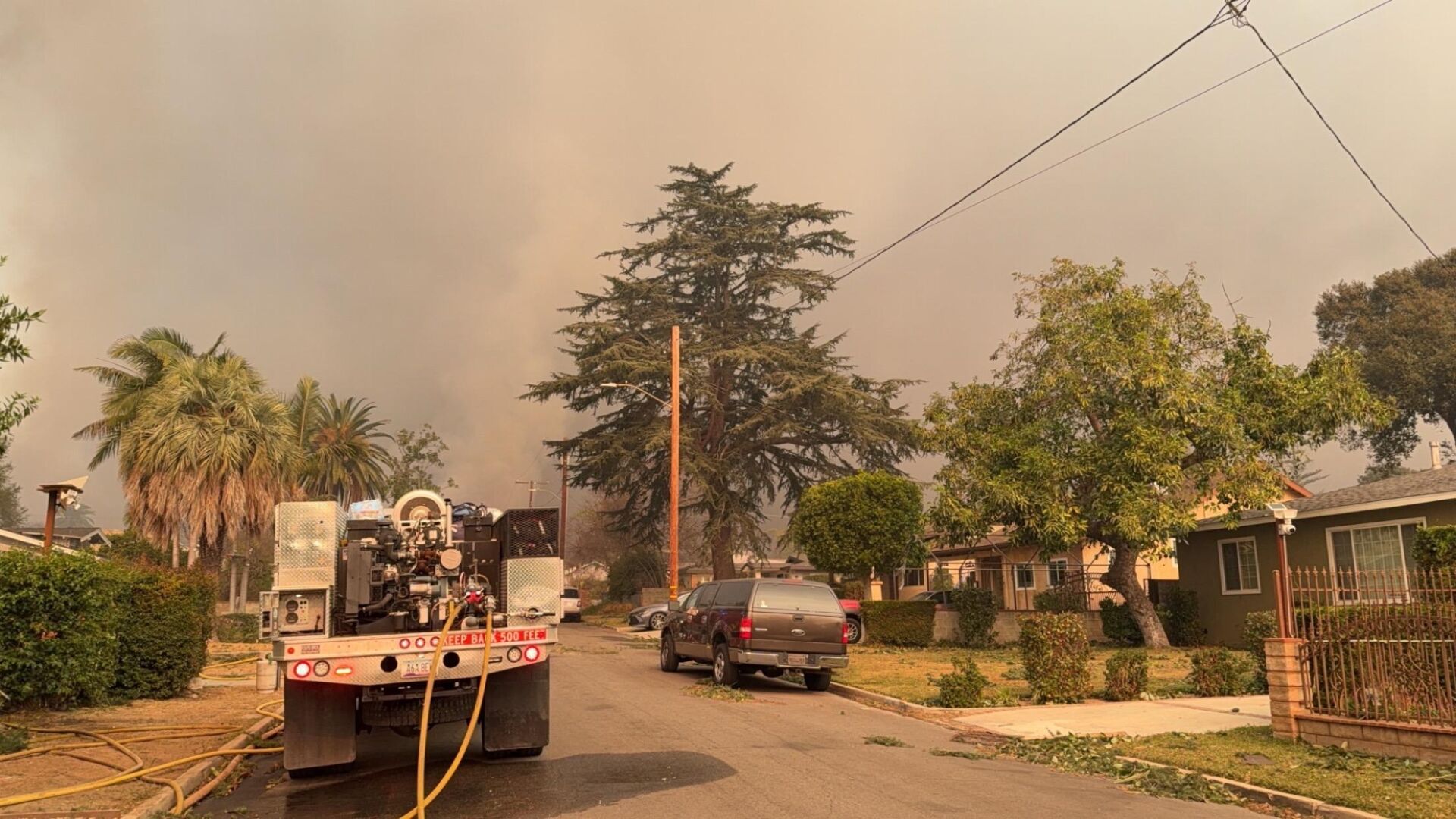
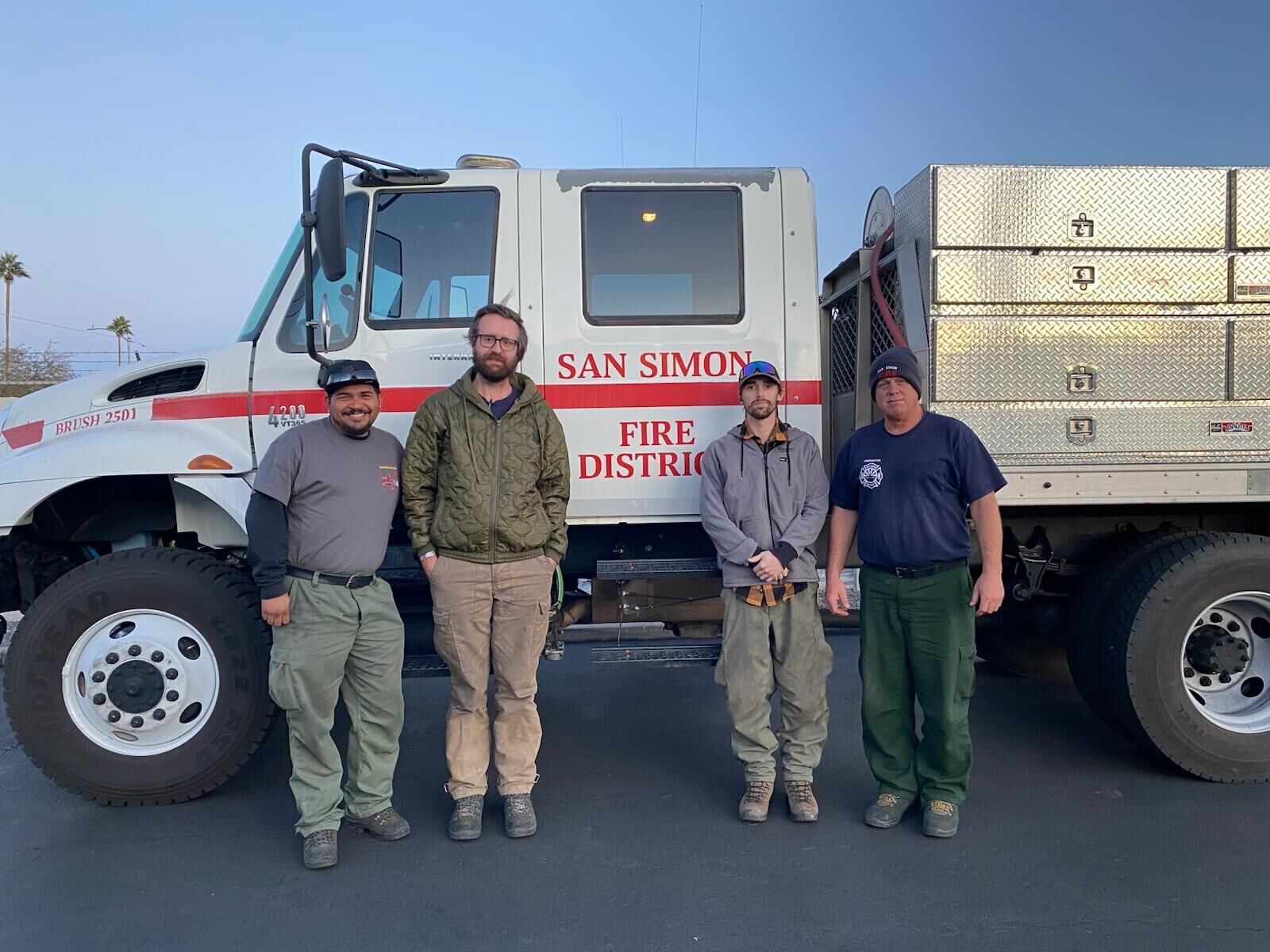
SAN SIMON — Earlier this week, crews from San Simon Fire District returned from their third deployment to California this month. Most recently assisting in firefighting efforts for the Hughes Fire near Santa Clarita, California, the agency’s wildland firefighting crews have returned home after heavy rainfall finally suppressed the numerous wildfires burning in the region.
Fire Chief John Novak explained the district’s involvement in these efforts, noting how their engines and crews were mobilized to help contain the fires and what goes into interstate firefighting assistance.
The efforts began this month when San Simon sent its Type 3 wildland fire suppression engine to Ramona, California.
"So the first time the Type 3 went out on the Eaton Fire right at its beginning," Novak said. "And it had initially been sent over to Ramona, California, just for pre-positioning of resources. And then the Eaton Fire started we went over up to that."
San Simon's Type 6 engine was later deployed east of the Palisades, California area for pre-positioning but did not engage in direct firefighting. Two days after deploying to the Los Angeles area, the first crew returned. And just a few days later, they went back to California, this time taking on the Hughes Fire and engaging in firefighting efforts.
These wildland firefighting efforts, Novak said, are not only physically demanding but also emotionally challenging.
"It’s been a very humbling experience for (the crews)," Novak said. "The wildland firefighters, they’ve experienced the level of devastation… You know, that does take an emotional toll on my firefighters. Because another human being has just lost their house."
Despite the devastation, crews found moments of hope.
"We were able to save several houses, along with our counterparts," Novak said. "My crews are saying that they had homeowners coming up, crying and hugging them and just like not letting go, because they were just so emotional, so grateful, that they saved their houses."
How Agencies Deploy Out of State
San Simon Fire District’s participation in out-of-state wildfire response is part of a structured agreement with firefighting agencies in the state and region working through the Arizona Department of Forestry and Fire Management.
"So we've got our resources listed on there,” Novak explained. “And so what we do is we have a wildfire group for Cochise County, and the Arizona State Forestry Dispatch will call that wildfire group and say, ‘Hey, we need X resources to go to California.’"
Crews from San Simon and other Arizona districts rotate through a list to ensure fair deployment opportunities. Type 3 engines are in short supply in Cochise County, with only Whetstone Fire District, Palominas, and Fry Fire District having these types of engines. Some smaller districts may have trouble sparing crews, so agencies that are able to assist can see frequent out-of-state wildfire deployments.
“A lot of times, by the time we get back from a two-week deployment, we're back on the top again,” said Novak.
These cooperative agreements extend beyond California, covering multiple Western states.
"We can end up in California, we can end up in Oregon… Idaho," Novak said. "And it depends on the relationships and the contracts that the state of Arizona has with the other states."
Novak explained the training and structure of the agency’s wildland firefighting crews. San Simon firefighters, he noted, receive extensive training to prepare for wildland firefighting through the National Wildfire Coordinating Group, or NWCG.
"We have different levels. We have Firefighter One, Firefighter Two. We have Engine Boss, and they all require different levels of training and experience," he said.
Crews must pass an annual work capacity test and participate in refresher courses.
"One of the things we have to do is a work capacity test, which is a 45-pound weighted vest, and you have to walk three miles within 45 minutes," Novak explained. "And so we do an annual refresher. We’re getting ready to do that on February 8."
Firefighters also practice using fire shelters, essential survival tools in extreme conditions.
"It’s a little silver baked potato-looking thing that you crawl into if you're trapped in a wildland fire and you're gonna get burned over,” Novak said. “Every year, we have to practice throwing those just to make sure you get into it in a timely manner."
For now, with heavy rains and mountain snow helping suppress fires, there are no immediate plans for additional deployments of San Simon Fire District.
During downtime, the department focuses on equipment maintenance.
"We’re getting replacement tires for our Type Three," Novak said. "We get oil changes done, we do service on the pump, service on the tools, sharpen hand tools, make sure that everything we used, you know, over this last month, there's nothing that’s damaged or needs to be replaced or anything."
But with the risk of fire, in California and back home, always present, San Simon Fire District is looking to expand its team.
"We are always looking to add more firefighters,” Novak said.
Interested applicants can contact the Fire District by calling (520) 845-2439 or visiting www.sansimonfiredistrict.com.

Bruce Whetten bruce.whetten@myheraldreview.com BISBEE − Bisbee High School’s girls basketball team allowed a 10-point third quarter

Staff Reports SIERRA VISTA – Cochise Community College has announced the launch of the Ann Marie Stephens Viticulture Program, a groundbreaking

Wendy Couch (Ethelwyn Ann Couch Sprenger), long-time Palmer resident, passed at age 93 on November 22, 2024. She was

October 4, 1947 - February 16, 2025 Palmer resident, Lynnette Stouff, 77, passed peacefully with her husband Rich by her side