Retiring teacher, coach urges Colony grads to ‘find their 68’
By Jeremiah Bartz Frontiersman.com A football coach using a hockey reference as the centerpiece for his keynote address may


Introduction by Maddie Reid, a PHS senior returning from an exchange in Denmark
Palmer High School has been a leader in the Mat-Su Valley, making global connections for many years. The Home of The Moose has been recognized as an international high school for its International Baccalaureate program and has been known to participate in annual group exchanges with Palmer’s sister city, Saroma, Japan. But lately, the Moose have stepped it up a notch. When walking the halls one may notice some peculiar languages being spoken; this is because Palmer High currently has a total of seven exchange students attending classes this year, along with the traditional Saroma exchange group.
Palmer is hosting students from Vietnam, South Africa, Denmark, Japan, Belgium and has two returning exchange students who studied abroad in Indonesia and Denmark in 2016-17. The student body has recently been taking a special interest in foreign cultures, creating an international club and welcoming the new students with enthusiasm and hospitality. Continue reading to hear exclusively from the foreign exchange students themselves about how their experience in Palmer’s small-town culture has been affecting them.
Interviewed by Aleayah Hunter and Kearney Fletcher, PHS seniors
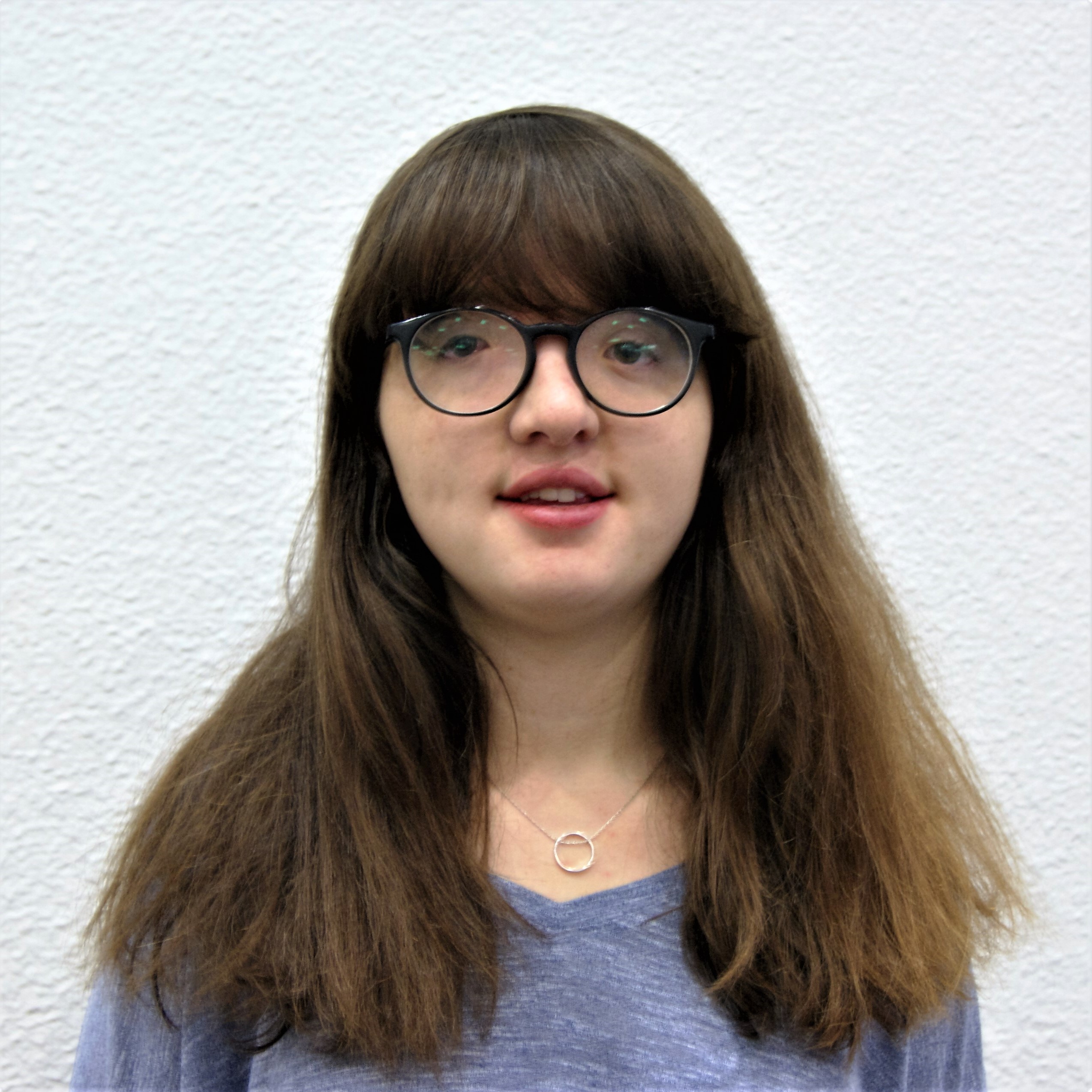
“Why did you decide on being an exchange student?” The big question was asked to Tasha from South Africa.
She responded in a polite tone, “I really wanted to travel while I still had the chance, I never thought I would be able to travel but I wanted to help while doing it and I was in a rough part of my life so I decided exchange was a good change for me.”
“Where did you hear about Alaska?”
“They gave us a list of the countries and I went through them and thought, “I am going to do this. I am going to the farthest and most different place I can possibly go.” And I chose Alaska. Besides that, she had never seen snow!
“Did you do any research?”
Tasha smiled and said, “No I kind of just went on a whim.”
Tasha is able to speak fluent English thanks to her grandmother and school. We asked what would be hard for American students if they moved to her country, Tasha stated, “Most people have the misconception of thinking South Africa is English when in reality South Africa has eleven official languages so there are many types of cultures and languages to experience.
She also said, “In school, I think we have very strict rules. We have uniforms, and they have to be precise. And you are not allowed to wear makeup and your nails are not allowed to be long or painted. Your hair has to be tied up like no loose ends or anything, so everything has to be like perfect.”
Tasha has discovered many things she thinks are weird in America, such as hot pockets. She thinks they are so gross and so is canned cheese. At first, there were things that seemed the same as in South Africa, but if she looked closely they were different. A small example is the water levels in the toilets seem excessively high. On the way to her exchange family’s house, something did not feel right, something was bothering Tasha, but she could not place it. Halfway through the drive she noticed that the car was on the right side of the road instead of the left.
Another interesting thing about South Africa is the TV shows. Most of them are drama and telenovela shows full of drama and tension. She enjoys shows more like the Simpsons or Stranger Things.
When Tasha arrived in Alaska, she saw a lot of patriotism shown throughout America she had never seen trucks or buildings with so many flags on them; she doesn't ever see that in her country.
We started to ask Tasha about her first impressions of America by asking her what was the first thing she smelled. She looked puzzled said, “Freedom!” we laughed then she then said uncertainly, “It just smells like air.”
Because her exchange started last winter, Tasha is in an unusual situation. She will be returning to South Africa in December. While she has enjoyed her time in Alaska, she is excited to go home to see the people she loves, enjoy the South African food, and hear other people speak her language.
Written by PHS junior Anna Miller
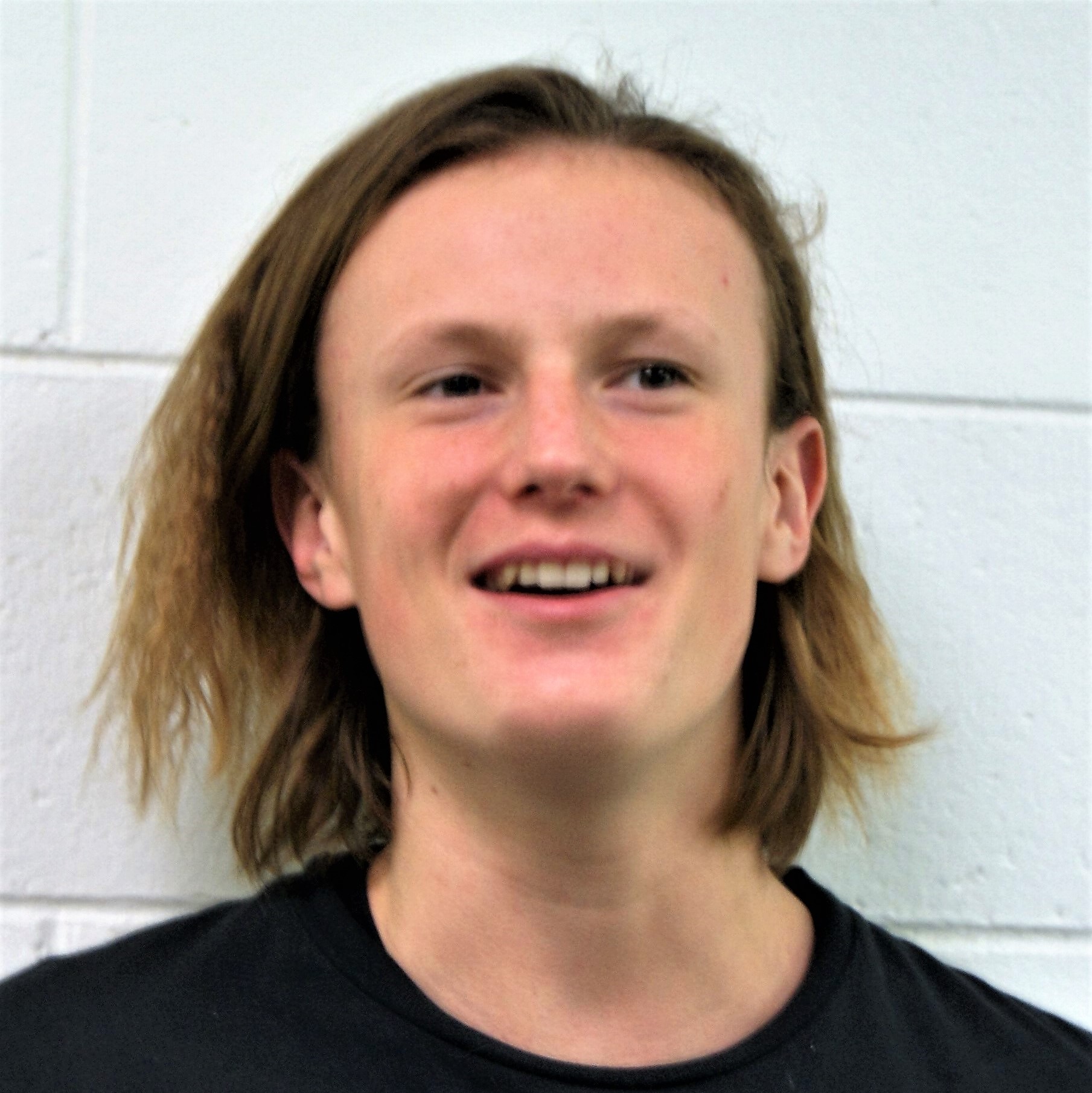
How would you make the decision to live in a foreign country with strangers for a year? For August Gravesen, a sixteen-year-old from Horsens, Denmark the choice rode on the back of the fact that many of his friends had completed the program ASSE (American Scandinavian Student Exchange). Gravesen wanted to experience a new culture and see the world himself. He packed his bags and chose the United States as his country. When the time came around to hear his final placement, he was nonetheless shocked to hear Alaska. He had no idea where or what Alaska was so he hit the interweb and came up with a conclusion: Alaska does not look appealing on google maps.
Once arriving in the state, he was pleasantly surprised to see the mountains and exquisite landscapes surrounding him. August has enjoyed being able to see a brown bear and large moose. One goal he has is to visit a shooting range before departing.
Back home he has graduated and completed three years of English. Being in Alaska has improved his English immensely and although he has finished Danish schooling, he is still focusing on his grades here while also having fun. August spends his free time with his host family and meeting his host brothers’ friends.
The biggest culture shock August faced when coming to Alaska was the school spirit and passion found inside the halls and outside on the field of Palmer High School.
August is excited to remain here until the end of the school year. Even so, he is looking forward to going back to his home in Denmark and seeing familiar faces and customs, but most of all his computer and room. Palmer High is proud to house a vast number of foreign exchange students and to provide a home away from home for young adults like August Gravesen.
Written by Tasha du Toit—on exchange from South Africa
Lea Blanchez is a ray of sunshine filled with witty comments and always sassy attitude. Known for her signature leather jackets and rocking mom jeans. An ambassador Belgium should be proud of. I recently sat down with Lea in a very noisy library during lunchtime to find out why she decided to leave the wonderful land of waffles, fries, and chocolate to come to Alaska.
“I wanted to see another part of the world and better my English. I chose America because I wanted to live the American dream,” said Lea.
Coming from a country that has three official languages, not including English, Lea said she was happy to have had four years of English experience prior to coming on exchange.
“It makes it a lot easier and I’m happy I understand. I still speak French (her first language) a lot thanks to the great French classes but I would say my English is not bad.”
I asked Lea what was most surprising to her when she first arrived, and she said, “When I arrived the weather was nice and it wasn’t snowing and cold like I expected it to be. It was very nice and beautiful. I love the mountains and trees and land around me.”
School, without a doubt, is the biggest part of any exchange. It is where the most time is spent and most friendships and connections are made. Lea commented, “I finished high school in Belgium and when I go back I will fall straight into college. I’m unsure about what I want to study so I hope this ‘gap’ year will give me an idea of what I want to do when I go back.” Although this year’s credits don’t count for her, she still believes it’s a great experience to see how American schools really work.
What does she miss most from home? “The public transport, without a doubt, because here you are dependent on everyone around you and cannot commute on your own.” Lea comes from the major city in Belgium, Brussels. "I completely understand the reason; everything is so far away. In Brussels, I can walk to anywhere I want to go or get on a bus and see it. There is no public transport here and to go anywhere is a very long commute.”
Asked about the difference between Belgian and American clothing, Lea replied, “America makes me feel so good about myself. Here your sizes are bigger so I seem smaller in clothing sizes, it’s so nice”
When traveling, you are sure to come across the stereotypical comments. “Nobody knows anything from my country but they always ask about the waffles and chocolate the things Belgium is known for." Here, she says, most of the food is familiar, but she adds, “In a restaurant, we went to I saw maple bacon ice cream and I thought it was very strange”
“I hope to see the northern lights before I leave. I also want to travel more in Alaska; this state is so beautiful I want to see all I can see of it,” said Lea of her hopes for her stay.
Finally, Lea was asked if she would ever want to live in Alaska.
She paused, and then replied, “I love Alaska and I find it so beautiful but I love the city life. So, no. I would want to come visit, yes. But I wouldn’t be able to live in Alaska.”
Written by Tasha du Toit—on exchange from South Africa
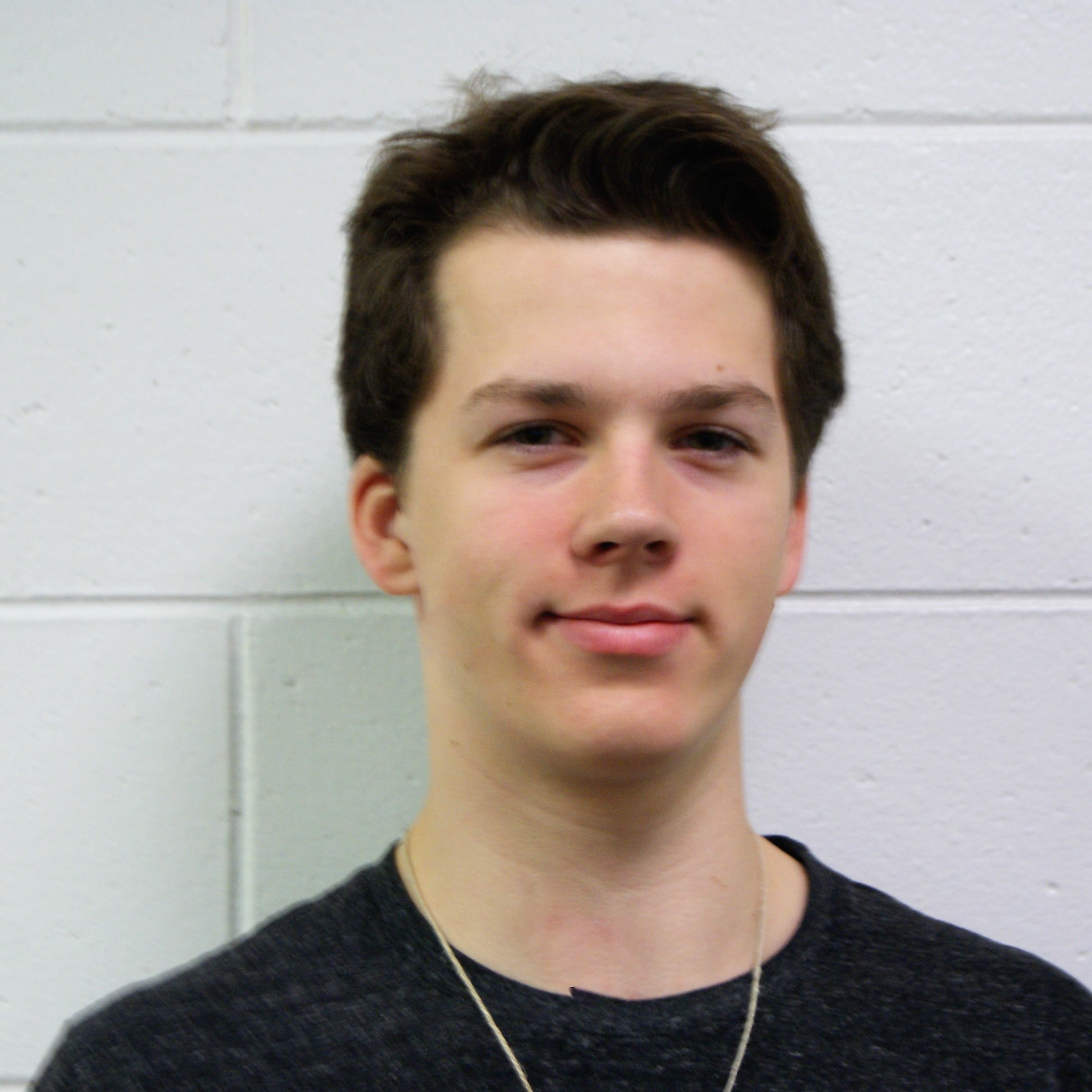
Dylan Duffield, an aviation enthusiast with a good sense of humor and love for adventure.
Dylan went on exchange from Alaska to Indonesia during the 2016-2017 school year. “An experience I will never forget or regret,” says Dylan
I sat down with Dylan and asked him a few questions about his time abroad
“Let’s start with something silly, what was the first thing you smelled when you stepped into the strange country?”
Dylan smiled and answered, “When I arrived in Indonesia the first thing I smelled off the plane was the warmth and humidity.” A statement I think we would all agree with, as the temperature in Indonesia averages 82 degrees.
When talking about food I asked him what the weirdest food encountered.
“The weirdest things I ate while abroad was pork with pig’s blood on it, snake, and turtles.” Huge differences from the food in Alaska! Not only was the everyday food strange, but school lunches were different as well. “During lunch, I went to a food cart and ordered some fried noodles, or fried chicken and rice.”
I asked him what some of the differences were in schools. He replied, “In Indonesia, we had to wear uniforms. Certain days we would have different types of uniforms.”
Now we all know when traveling you get those typical stereotypes of your country ‘Do you ride polar bears to school?’ or ‘Do you live in igloos?’ But when I asked Dylan what the stereotype was of Alaska in Indonesia he said Indonesians thought that Americans were very rich with crazy political views and tremendous patriotism.
“The people were very excited to see a foreigner in their country, the question they would ask is if I liked Indonesia the country and the people of Indonesia.”
Asked about the biggest culture shock, Dylan didn’t hesitate,“The thing that I think irritates me the most is that many people in Indonesia like to ask what my religion is. Personally, I don’t follow or practice a faith but in Indonesia, you are required by law to have one. When I went to Indonesia I was told to not talk about what I believe in and to just pick a faith. I chose to be a Buddhist because my host family and my program followed Buddhism. Religion is a very sketchy subject in Indonesia. When people asked what my religion was I would say Buddhist or not answer at all.”
Dylan also observed, “When I first drove into Medan, the city I was going to live in, I noticed it was really crowded with people, cars, and the people spoke a different language I didn’t understand yet. Coming from a small town in Alaska, this was the biggest culture shock for me. ”
Then he made an observation, "The thing I think is odd is that many people put more than three people on a scooter. After school people would ride two or three friends on one scooter. Later on my exchange, I decided to do the same thing and ride a scooter with my friends.”
Being an exchange student has its obstacles and sometimes things are hard to deal with. The hardest part of exchange can be living with strangers and when asked about his experience with this Dylan said “At first it’s really awkward but after a while you’ll tend to treat the people you live with as your own family. It’s just normal behaviors when you do something out of our comfort zone. “
“I loved my time abroad I made such good memories and friends and sometimes it was hard but in the end, my time abroad will forever be some of the best memories I have. But I’m glad to be home. Alaska is where the home and heart is.”
Written by PHS senior Truth Moody
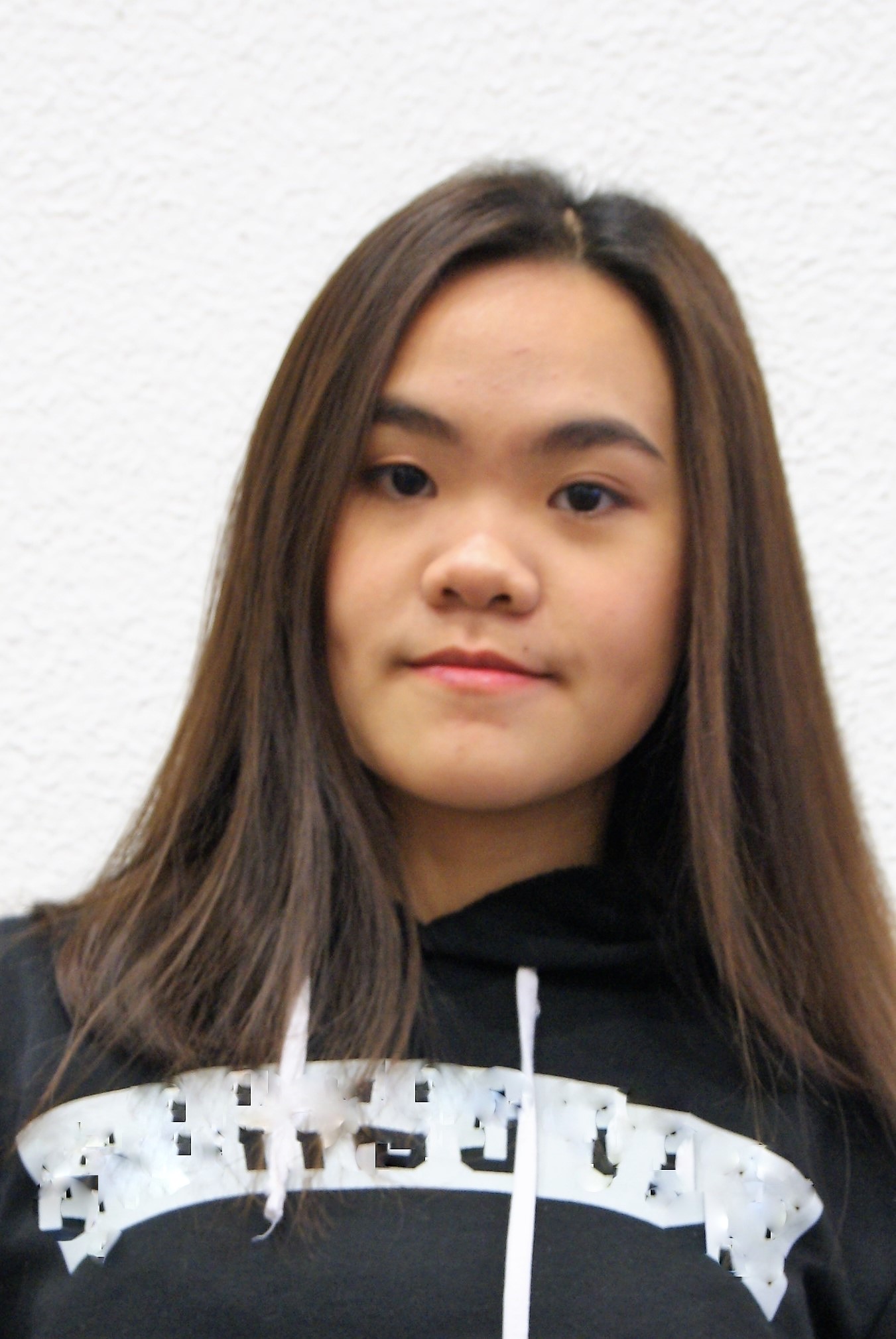
Kim Nguyen was asked the million-dollar question and she knew her answer before the question was even uttered.
“So, why did you decide to join a foreign exchange program and why America?”
“America is awesome! I wanted to travel and America was the most interesting. I love your culture.”
Kim Nguyen is a foreign exchange student from Vietnam with a strong passion for America. She has great enthusiasm, and she would love to visit Hollywood before she goes back to her home country. She actually had hoped that her exchange would take her to California but instead was surprised with Alaska, the complete opposite of Vietnam.
“I was scared for my health. My parents were even more concerned. We all thought I was going to freeze!”
Kim obviously had never seen snow before in Vietnam, where temperatures reach to over 90F year round. “I’ve lived in Vietnam all my life and the temperature can even be too extreme for me,” Kim admitted to a growing fondness for the chill of Alaska.
Not only did the environment shock her, but also the differences in culture baffled her. “Americans are so nice. Here if someone does not know you, they’ll still say hi. In Vietnam, we do not even make eye contact.”
Another observation was about the adventurous side of Alaskan life. “I was surprised by everyone's love for staying active and hiking. It's too crowded and hot in Vietnam to do anything like that.”
“Do you miss anything back home?"
”Nope.” She said confidently. ”Obviously, I miss my friends and parents, but I'm having so much fun.”
Kim is clearly enjoying her time in America, and visits to California and Hawaii are still on her wish list. She shows great determination and confidence about her future travels and can't wait to continue to explore America.
Madison Reid, who wrote the introduction to this series of interviews, is a senior returning from an exchange in Denmark. She has participated in several outreach opportunities since her return, helping to spread the word about the benefits of being an exchange student.
Written by PHS senior Hannah Decker
With her upbeat and outgoing personality shining bright, I asked her a few questions about her experience.
Reid was inspired to go on exchange as soon as she heard about it, eager for change in scenery. Although she didn’t choose her destination, she was excited nonetheless when she discovered that Denmark was her destination.
She started her preparation by taking online courses to learn Danish and felt ready when she left Alaska to go to Denmark. When she arrived, she quickly learned how little she actually knew about the language and the culture itself.
Cultural differences were very obvious. There is no drinking age and is not seen as a big deal. Style is also very defined, mostly black and white with grays. Transportation is mostly by train. Kids do not drive until they’re adults and need to for work.
Her first host family was not a good fit, so things were difficult for the first few months. It wasn’t until she switched host families that she truly felt welcomed.
Maddie quickly made friends in her new school, but people often associated her with her country. While she was there, she was pretty much the face of America to everyone in her school. When the election was going on, she would often have to defend her country even if she didn’t agree with everything going on.
Maddie considers Denmark as a second home and wants to return after high school. She stays in touch with many of her Danish friends and hopes to see them again. Having August Gravesen here as an exchange student at Palmer High from Denmark this year has been a gift. They had not met until he arrived in Alaska, but both have enjoyed having another student at school who speaks Danish.
Shiho Hatanaka is here on an exchange from Japan. She is busy getting ready to represent Palmer High for the State Tennis Tournament. Good luck!
In a school where English is the first language for most students and many have lived in Alaska for the majority of their lives, having classmates from other cultures encourages students to embrace diversity. Many have never talked with someone who is just learning English and students have been quick to explain and help whenever they can. They admire these travelers who are willing to immerse themselves in our community. Watching these students come, learn, and thrive, gives Palmer High Students the idea that world travel is a real possibility for them too.
For further information on how you can get involved with youth exchange, call Jeff Johnson, of the Rotary Club at (907)355-5098 or visit:
www.CIEE.com
www.ASSE.com
www.icesusa.com

By Jeremiah Bartz Frontiersman.com A football coach using a hockey reference as the centerpiece for his keynote address may

By Katie Stavick Frontiersman.com The next generation of leaders took flight this week as the Houston High School Class

By Kyle Wilkinson For the Frontiersman Keynote speaker and Carry the Cure President Bill Pagaran’s words boomed through the

By Jeremiah Bartz Frontiersman.com The community of Palmer is known for a couple of things. At or near the