Retiring teacher, coach urges Colony grads to ‘find their 68’
By Jeremiah Bartz Frontiersman.com A football coach using a hockey reference as the centerpiece for his keynote address may


GOOSE BAY — For a numbers of years, the wildlife refuge along the Knik Arm resembled a war zone, officials said.
Joe Meehan, the Lands and Refuges Program Coordinator for the Alaska Department of Fish and Game, even knows which war.
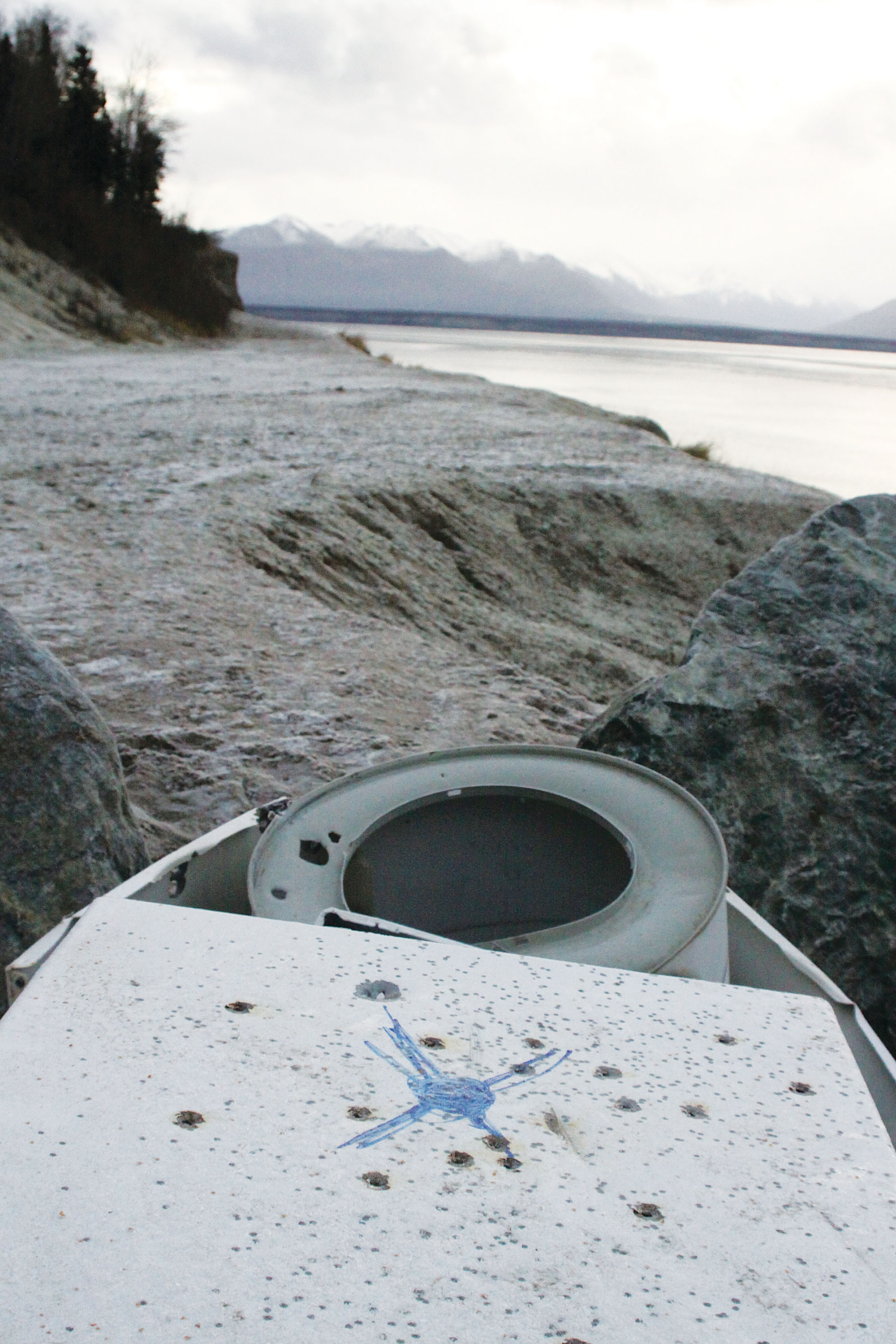
“I used to call it Baghdad,” he said. “There were buildings that were pockmarked, burned-out and shot-up vehicles, bullet cases all over the place, construction garbage.”
In some cases, explosives or gunfire had cut through walls a foot thick.
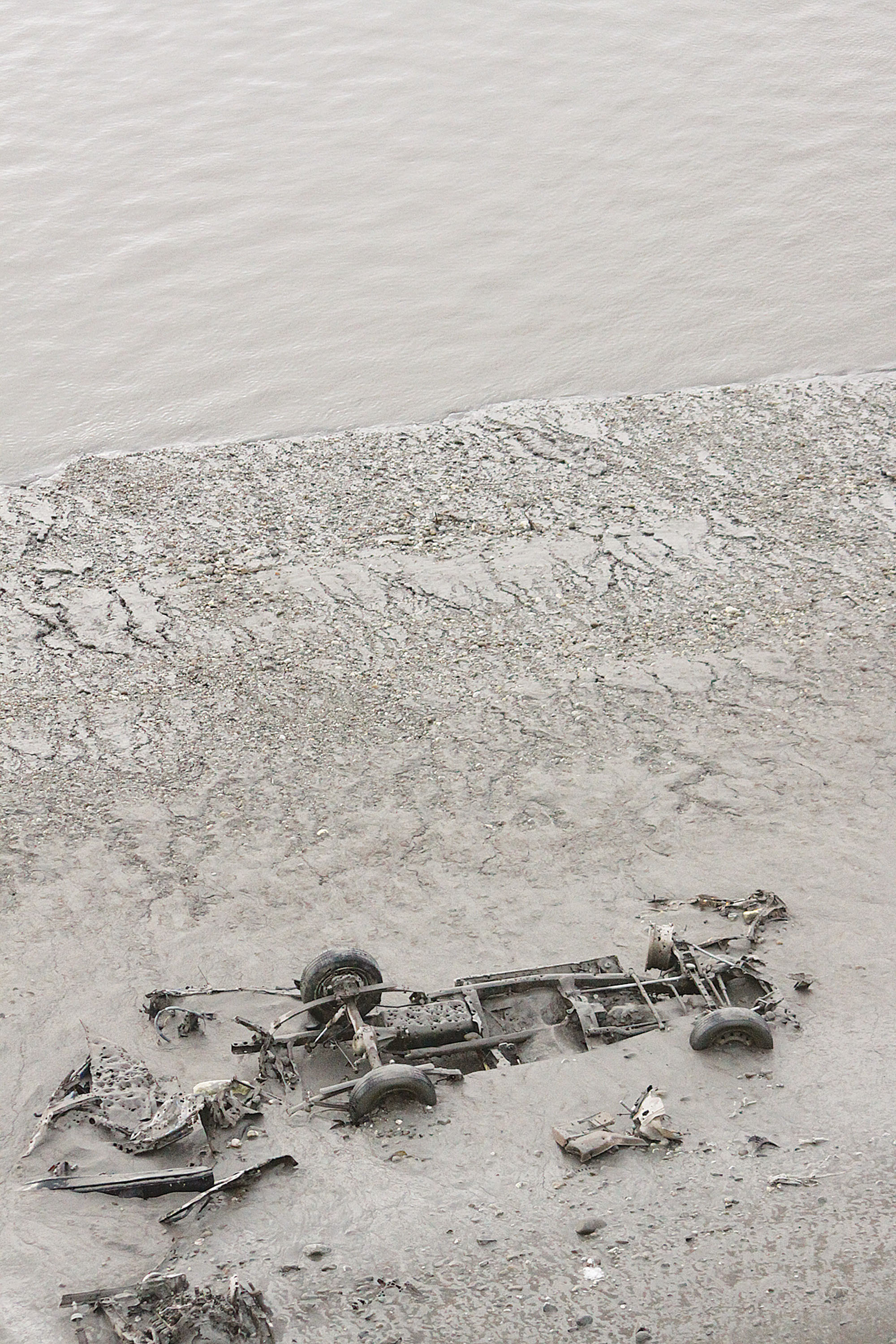
The 11,045-acre Goose Bay Wildlife Refuge exudes history. It was part of the Knik Tribe’s homeland for generations. During the Kennedy Administration, it was home to one of a trio of Nike Missile launch pads designed to shoot down Anchorage-bound Soviet Union bombers. In the 1970s, it was the site of a prison, distinct from today’s Goose Creek Correctional Facility, located along nearby Port MacKenzie Road. For a period of time more recently, it had the dubious distinction of being a great place to recover the wreckage of a stolen car, Meehan said.
Since the early 2000’s, Fish and Game officials have worked to remove discarded construction debris and bulldoze vehicles. The refuge — which provides a rest stop for migratory birds, and is thus favored by birdwatchers, hikers, hunters, and fishermen — was on the mend, officials said.
The cleanup effort wasn’t easy. It required closing of a portion of public lands to ATV use, for example, which started a bit of an arms race between state managers and people accustomed to working their will on public lands, recalled local refuge manager Doug Hill.
“We put up a gate and they blew through that,” he said. “We plugged up a lot of the tunnels, we put boulders and bigger boulders. People got back there anyway.”
State officials have even received help from the National Guard, which sent about 100 new recruits into the reserve in 2011 to help remove debris. They hauled out about 80 vehicles, removed about 100 tons of debris and more than 200 appliances.
The legacy of unsafe environmental practices lingers to this day. When Meehan came across children frolicking in the summer dust, eating apples as part of the Knik Tribal Council’s summer spirit camp, he was alarmed rather than amused. Parts of the refuge remains heavily saturated with lead from years past. While lead shot has been banned, older ammunition and foreign-manufactured ammunition sometimes still makes its way into the refuge.
“When I saw that, I said ‘this is a problem,’” he said. “There’s nothing legally we have to do, but responsibly, we need to take care of the problem.”
So they arranged to bury the dust under about 18 inches of gravel. While that has solved the problem for now, edges of the bluff facing Knik Arm are eroding, which remains a cause for concern, Meehan said.
The effort was more-or-less done. Then the roofing materials showed up.
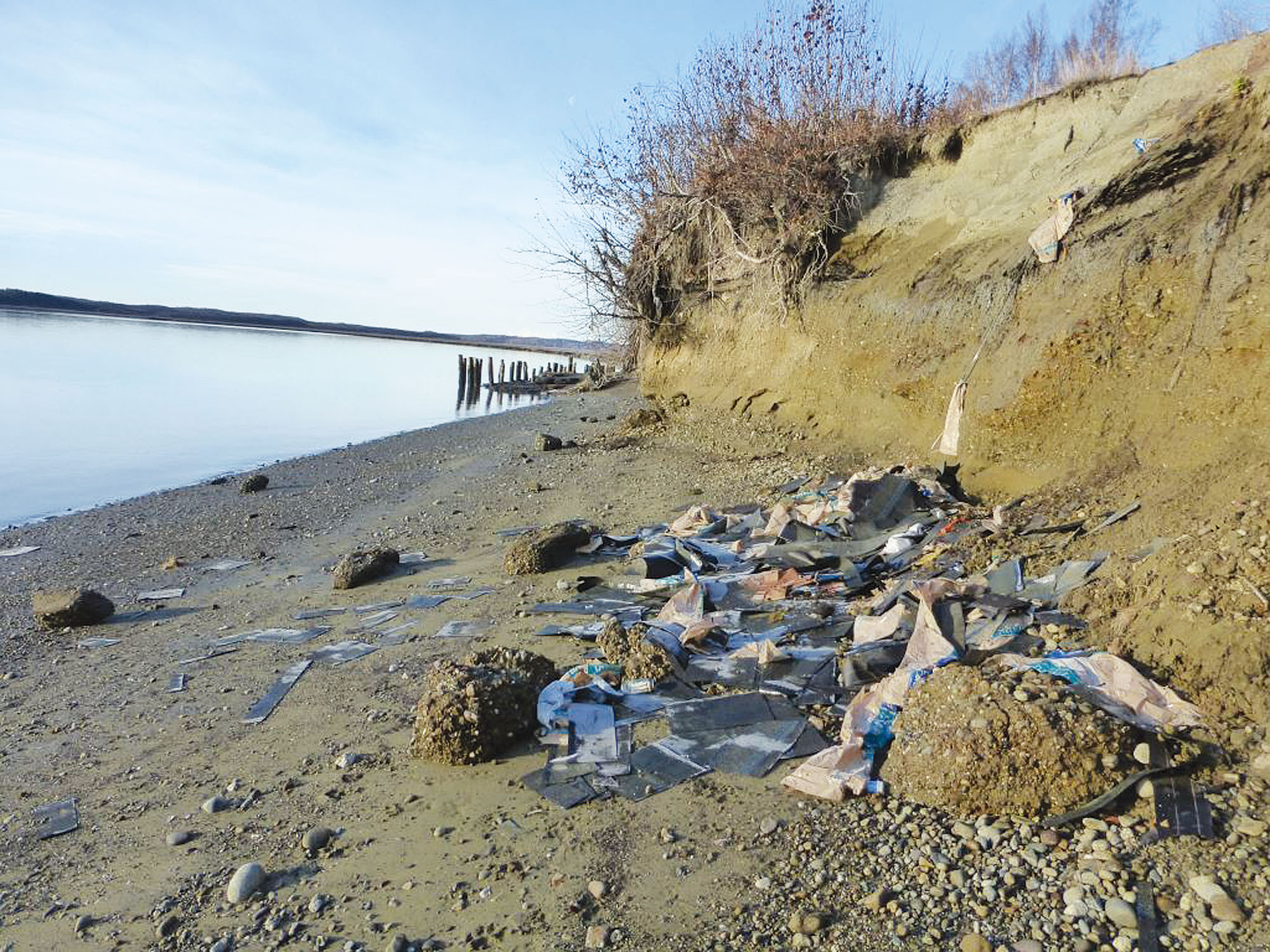
Scofflaws dumped almost 1,200 pounds of roofing materials near the Knik Arm portion of the refuge in early November. A portion of the dumped materials — some of which were wrapped in plastic, a potential asphyxiation hazard for the water fowl the refuge is designed to protect — slumped over one side of the bluff overlooking the inlet, feet from the water. Then last week, a smaller pile of shingles was dumped directly over the edge of the bluff.
For Hill, it was heartbreaking.
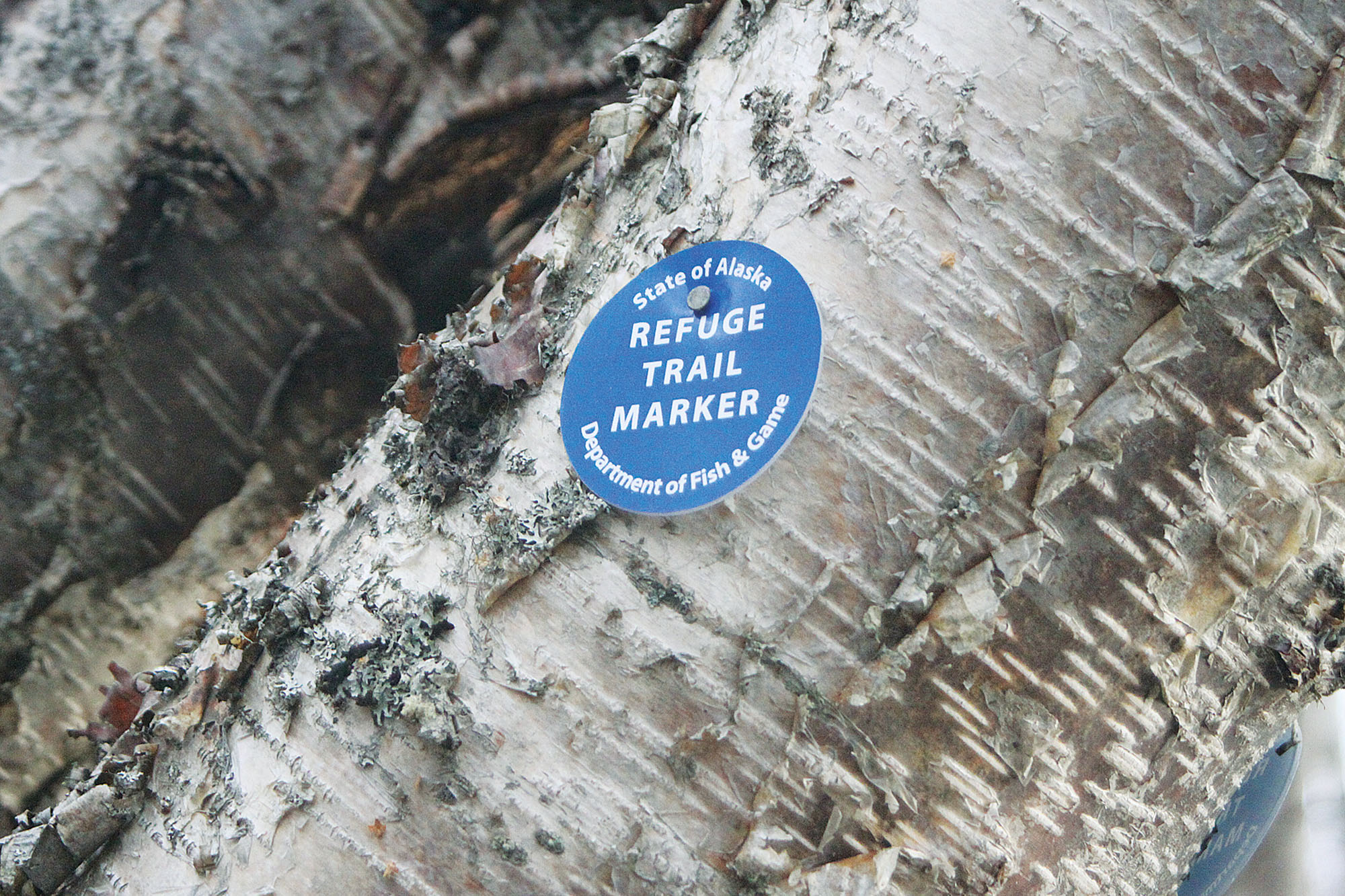
“I looked at the pictures, and I’m trying not to go prematurely gray,” he said. “It’s pretty discouraging. We put a couple signs up and people blasted ‘em already.”
To calm himself, Hill took a trip down to Reflections Lake along the Glenn Highway, a relative success story among local state-managed lands.
“People used to call that the Rambo Rest Stop,” he said.
However, efforts by local land managers have helped improve conditions there, and local residents have been grateful ever since, Hill said. Officials admit Goose Bay’s trials and tribulations result in part from successes elsewhere, like the Palmer Hay Flats and Rabbit Slough. As those areas improve, bad actors move on and may have taken their bad habits to Goose Bay. Problems still remain at the other sites, Hill said.
“Every Monday in Rabbit Slough, it was like cleaning up after some Las Vegas bachelor party,” he said.
One day, Hill removed between 15 and 20 pounds of nails with a magnet from Rabbit Slough. He’s seen and removed piles of the melted remains of PlaySkool plastic toys, ashes from campfires and bottles and cans.
They’re not opposed to responsible target shooting or rifle shooting, provided bullets and spent cartridges are collected, and legitimate targets are used, he said.
Hill and Meehan can’t be everywhere at once. However, they hope to flood the refuge with enough legitimate users that illegal users can’t find uninterrupted time to dump illegally there.
“Hopefully we’ll corral them into doing the right thing,” Meehan said.
Contact Brian O’Connor at 352-2269 or brian.oconnor@frontiersman.com.

By Jeremiah Bartz Frontiersman.com A football coach using a hockey reference as the centerpiece for his keynote address may

Frontiersman.com With its headquarters in Wasilla, the Frontiersman has been a primary source of news for the Matanuska-Susitna

By Katie Stavick Frontiersman.com The next generation of leaders took flight this week as the Houston High School Class

By Kyle Wilkinson For the Frontiersman Keynote speaker and Carry the Cure President Bill Pagaran’s words boomed through the