Retiring teacher, coach urges Colony grads to ‘find their 68’
By Jeremiah Bartz Frontiersman.com A football coach using a hockey reference as the centerpiece for his keynote address may


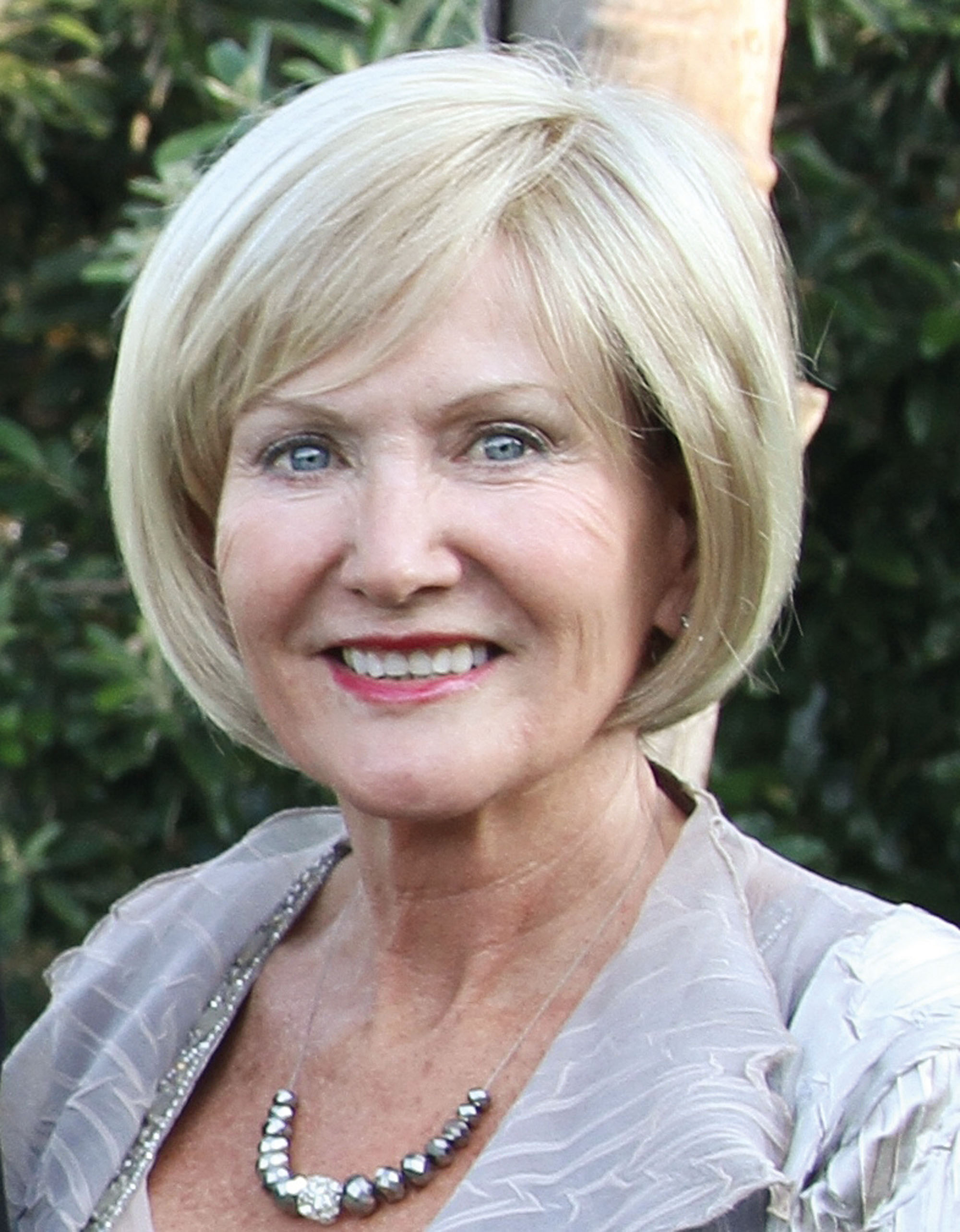
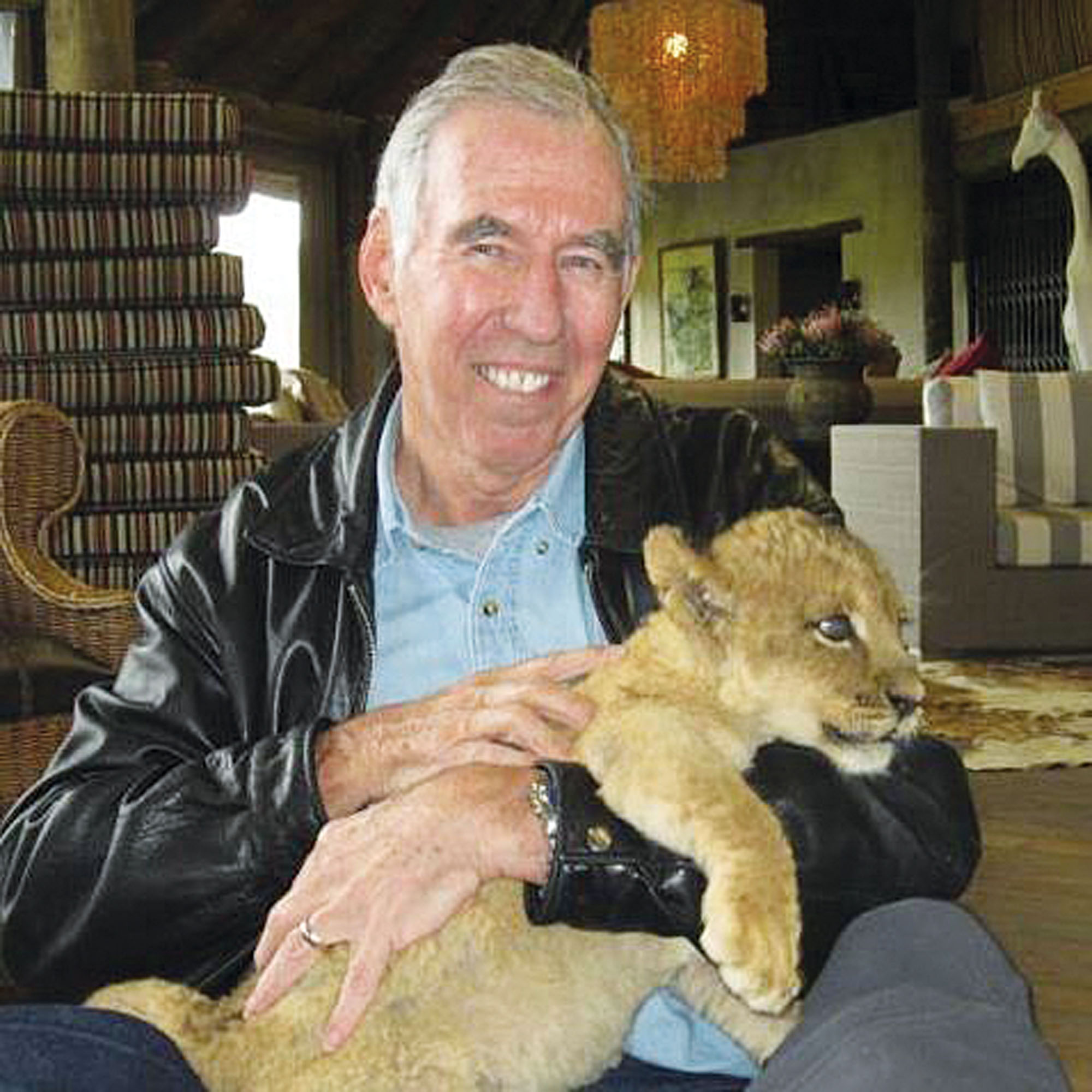
PALMER — Thirty years after their reunion and 18 since they moved to Anchorage, South African parents John and Jean Wight finally have their story of love, hope, despair and determination bound in a published book.
Told by John, written by Jean and edited by her daughter-in-law Janelle, “The Stolen Years: The True Story of a Pilot’s Seven Year Layover in a Madagascar Prison” has been a work-in-progress for their family since John returned home from Madagascar in 1984. It wasn’t until the last five years or so, however, that the book started to become a reality.
“The idea was always to write a book it just never happened (until now),” John said in an interview.
And since Jean is “the English major” and “the psychologist,” he said, she was the one to craft the story into a 247-page volume detailing the true horrors and surprises of imprisonment in a foreign country, and what it’s like for those back home.
As the story goes, what started as a something like a favor from John — then a pilot for South African Airways — for a rich, American diamond dealer headed to Mauritius quickly escalated into a storm-driven emergency landing in a Cessna 402 twin-engine airplane on the island nation of Madagascar.
Once there, John and his companions, Dave Marais and the businessman, Eddie Lappeman, failed to properly communicate their simple need for fuel to the Madagascans who quickly surrounded them, as none of the three spoke French or Malagasy, the official languages of Madagascar.
As a result, military men whisked them away to an interrogation room, and things went downhill from there.
The men were first accused of flying over Madagascar, landing without permission and not having visas. Then they were accused of espionage, as the officials did not believe there had been any storm, despite the obvious evidence. Still, when Marais handed his interrogator $500 on that first day, they all figured “that was that.”
“Hope sprung up in me — after all this was Africa,” Jean wrote, in John’s voice. “There is nothing in Africa that money can’t buy and in this case I felt hopeful it would buy us our freedom.”
That was in January 1977. The men remained imprisoned and generally confused as to what was going on for more than a year, until their trial and sentencing on March 20, 1978.
They were then sentenced to five more years in prison.
By that time, John had managed to teach himself French — by translating the first 20 pages of a French edition of Fyodor Dostoevsky’s “Crime and Punishment” with his French-English dictionary, a point not mentioned in the book — and was able to represent himself in court using the language, but neither that, nor his spoon-pressed suit impressed the judges.
The South African media outlets, however, were perhaps too impressed. Less than two weeks after John landed in Madagascar with Marais and Lappeman, Sunday Times journalist Kit Katzin broke the news of their capture to all of South Africa, labeling their flight a “suicide mission,” among other untrue things.
“(There was) not even a trace of truth,” John said in the interview. “Unbelievable garbage.”
Jean agreed that the story was exaggerated.
“Apparently as long as you just put in the word ‘alleged’, you’re OK,” she said.
“I was like, ‘this is me? You’ve got to be kidding,’” John said.
That’s not to say John wasn’t essentially starved and tortured during his seven years in Madagascar. He went without food for a few days many times, for example, and the food was very unclean in some of the places he was jailed. He spent some time in solitary confinement, some time getting beat up by the guards, some time with his arms and legs chained to the floor.
There was usually a “reason” for it, however.
“Every time there was a political event, we were the center of it,” John said.
But being blamed for potential conspiracies they knew nothing about was probably not the most unpleasant of all their experiences. Marais and John spent a lot of time in close quarters with unhygienic prisoners, which led to serious illness at least once.
John well remembered the conditions at Manjakandriana, in central Madagascar.
“For two years when I was there, apart from myself and the other political prisoners, none of the guys ever took a shower or washed even their face, ever,” he said.
Manjakandriana wasn’t the worst — or the best — however. Jean said John changed prisons at least five times, and one of those was just in a jungle island village where residents mostly left him alone. At another, John had another prisoner cook for him and at another, he was able to leave and buy food from a nearby hotel.
“The variety of the places he stayed is a point,” Jean said. “It’s quite interesting how different (the conditions) could be.”
But it was at Ambohibao where John had to make what could be considered a decision of life or death.
“There came a point where, in your mind, you can either go crazy now or you can stay sane,” he said. “I always believed it was a physical choice, it was a conscious choice, because it’s easy to just let your mind go.”
“So yes,” he said, “I decided to stay sane. Though I don’t know whether it worked.”
Although John laughs about it now, staying sane was a very real issue in Madagascar. Marais, he said, grew distant and a little odd, went grey more quickly while in prison, and took a bit longer to readjust to normal life than John. Lappeman went bald, and after his release, John never heard from him ever again.
For John, sanity was kept through communication, and hope.
“If you had to really come down to it, the worst thing that could happen was the lack of communication,” John said. “I did everything to communicate with Jean — through bribery, corruption, whatever it took to be able to communicate — and the communication was extremely difficult and extremely slow. That was probably the most stressful thing.”
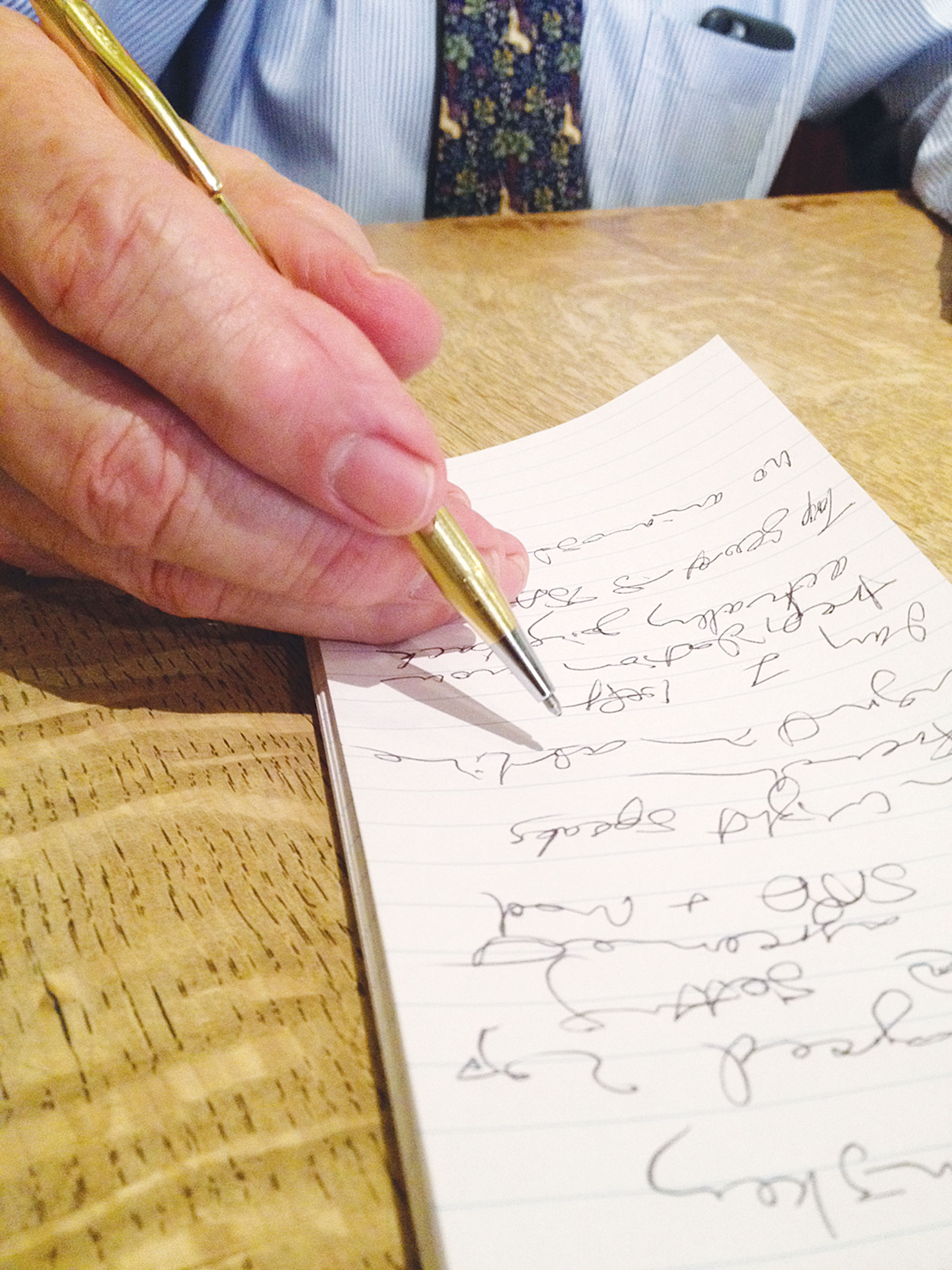
And they did maintain communication throughout those seven years, but when it was scarce, one had to improvise. For John, it was planning an escape, listening to the radio, looking at pictures of Jean he had smuggled in, a gold pen, a birthday watch, exercising.
“If you haven’t got something to hang onto, you’re gonna just die,” John said. “There’s always something, to the point where, if there’s nothing there, you make your own (hope).”
As for fear — aside from his concern for Jean while she worked around the clock to keep their house in South Africa and tried not to think what might be happening to her husband in Madagascar — John had none. Not even fear of dying.
The unknown was a different story.
“You settle down in a prison, you get used to it and this is now life, and then they come with a bunch of paratroopers, Navy SEALS, pick you up and move you,” he said. “Now you don’t know where you’re going — are you gonna be executed, are you gonna — you have no idea, and all these things go through your head.”
And it was like that until the very end. They were never really sure they had escaped Madagascar until the men reunited with their wives in Mauritius on Jan. 7, 1984.
For 12 years John and Jean stayed in South Africa and raised two boys — John even returned to Madagascar on amicable terms to train their pilots in 1986 — but after Jean was forced to shoot a man for breaking and entering her home while John was away, they decided the crime rate was too high. John accepted a new contract with Korean Air and found the most “extreme” location on their network to which he had never been to base his family: Anchorage, Alaska.
“It was only going to be for two years,” Jean said. “We never meant to stay but then we kind of fell in love with the place.”
John and Jean now live on Campbell Lake, and their sons have also married and made their home in Anchorage.
Fireside Books in Palmer will host the elder Wights for a book signing tomorrow, Dec. 13, at 3 p.m. during Colony Christmas.
Contact Caitlin Skvorc at 352-2266 or caitlin.skvorc@frontiersman.com.


By Barbara Hunt Palmer Buzz It was 6:43 on Friday morning and the Plant Owner was sound asleep when

By Kyle Wilkinson Frontiersman Memorial Day Weekend was filled with a variety of events in Willow. From live music to

By Kyle Wilkinson For the Frontiersman The Susitna Valley Emergency Preparedness Fair will be held at the Willow Community Center

Frontiersman.com Multi-platinum, Grammy-winning artist Amy Grant will perform at the 2026 Alaska State Fair on Monday, August