Retiring teacher, coach urges Colony grads to ‘find their 68’
By Jeremiah Bartz Frontiersman.com A football coach using a hockey reference as the centerpiece for his keynote address may


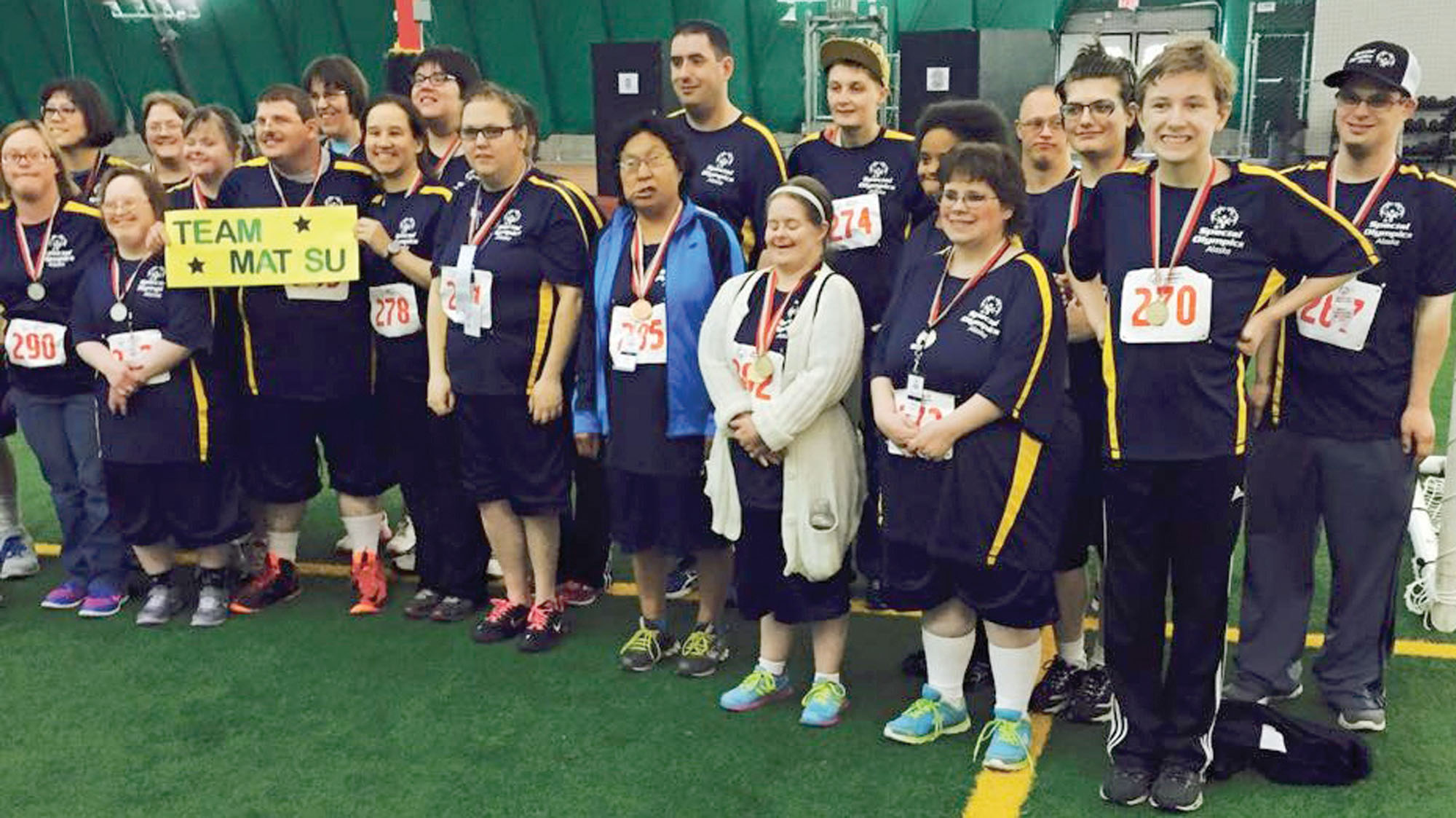
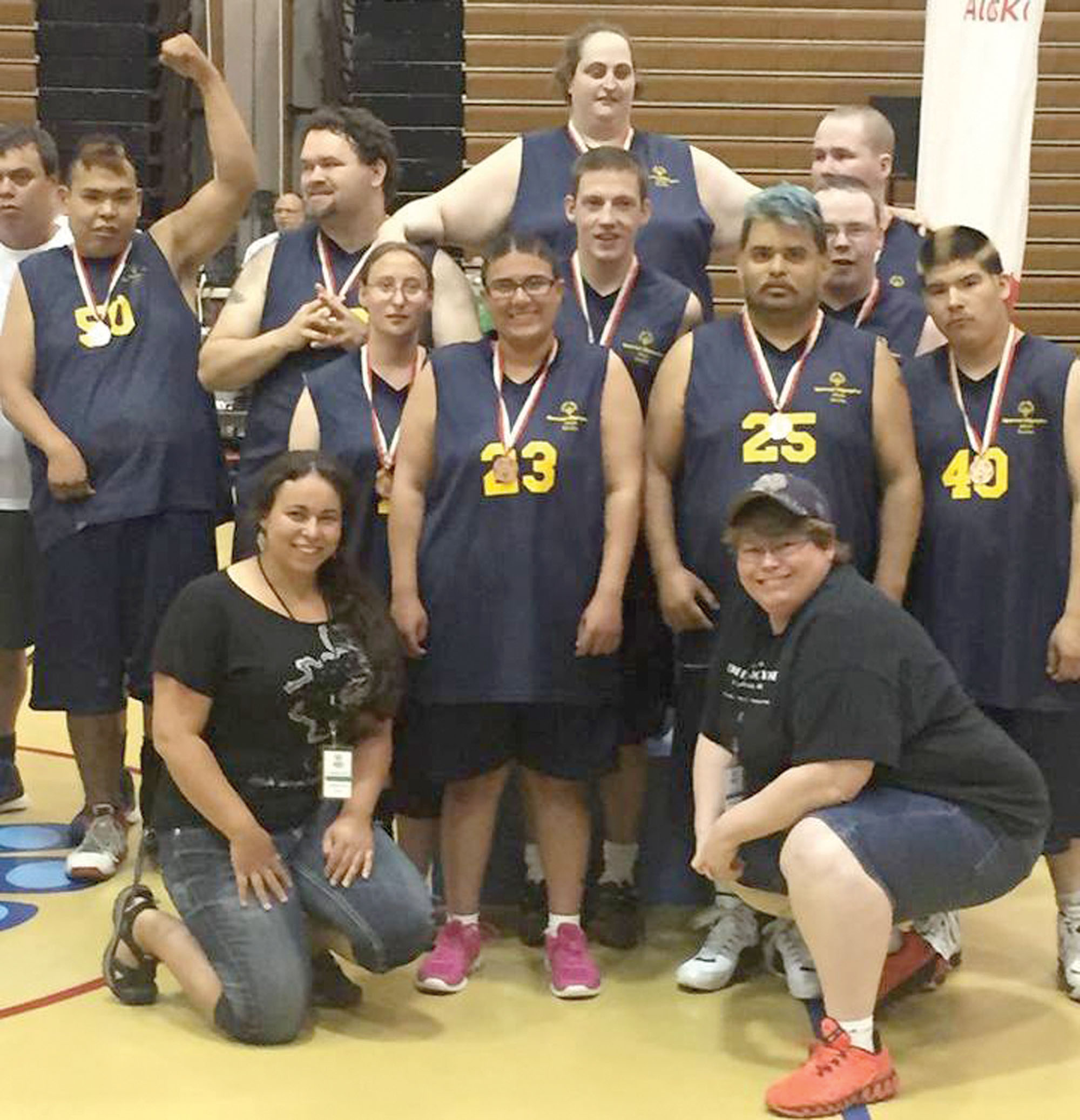
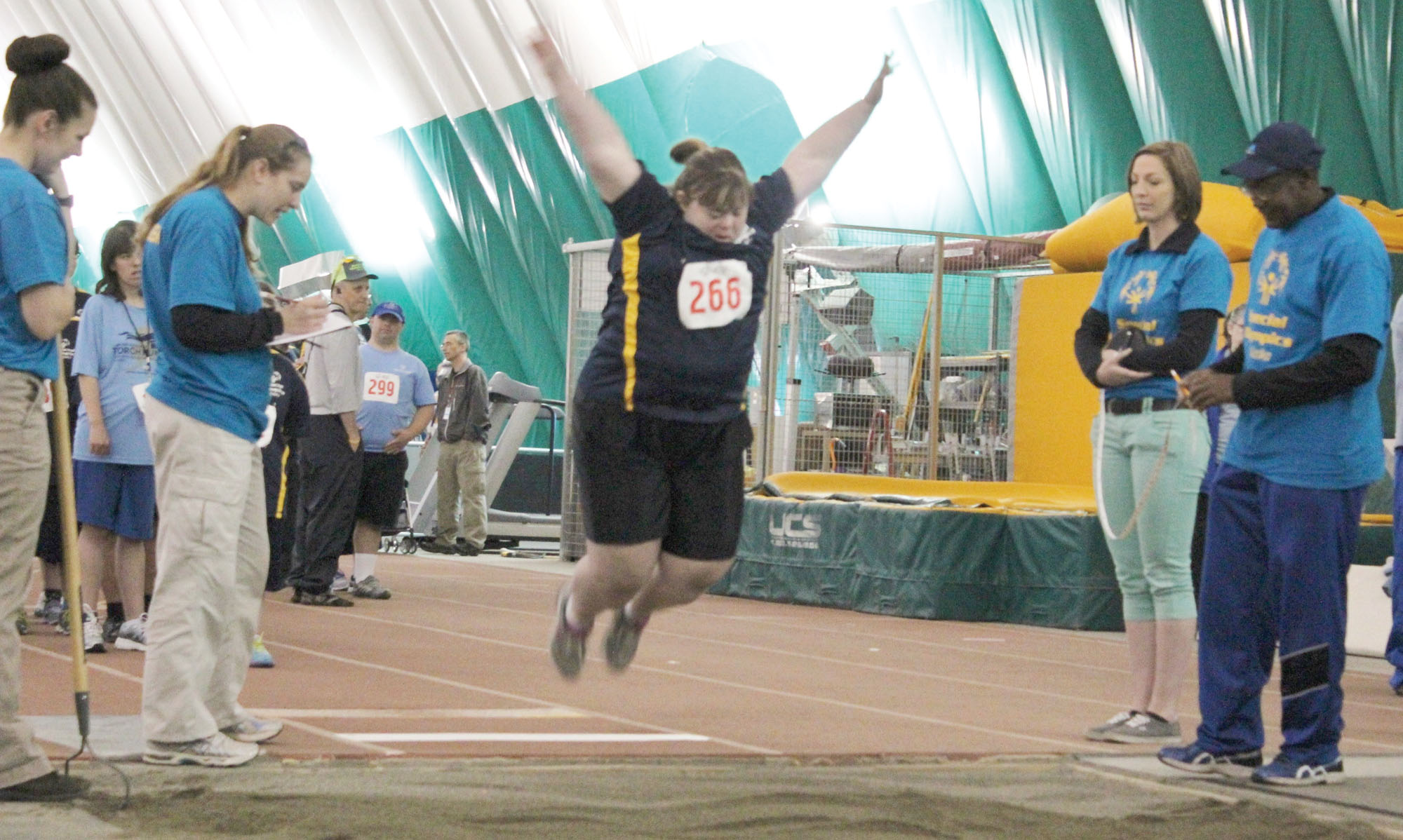
MAT-SU — After weeks of practice and drill, including a local competition to determine who won the right to represent Mat-Su at state, Special Olympics Alaska Mat-Su headed to Anchorage Friday for state games.
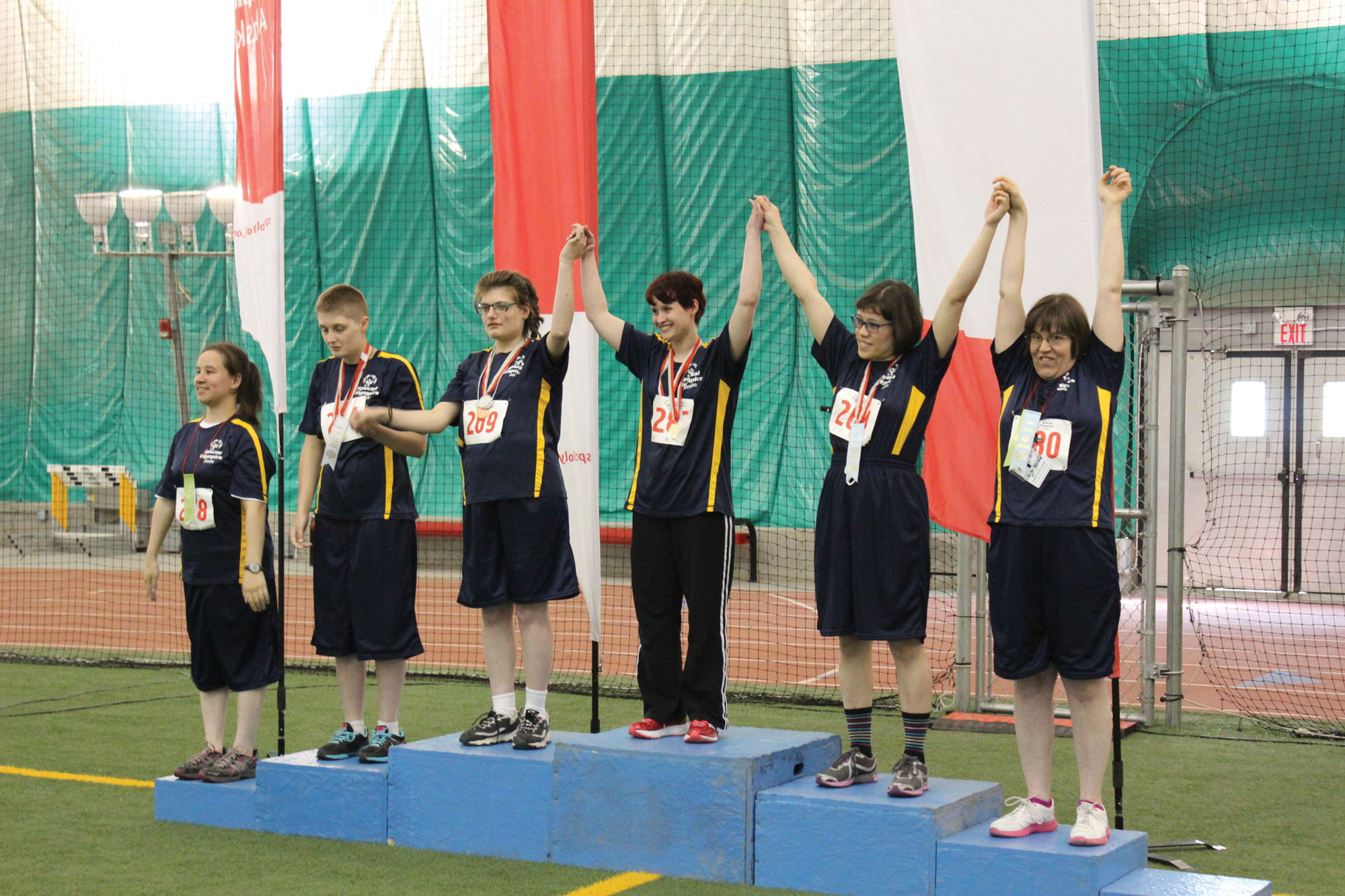
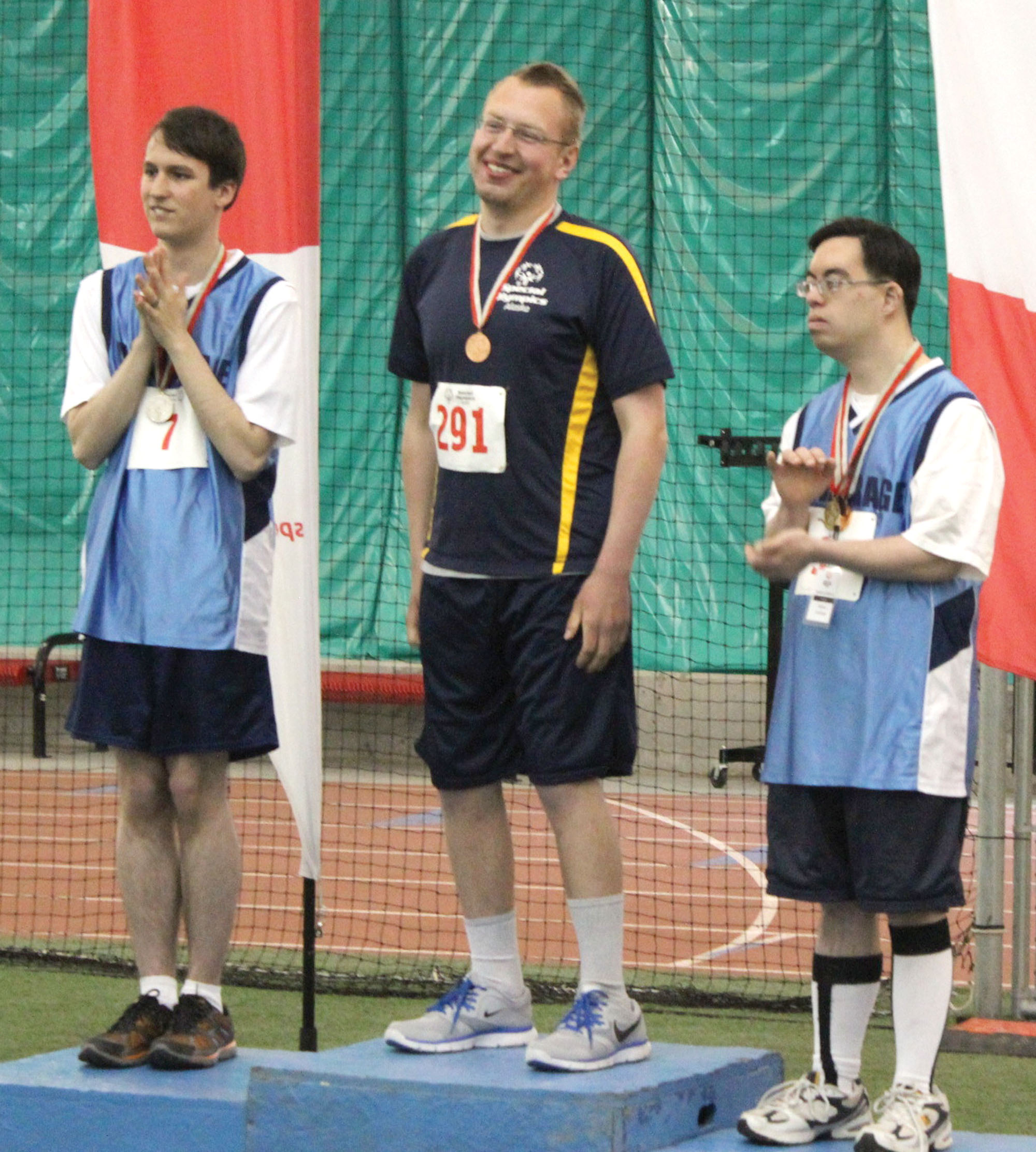
After an exhaustive weekend of track and field, swimming, and basketball competition, the Mat-Su team returned home Sunday evening bearing the weight of countless gold, silver, and bronze individual and team medals, sporting a mass of ribbons, and plastered with smiles.
It’s easy to add up the medals and ribbons to quantify success in simple number terms. But the SOAK Mat-Su Program always delivers far more than winners’ trophies. Started in the late 1970s, and except for a few bumps in the road in recent years, the Mat-Su Program has grown steadily to become one of the state’s largest delegations. Last Friday, Mat-Su required two regular-sized school buses to trek the Mat-Su teams to Anchorage.
As in all sports, the values of leadership, commitment, perseverance, determination, and camaraderie are taught through hard work and fair play. These represent valuable life skills for anyone to learn and practice, but especially important for those who have other obstacles to overcome. Still, coaches, families, friends, and care providers know what Special Olympics does for athletes (and volunteers) goes far beyond the gargantuan coordination of meaningful sports competition.
Becky Baker, volunteer for the Mat-Su program since her daughter Ashley, now 20, was 8 years old, talked about the joy Ashley gets from the different sports seasons and scheduled practices and competitions.
“But it’s more than seeing friends,” Becky Baker said. “It helps growth in life. They learn tolerance; you’re not always going to win. But not winning is ok if you do your best.”
Ask any parent. Ask a coach. Ask an athlete. They will all tell you that it’s all fun. They love the sport. It’s healthy. It keeps them active. Every athlete interviewed answered, in some way or another, that social interaction is absolutely a key benefit of Special Olympics.
Like Robbie Morrow, a 31-year-old from Wasilla, who began in the Mat-Su program when he was in junior high.
“I get to be with my friends,” Morrow said. “And meet new people too. I also like to learn the new sports, like floor hockey.”
Morrow’s mom, Sheryl related.
“It’s awesome to watch how they develop and change year by year,” Sheryl Morrow said. “Such character building!”
Sheryl Morrow talked about the importance for social opportunity and peer interaction, perhaps lacking in the Valley for young adults in general, and for people with special needs even more so.
“Special Olympics, it can be the one time they really get to shine,” Morrow said.
A local volunteer management team coordinates Mat-Su program sports training, fundraising, communications, and competitions. Many of the participating athletes for Mat-Su are young adults. Correspondingly, many of the volunteers, including coaches and partners, are parents of those same adult athletes. In recent years the Mat-Su Program seeks to recruit coaches and volunteers with experience in the various sports. The Valley program always needs coaches, assistants and team managers, partners and volunteers. The program is limited by funds, access to facilities and volunteers. It grows stronger with community support.
Another Special O focus in recent years includes the unified program, where teams consist of athletes (with disabilities) and partners (who do not experience a disability). The move of course is for inclusion and integration. The addition of unified teams means that the Valley needs more partner athletes in order to send teams to state games. Mat-Su hosts partner teams in basketball, floor hockey, and golf. As is often the case, when we volunteer for worthy organizations, with all intent to do good for someone else, we usually find the experience rewards us in ways unimagined. Nowhere is this truer than with Special Olympics.
Throughout the training and right up to the last competition, volunteers witness such success, camaraderie, and perseverance through diversity, that it does in fact give better perspective in our own lives. Dawn Lyle, SOAK volunteer for 15 years says she has the, “gratification to watch (the athletes) achieve what they can do, because initially, they don’t always have much confidence. Then they find out they can do anything. It just makes me feel good!”
To become a part of SOAK Mat-Su email matsu@specialolympics.org or call (907) 631-8591.

By Kyle Wilkinson Kyle in the outside Our spring bear hunt was bittersweet this year. We’re heading home without

Frontiersman.com Valley athletes earned titles during the Region III Championships track and field meet last week at Colony High

Leila Petersen Palmer Moose Leila Petersen, a member of the Palmer track and field team, has been named a Frontiersman

By Jeremiah Bartz J’s World August would have been the start of my 25th year as an editor at