Retiring teacher, coach urges Colony grads to ‘find their 68’
By Jeremiah Bartz Frontiersman.com A football coach using a hockey reference as the centerpiece for his keynote address may


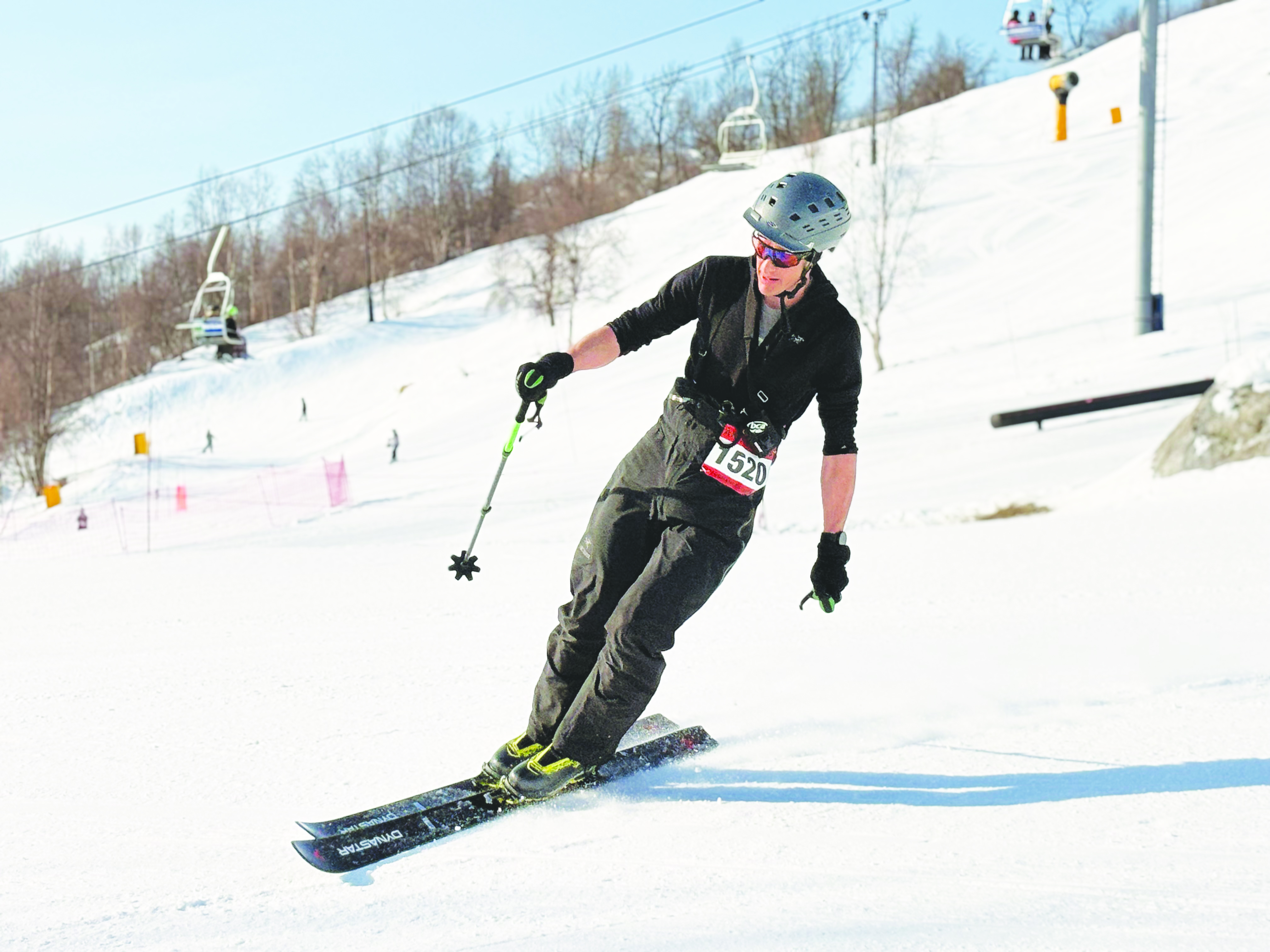
While many skiers look to the chairlift to reach the top, a growing contingent at Skeetawk in Hatcher Pass is looking to their own endurance. The growing non-profit ski area is quickly becoming a beacon for backcountry ski mountaineering—or "skimo"—allowing skiers to train on steep, challenging terrain before or after the lifts start running.
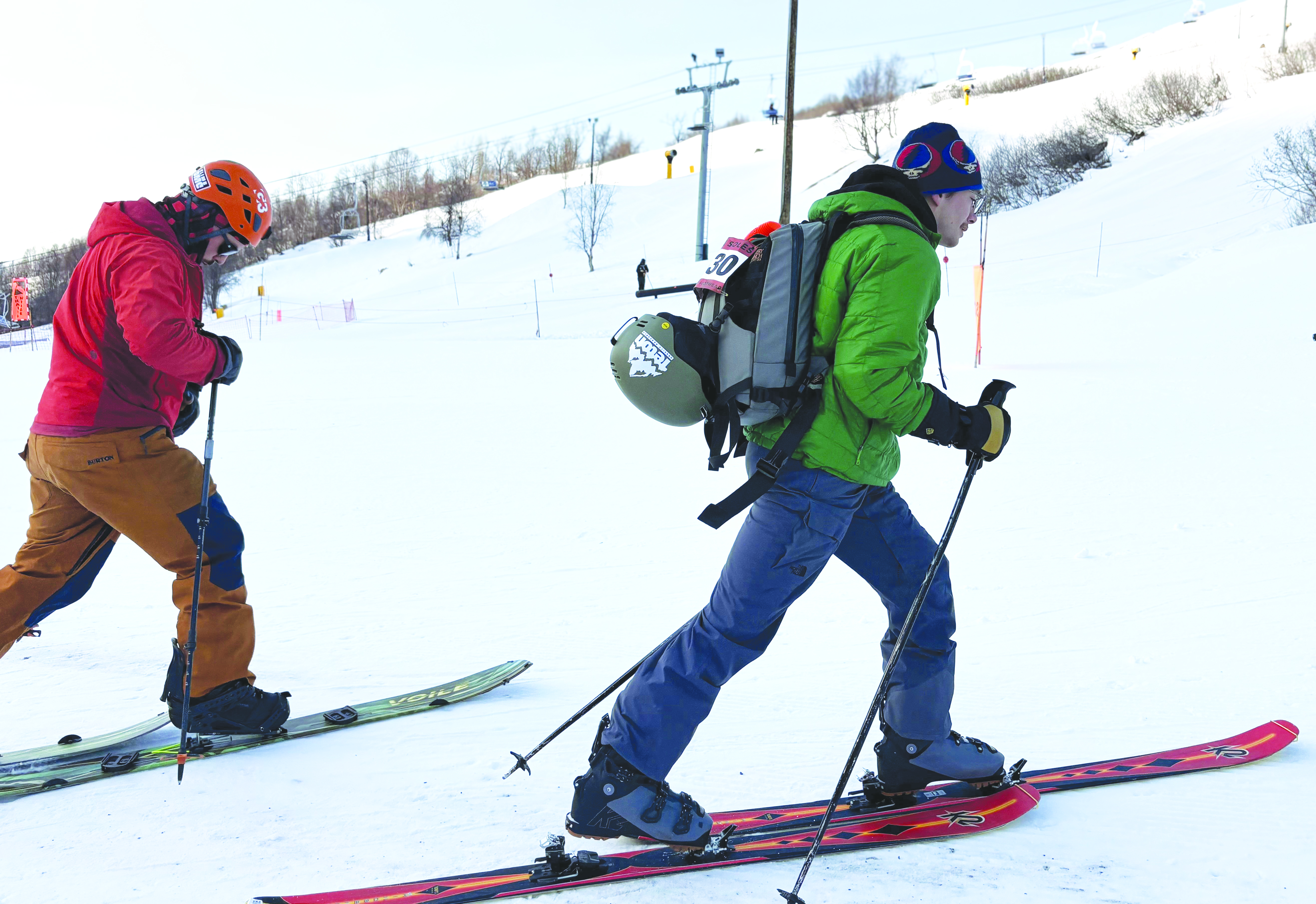
With skimo making its Olympic debut at the 2026 Milano Cortina Winter Games, the sport is experiencing a massive surge in popularity across the Mat-Su, as highlighted by the dozens of participants who turned out a skimo race that challenged local athletes to climb and descend the rugged terrain of Hatcher Pass, all part of Skeetawk’s signature spring event, Hatcherpalooza, on April 4.
Unlike traditional alpine racing, skimo requires participants to use "skins" on their skis to trek uphill before transitioning for a rapid descent. The Skeetawk event, sponsored by local retailers The Hoarding Marmot and AKtive Soles Performance Footwear, highlighted the area’s unique status as a "raw" and community-driven mountain.
First place in the male category went to Eli Oftedal with a time of 24:04, followed seconds later by Jonathan Byers, who completed the race at 24:52.
Sabrina Farmer captured the top spot in the Women’s division, with a time of 32:07, followed by Sierra Meggitt with a time of 34:05.
“This is only the second skimo race in Alaska,” said Oftedal about the growing sport, excited to see the turnout for the event. The other race is the Arctic Valley Rally, put on by Alaska Avalanche School.
The Skimo course at Skeetawk is considered challenging, with Byers noting that the course required significant, rapid climbing and technical, but none of that compared to the day. “The weather’s great and so was the race.”
Skimo’s history runs deep in the high-alpine, emerging from European exploration and military tradition, exemplified by the 1924 Military Patrol event. From there, it grew into a serious competition, taking off in the Italian Alps with the renowned Trofeo Mezzalama. Today, it is rapidly expanding, with 65% of ski resorts now offering skinning access—a massive jump in just ten years.
While the sport professionalizes with Olympic recognition, the heart of Alaskan skimo is still found in the community-driven, grassroots adventures—from early morning laps at Arctic Valley to epic traversals across glaciers. It is a return to an elemental form of travel, proving that in the last frontier, the best way to see the mountains is still by skinning up them.

By Jeremiah Bartz Frontiersman.com A football coach using a hockey reference as the centerpiece for his keynote address may

Frontiersman.com With its headquarters in Wasilla, the Frontiersman has been a primary source of news for the Matanuska-Susitna

By Katie Stavick Frontiersman.com The next generation of leaders took flight this week as the Houston High School Class

By Kyle Wilkinson For the Frontiersman Keynote speaker and Carry the Cure President Bill Pagaran’s words boomed through the