Retiring teacher, coach urges Colony grads to ‘find their 68’
By Jeremiah Bartz Frontiersman.com A football coach using a hockey reference as the centerpiece for his keynote address may


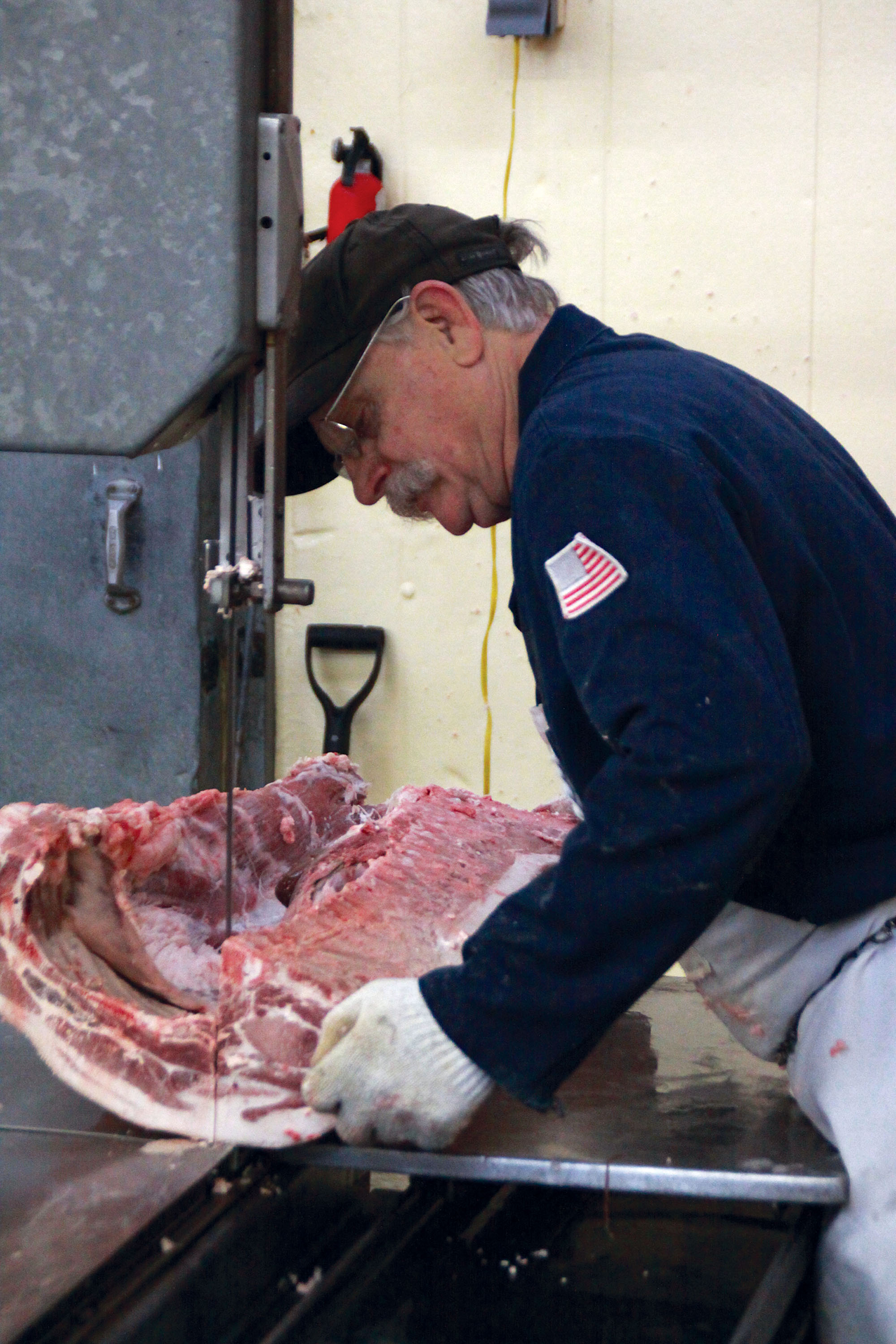
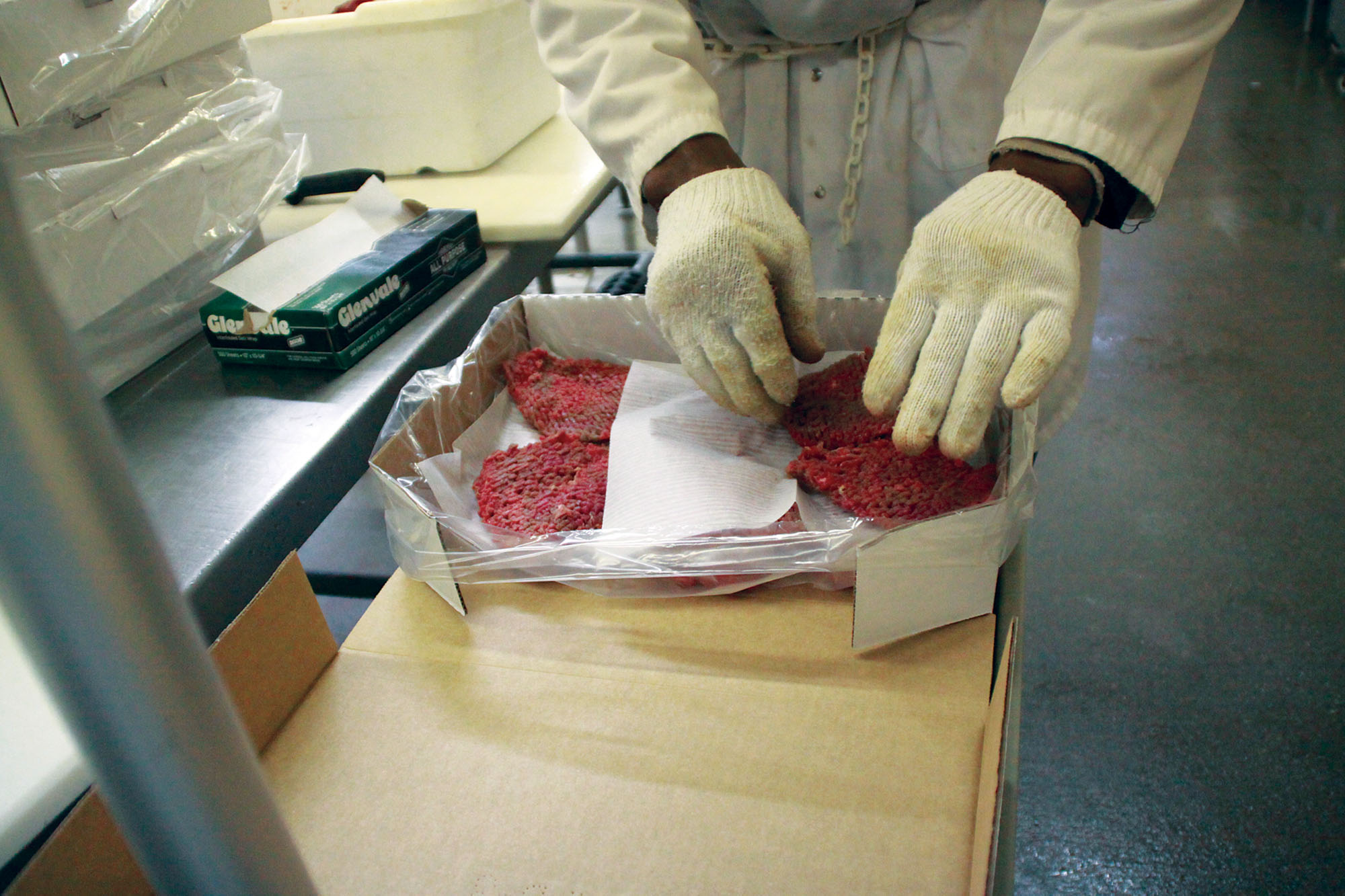
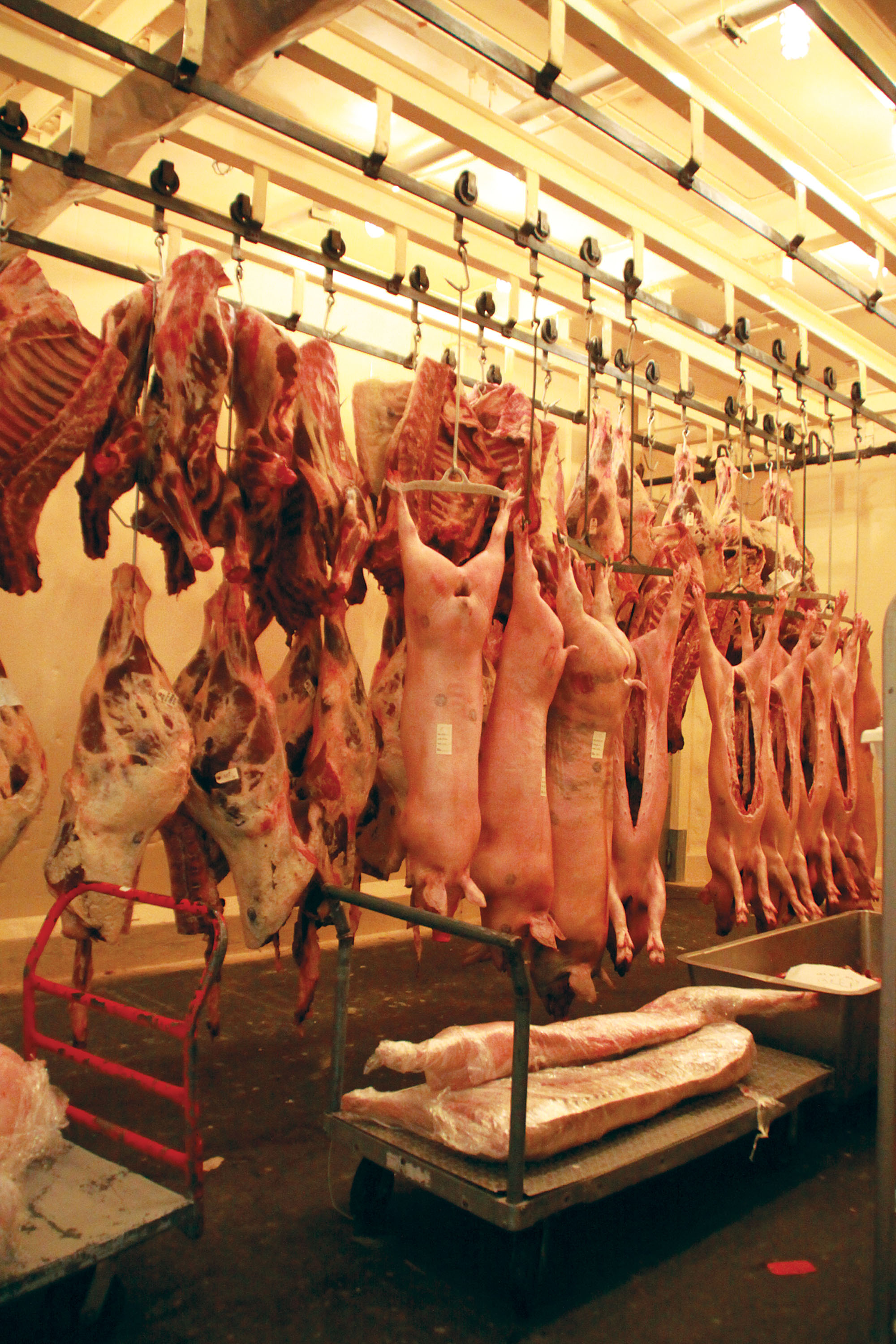
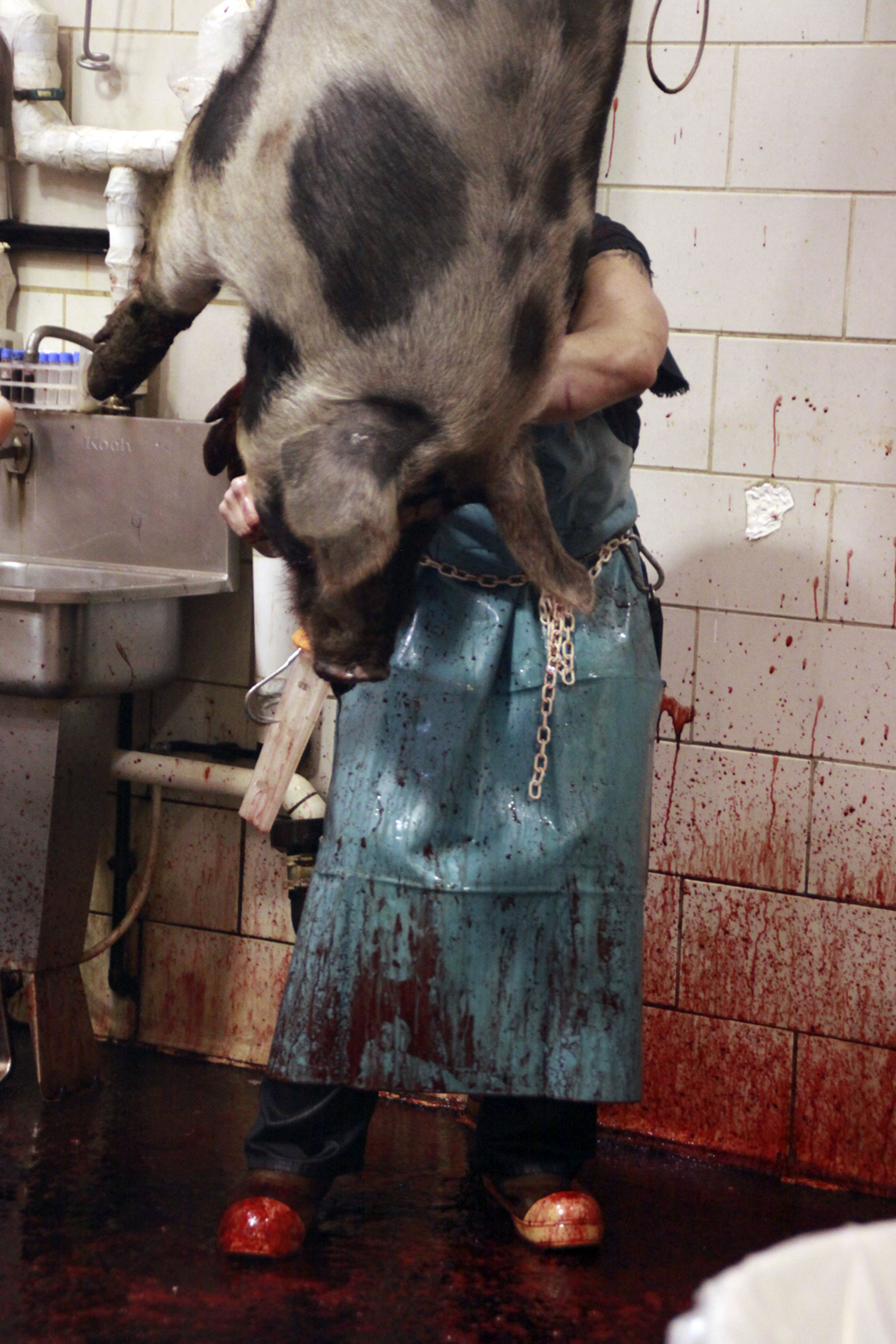
PALMER — Pigs grunted, snorted and kicked in one end of the Mount McKinley Meat and Sausage plant Wednesday, passing out the other end of the plant as plastic-wrapped pieces of pork.
If some legislators have their way, the pigs could be among the last animals to go through plant under state management. And if private sector interest in acquiring the plant is any indication, they could be the last pigs through the plant, period.
Managers say the potential closure of the Valley’s USDA-certified meat processing next summer could imperil not only Alaska’s meat animal industry, but the majority of agriculture in the state. Legislators last year placed the plant on a one-year funding plan, meaning the Legislature must vote every year to renew the plant’s funding arrangement. If the Legislature doesn’t address the plant’s operation in the upcoming January session, the plant will close at the end of fiscal year 2016, or June 30. No private buyer has expressed interest, said state Division of Agriculture director Franci Havemeister.
“They’ve (the Board of Agriculture) tried to move it into the private sector and had little, if no interest,” she said. “No one has come forward. At the end the day the plant has to pay for itself.”
Mount McKinley has operated at a net loss for nine of the last 10 years, and typically loses about $100,000 per year. (The plant lost $155,016 in the last fiscal year, after turning $42,488 in profit in fiscal year 2014). Those losses have been covered by interest paid by farmers from the state’s Agricultural Revolving Loan Fund, which provides competitive interest loans to farmers for equipment purchases, land clearing and property purchases. The fund means vegetable farmers, for example, could get money for a new carrot picking machine or irrigation system. While they pay it back, they end up covering the cost of meat processing at the plant, Havemeister said.
“Every other type of famer that using the fund is subsidizing that through their interest,” she said. “We think of it as farmers subsidizing other farmers.”
The loan fund still receives occasional infusions of money, Havemeister said. Roughly $71 million has been put into the fund between 1953 and 2013, the last year money was added. Financial reports show the fund had $23 million in assets for Fiscal Year 2015.
The state has owned the plant since 1986, when private ownership defaulted on a state loan. The state put the plant out for bid in 2000, with a minimum asking price of $600,000. There were no bids.
The plant, along with Delta Meat and Sausage in Delta Junction and Mid-State Meat in North Pole, is one of three USDA-certified plants in the state. Being certified means the food that comes out of the plant is fit for human consumption, and has a small ink stamp affixed to it with the certificate number, 20891, which identifies the plant where the meat was processed. In order to use the stamp, officials have to adhere to what are known Hazard Analysis and Critical Control Points plan (HACCP) for the various kind of processed meats the plant produces, and face regular on-site inspections (two Federal inspectors actually work at the plant). That means regular cleaning with hot water for all surfaces, and required headgear, long coats, and gloves.
“That stamp won’t transfer,” said plant manager Frank Huffman.
What sets Mount McKinley apart from other meat processing plants statewide and in the Valley is that it focuses only on farm-raised domesticated animals for the entire year. Other plants, including Delta Meat and Mid-State Meat, transition from domesticated animal butchery to game processing, said Kirk Brown, a Department of Natural Resources employee who led a tour of the facility Wednesday morning. That creates huge demand when farmers cull their herds in the fall to avoid paying high feed prices for animals over the winter months, Brown said.
“That’s why we’re so backlogged right now,” he said.
If animal farmers stop producing on a larger scale, that in turn could negatively impact the state’s anemic grain-growing industry, which feeds the animals, plant officials said.
Mount McKinley also operates under certain constraints that regular meat processing plants don’t face, officials say. For example, the state is prohibited from advertising or marketing its meat for sale. Inmates can be pulled from the plant by Department of Corrections officials without warning, and substituted with others, meaning the plant is retraining employees on a day-to-day basis. Farmers sometimes don’t appreciate the level of demand for the plant’s services at peak season, when it can take up to five months.
Plant officials keep a schedule for various producers to come through the plant (two quarters of a cow were wrapped and shipped for former borough mayor Larry DeVilbiss about 10:30 a.m. or so), and the plant is booked solid through to the end of December, Brown said. Officials are starting to work on the schedule for 2016.
Even processing plants ostensibly competing with Mount McKinley say the plant should remain open and run by the state. Mount McKinley is the only processing plant feasible for farmers as far south as Homer to deliver their animals, said Jeannie Tinkelman, a co-owner of Delta Meats. The plant also has a farming operation attached, which makes it easier to plan and manage slow periods, Tinkelman said.
“Let’s put it this way,” she said. “I believe there’s a very, very strong need because of the agriculture.”
Legislators themselves may also be partially to blame for Mount McKinley’s rocky financial footing, according to Tinkelman. Programs requiring public schools to purchase Alaska produce have been cancelled in the past, meaning farmers face an uncertain market for their beef and pork, Tinkelman said. Combined with a short growing season and extreme temperature swings, and farmers face enough uncertainty, Tinkelman said.
“My father had a saying,” she said. “’If you want to gamble, you can go to Vegas or you can farm in Alaska.’”
State Rep. Shelley Hughes and Sen. Charlie Huggins, who represent the area where the plant is located did not return phone calls seeking comment in time for print deadlines.
Contact reporter Brian O’Connor at 352-2270, brian.oconnor@frontiersman.com, or on Twitter @reporterbriano.

By Jeremiah Bartz Frontiersman.com A football coach using a hockey reference as the centerpiece for his keynote address may

Frontiersman.com With its headquarters in Wasilla, the Frontiersman has been a primary source of news for the Matanuska-Susitna

By Katie Stavick Frontiersman.com The next generation of leaders took flight this week as the Houston High School Class

By Kyle Wilkinson For the Frontiersman Keynote speaker and Carry the Cure President Bill Pagaran’s words boomed through the