Retiring teacher, coach urges Colony grads to ‘find their 68’
By Jeremiah Bartz Frontiersman.com A football coach using a hockey reference as the centerpiece for his keynote address may


MAT-SU — A person who tosses thousands of beached starfish back into the ocean may provide the creatures with temporary relief, but doesn’t address the potentially hostile state of the environment.
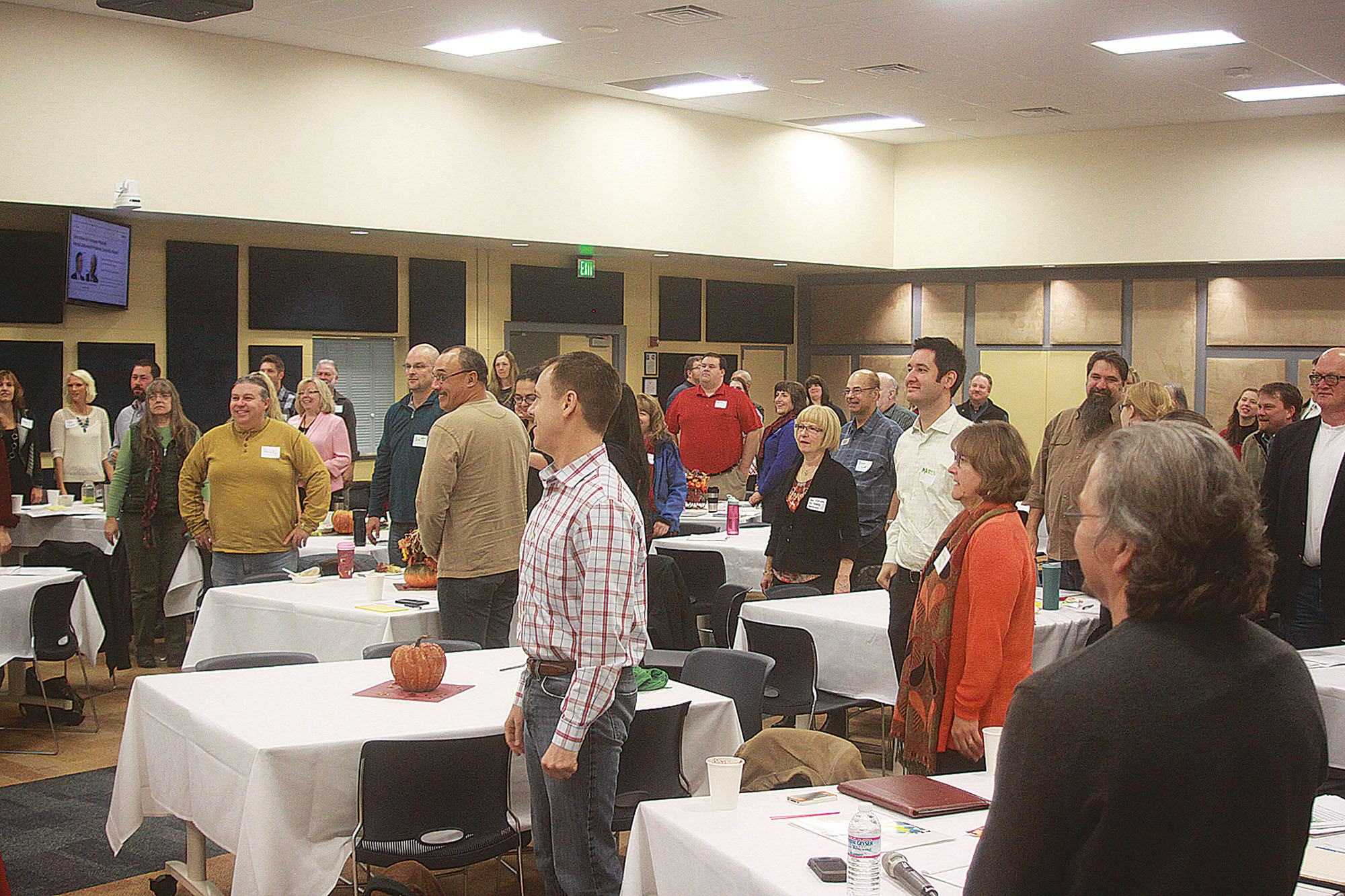
That’s the analogy conference facilitator Tom Begich used to kick off the Mat-Su Valley Summit for Adverse Childhood Experiences Study at the Mat-Su Borough School District administration building on Friday.
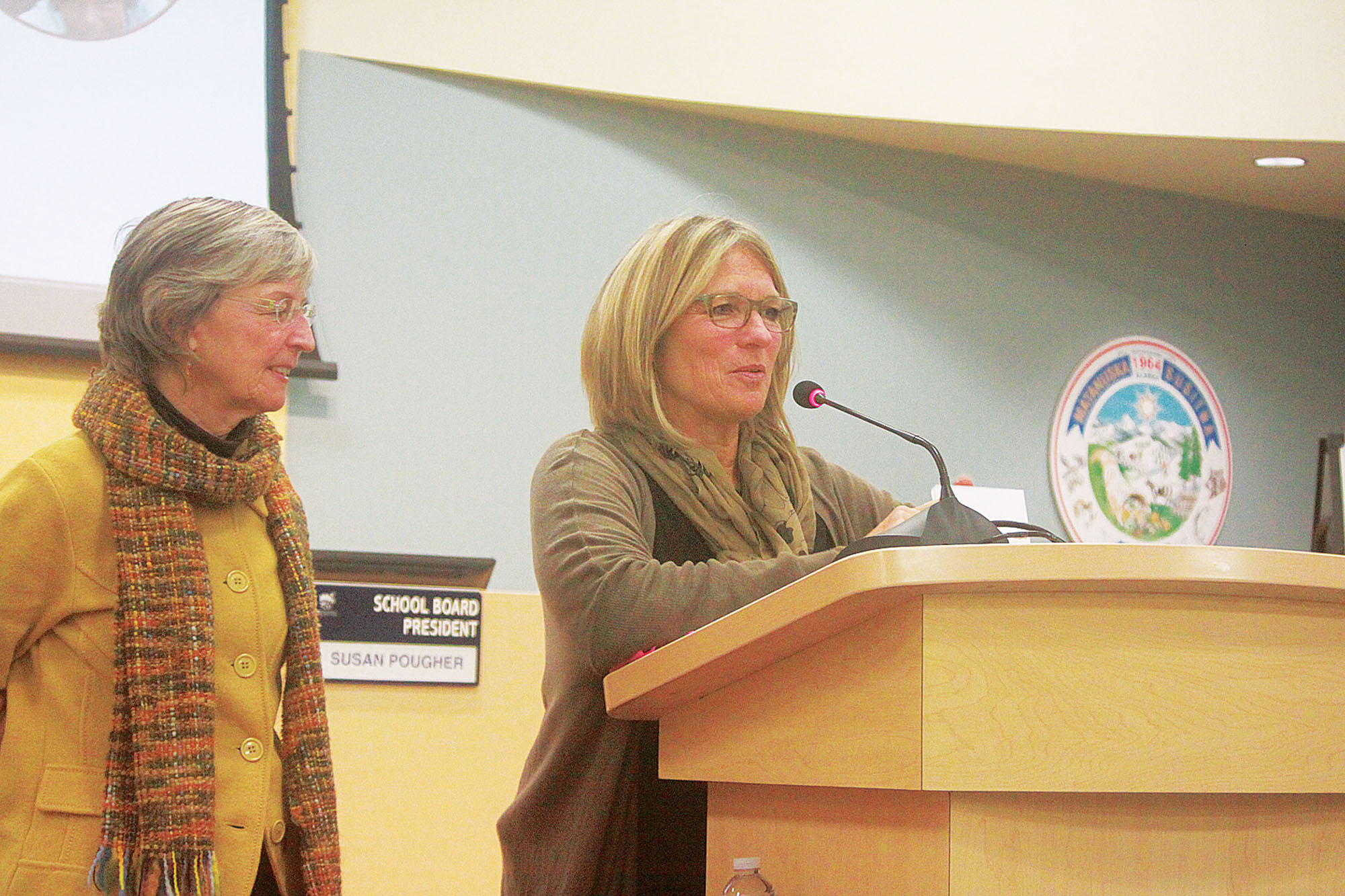
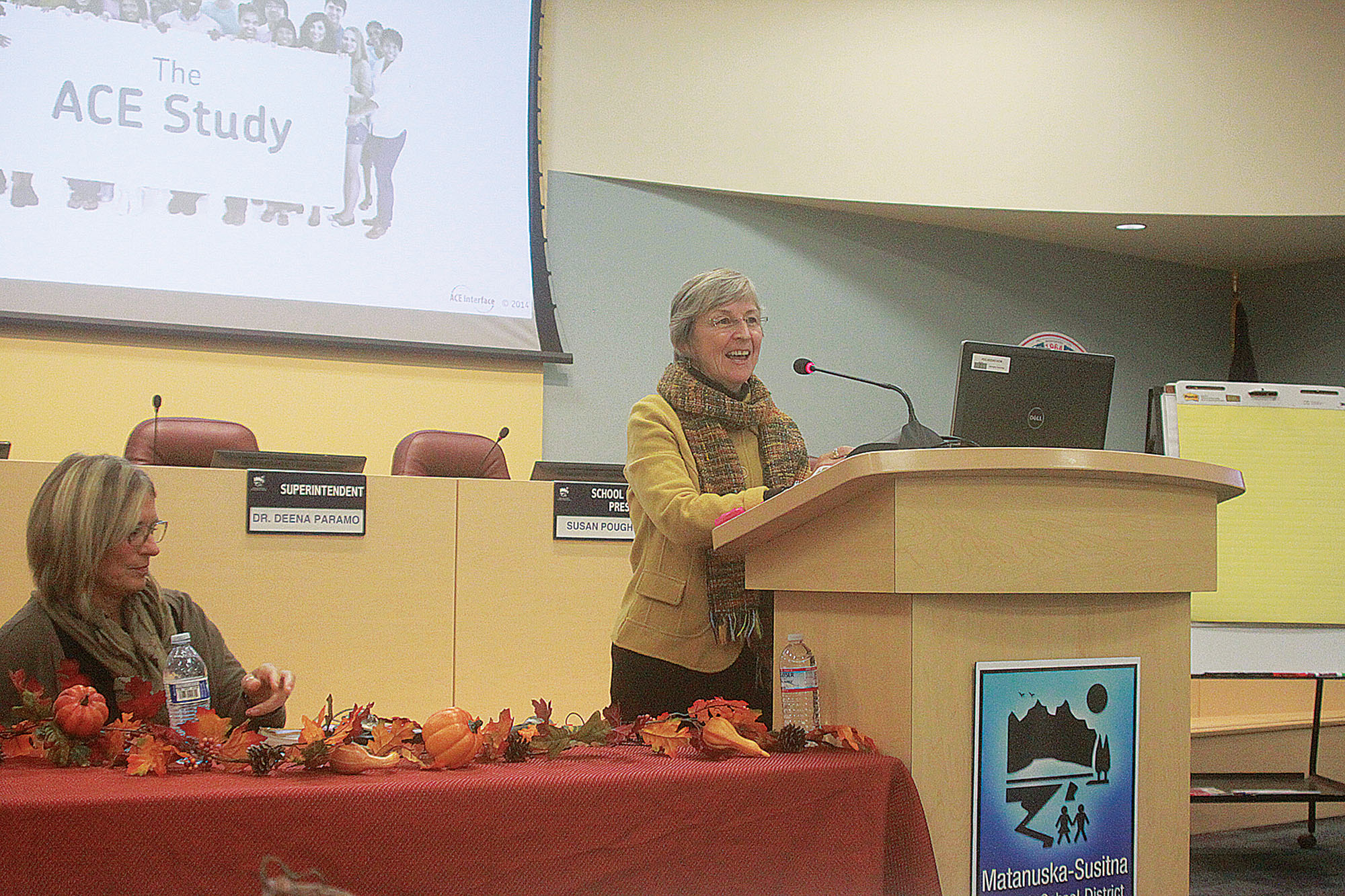
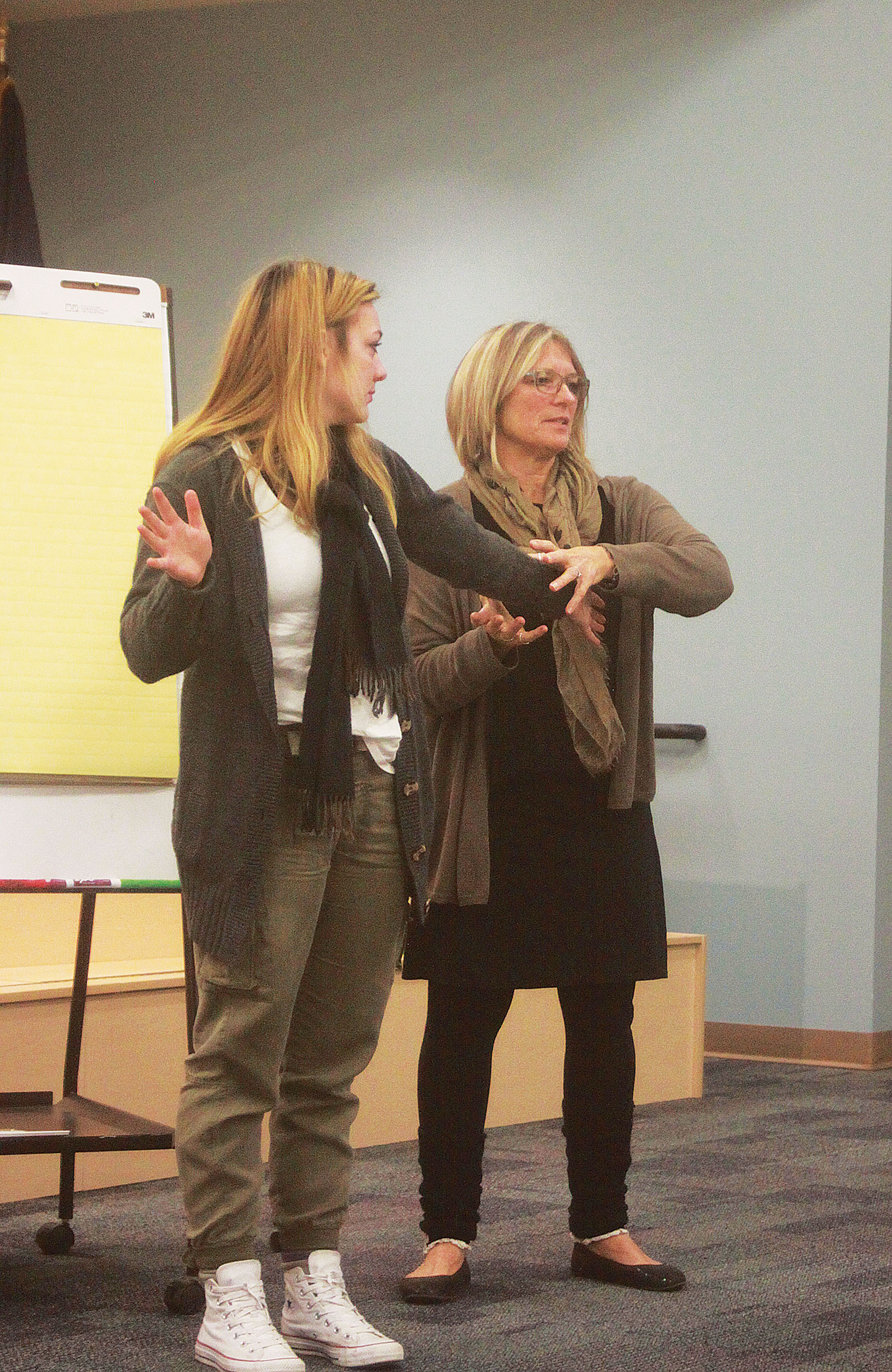
More than 100 health professionals and community members in other relevant fields were invited to begin the process of becoming a “trauma-informed community” and hear the hard-and-fast facts about the correlation between adverse childhood experiences and future negative health outcomes, as determined by the ACE Study. ACES trainer and therapist Deb Haynes — also a psychology and human relations teacher at Wasilla High School — and Dr. Linda Chamberlain with the Alaska Department of Health and Social Services — a dog musher and epidemiologist — delivered a collaborative presentation on the study.
In the early 1990s, 17,000 adult patients at various branches of Kaiser Permanente — one of the largest Health Maintenance Organizations nationwide, Dr. Chamberlain said — received and answered a questionnaire concerning ten adverse childhood experiences: psychological, physical, and sexual abuse; emotional and physical neglect; substance abuse by, mental illness of, and incarceration of a household member; parental divorce; and violent treatment of the mother.
The survey itself is 10 questions, and for every “yes” answer, the participant gains one point.
Results
The survey answers revealed that more than 28, 20 and 10 percent of Kaiser Permanente patients experienced some form of physical, sexual, and emotional abuse, respectively, during their childhood. That means 9,860 people — 56 percent of those surveyed — have experienced childhood abuse, neglect, or household dysfunction. Sixty-four percent, according to a printed handout for Mat-Su summit participants made available by researcher Dr. Robert F. Anda, have at least one adverse childhood experience, or an ACES score of one or higher.
The survey population was not considered “at risk,” Dr. Chamberlain said, but rather a portion of “lucky America.”
Location doesn’t significantly influence the results, either. In one of Haynes’ elective classes at Wasilla High, seven out of 15 students surveyed had a score of four or higher, she said, and three students scored nine out of 10. The survey was 100 percent anonymous, Haynes said. She was shocked by the results.
“My jaw dropped,” Haynes said. “I know my kids pretty dang well, but I didn’t know this.”
There were more surprises at the conference. Several of the guest speakers calculated and mentioned their own ACES scores, which ranged from zero to nine.
But the simple acknowledgment of childhood adversity wasn’t the breakthrough of the study. What the researchers found, Dr. Chamberlain said, was a “dose-response relationship” in the data, indicating a direct correlation between ACE score and negative health outcomes.
“This was a game changer,” she said of the study. “Nobody had systematically looked at (public health) this way before.”
These negative health outcomes seemed present especially as a result of self-medication, often performed to counteract or bury depression, “the leading cause of disability in America and other developed countries,” Dr. Chamberlain said.
Additionally, people with a higher ACE score, she said, are more likely to start smoking at an early age, be current smokers, or contract COPD, or become or marry an alcoholic. Again, the data presented a dose-response relationship showing essentially irrefutable evidence of the connections.
However, when presenting this information to young people — especially those with high ACES scores — care must be taken not to condemn them, the summit audience agreed.
“This is not a sentence,” Begich pointed out during a break, “this is an ability to understand.”
Haynes also made very clear at the beginning of the presentation her belief that the body, nor the brain, is to blame.
“We don’t have anything (naturally) in our bodies that makes us sad (or) sick,” she said.
Although genetic makeup can affect one’s susceptibility to certain illnesses or addictions, Haynes said, some conditions can be accelerated by taking certain psychoactive drugs, so users who do have a genetic predisposition to a given disorder should keep that in mind.
What we can do
“If the community is trauma-informed, it will meet people where they’re at in their life experiences,” Dr. Chamberlain said. “That will take us so far.”
Although not all issues can be addressed in 10 questions — bullying online and in schools, for example, does not appear in the survey — steps can be taken to not only “reduce future negative health outcomes” but “address what exists today,” Dr. Chamberlain said.
Increasing “relationship capacity,” Haynes said, is a start.
“It only takes one (relationship) and it doesn’t have to be Mom or Dad,” Haynes said. “That one connection can make a difference.”
Health professionals made up the majority of the summit participants — adults who spend significant amounts of time around young people — but Dr. Chamberlain said she wished someone from Animal Control had been present as well. Mutilation or killing of a pet, she said, is often an indication that violence against a child will soon occur in the home.
“ACES is about all of us (and) our wellness as a community,” Dr. Chamberlain said. By becoming trauma-informed, people can be on the lookout for warning signs and work to prevent negative health outcomes down the road, she said.
“People change reality long before laws are passed to do so,” Dr. Chamberlain said, eliciting several sounds of affirmation from the audience.
For parents, the presenters suggest making concentrated efforts to be a good role model; build strong relationships; be mindful of stressful times; provide adequate supervision; protect but don’t “overprotect”; and involve your child in the community and family decisions.
For youth, the presenters suggest ways to increase resilience: maintain a sense of perspective; recognize you have a choice in how you handle challenges; accept change; anticipate challenges by focusing on positive ways to meet them; learn how to calm yourself; overcome your fear; let go of your anger; take action; and even laugh.
People may be “forever changed” by their ACEs, but they do not have to be “forever damaged,” Dr. Chamberlain said.
Other speakers at the conference were: Adam Mokelke, Diane Demoski, Todd Whitehurst and Kristie Alleva from Burchell High School; school district counseling coordinator Jeanine Sparks; Peter Harrison with the Division of Juvenille Justice; social worker Lori Houston; Desiré Shepler with the Mat-Su Health Foundation; and Staci Manier with United Way of Mat-Su.
Contact Caitlin Skvorc at 352-2266 or caitlin.skvorc@frontiersman.com.
CAITLIN SKVORC/Frontiersman.com

By Barbara Hunt Palmer Buzz It was 6:43 on Friday morning and the Plant Owner was sound asleep when

By Kyle Wilkinson Frontiersman Memorial Day Weekend was filled with a variety of events in Willow. From live music to

By Kyle Wilkinson For the Frontiersman The Susitna Valley Emergency Preparedness Fair will be held at the Willow Community Center

By Barbara Hunt Palmer Buzz Green-Up happened at exactly 9:34 am on Saturday morning in Palmer. This was