Retiring teacher, coach urges Colony grads to ‘find their 68’
By Jeremiah Bartz Frontiersman.com A football coach using a hockey reference as the centerpiece for his keynote address may


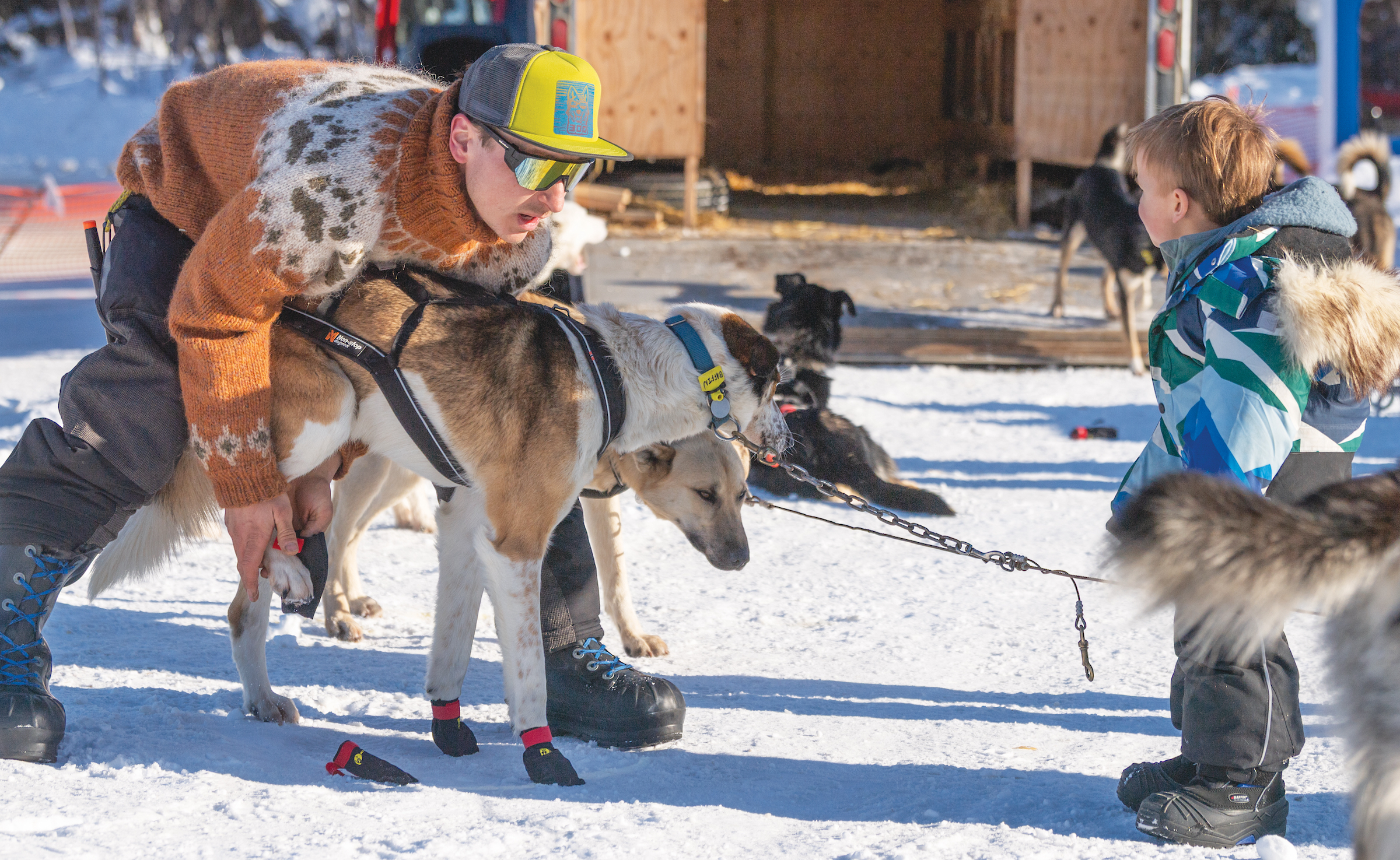
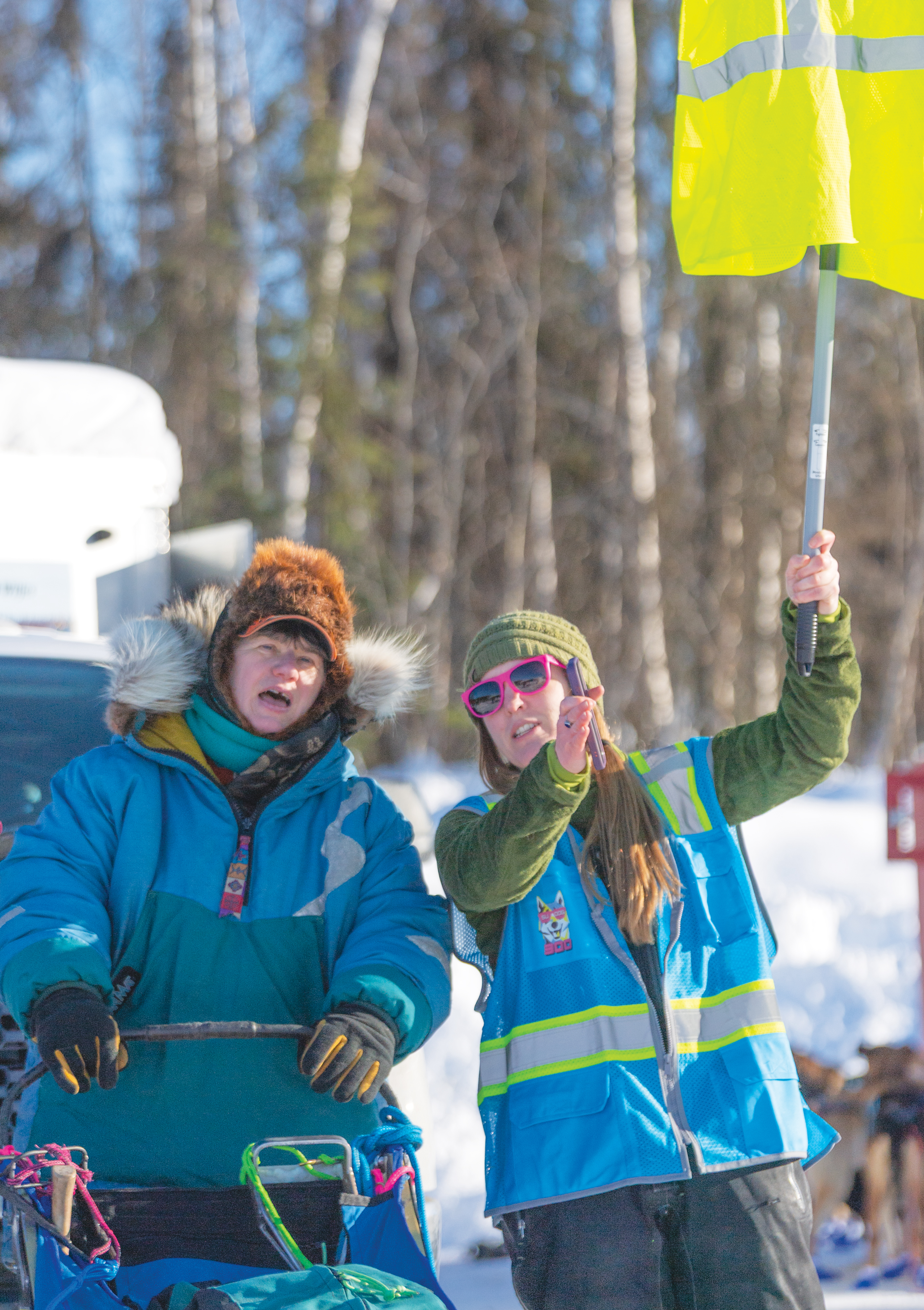
Under the watchful eyes of Alaska’s tight-knit sled dog community, 17 dog teams took to the trail Saturday, Feb. 21, launching the inaugural Su Dog 300 from the Willow Community Center.
Designed to fill the void left by previous long-distance races, this 300-mile competition through the Upper Su Valley brought young mushers and veterans out onto the trail for an Iditarod qualifier designed to prioritize community, mentorship, and the sheer joy of the sport.
“This is great, this is exciting!” said Tre-C Dumais, the Chair of the Su Dog Board of Directors before the start of the race, pleased with the turnout. “It shows how much people here love the sport.”
People weren’t the only ones itching to start; a cacophony of howls and barks underscored the pre-race tension. Once the flag dropped, however, the teams shifted into pure business.
“We’re real excited. The organization and board members, and Tre-C (Dumais) have just done a wonderful job,” said Race Marshall Donna Russell-Swope, who was thrilled at the mix of veteran mushers and young mushers, with even a 16-year-old participating this year. While Russell-Swope lives out at the Copper Basin and serves as Vice President for the Board of Directors for the Copper Basin 300, also a qualifier for the Iditarod, she enjoys that a qualifying race is coming to Willow. “You get to learn about the people and how to deal with things. It gives you that insight to see how they’re doing. It’s exciting for me to see them go on to what’s next.”
While the judges will look for different things out on the trail, Russell-Swope says one of the biggest things that she looks for is making sure everyone has their gear, the ability to handle issues that may come up while out on the trails such as a broken sled.
“A lot of times, I look at it as a way to guide younger mushers, mentor them. Going 300 miles is different than going 200 or 150 miles. It can get tough out there.”
Running a 300-mile (or longer) approved sled dog race is a mandatory component for rookie mushers to qualify for the Iditarod, serving as a test of necessary physical, mental, and wilderness skills. It proves the ability to care for dogs in extreme conditions, ensuring safety for the 1,000-mile race.
Unlike other races, the Su Dog offers no cash prizes, instead it offers an opportunity for fun and comraderie, promoting teamwork, and mentorship, and the chance to qualify for next year’s Iditarod.
There are familiar names like Eddie Burke, Rohn Buser, and Jeremiah Olvard, running the race and expected to do well. Meanwhile several mushers like Baydon Ketts, still new to the sport, were motivated to enter the race in hopes of qualifying for the Iditarod. “This was the best option for me and my dog team,” says the musher who has only been racing since 2024 and lives out in Knik and while hasn’t spent much time on the trails for the Su Dog 300, he is still excited. “Looking forward to it. The dogs always seem to like new trails.”
The race trail will make a large loop connecting many communities of the valley, including Willow, Caswell, Talkeetna, Chase, Trapper Creek, and Petersville. Each leg of the race will be 45 - 100 miles with four checkpoints along the way.
Race organizers say they expect finishers to return Monday evening in Willow. The Soup Dog soup contest to celebrate the finish will also be held Monday at the Willow Community Center, beginning at 5 p.m. And closing ceremonies will be held Tuesday, February 24.
For more information, please visit www.sudog300.org, and to track the race live, please visit www.trackleaders.com/su-dog26

By Jeremiah Bartz Frontiersman.com A football coach using a hockey reference as the centerpiece for his keynote address may

Frontiersman.com With its headquarters in Wasilla, the Frontiersman has been a primary source of news for the Matanuska-Susitna

By Katie Stavick Frontiersman.com The next generation of leaders took flight this week as the Houston High School Class

By Kyle Wilkinson For the Frontiersman Keynote speaker and Carry the Cure President Bill Pagaran’s words boomed through the