Retiring teacher, coach urges Colony grads to ‘find their 68’
By Jeremiah Bartz Frontiersman.com A football coach using a hockey reference as the centerpiece for his keynote address may


WASILLA — Make no bones about it — students learn more than how to dig for ancient artifacts in Archaeology Field School.
“More than artifacts, you find yourself,” said incoming Burchell High School senior Rebecca Petersen.
Earlier this month, Petersen and 18 other students from five high schools completed the 10th field school program in 12 years, spending four days in the classroom and 13 at Deadman Lake southeast of Fairbanks. Students worked with Burchell High School language arts teacher Paul Morley, Burchell science teacher Barbara Bodnar, Palmer High science teacher Mikey Evans and Tanana Chiefs Conference archaeologist Bob Sattler to gain three school credits in science, language arts and outdoor recreation through a variety of hands-on activities.
“Archaeology is a great example of a truly interdisciplinary science, and being a part of (the field school) is really just an awesome teaching opportunity to show students how to use everything they’re learning in (traditional) school,” Evans said.
To participate in the trip, students first had to fill out a short application, answering questions about personal motivation, experience and ability to cooperate and camp with fellow students for the duration of the school. Students are warned in the application packet that living conditions “will be a step up from roughing it” and that they are expected to work six hours at the archaeological dig site each day, in addition to other coursework.
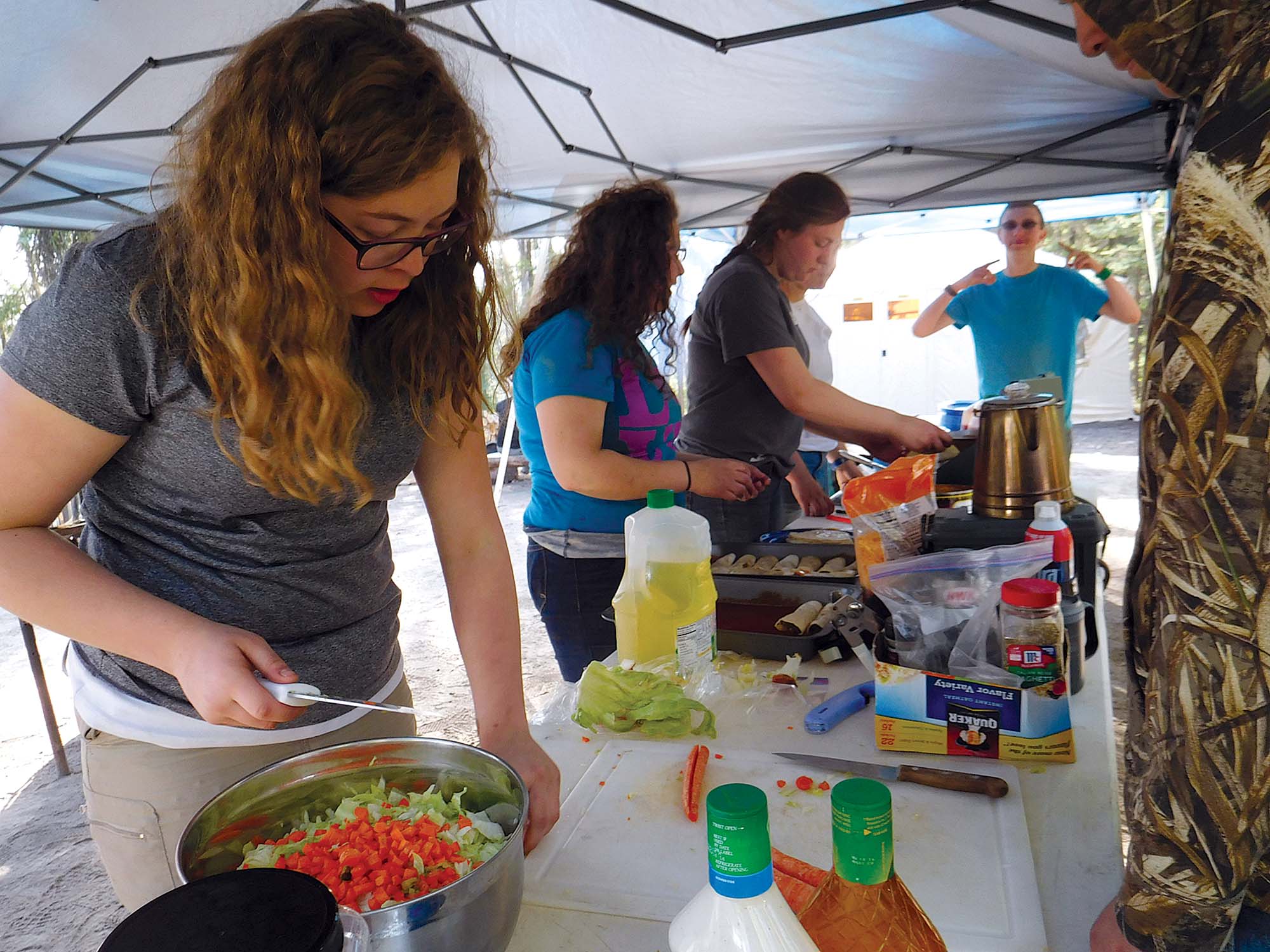
Days one and two are about team building, outdoor safety training, introductory lessons and equipment issue. The third day is spent traveling to the site and establishing camp.
Then the real work begins.
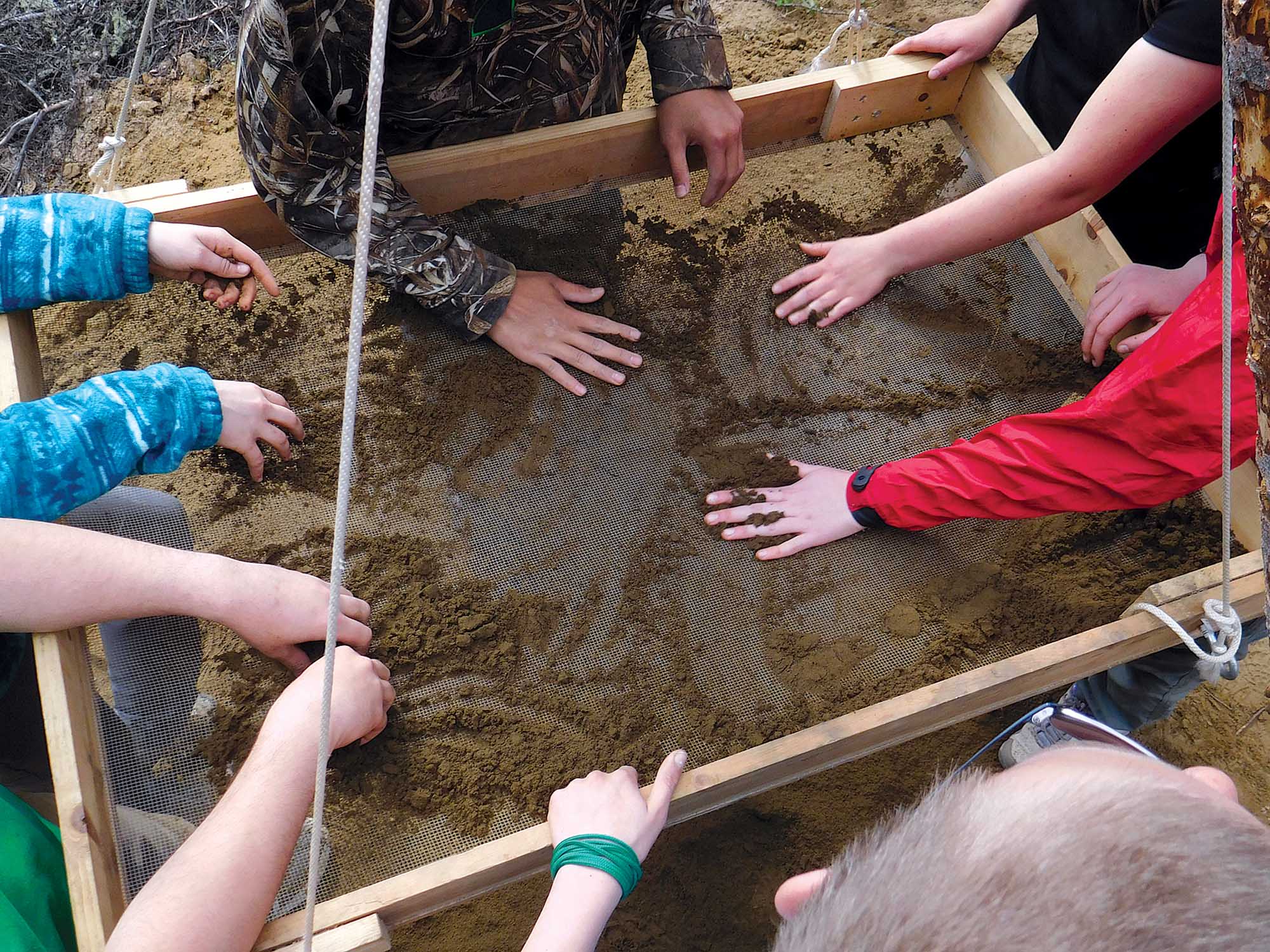
After a 7:30 a.m. breakfast, students took a half-hour to 45 minutes to clean up before traveling from camp to the dig site across the lake by boat. From 9 a.m. to noon, the students and teachers dug in designated half-meter squares under the direction of the archaeologist, documenting their finds as carefully and in as much detail as possible.
“It’s neat to see how much learning goes on when they’re actually digging and they’re finding stuff,” Bodnar said. “It’s not like reading in a textbook — it’s right in front of them.”
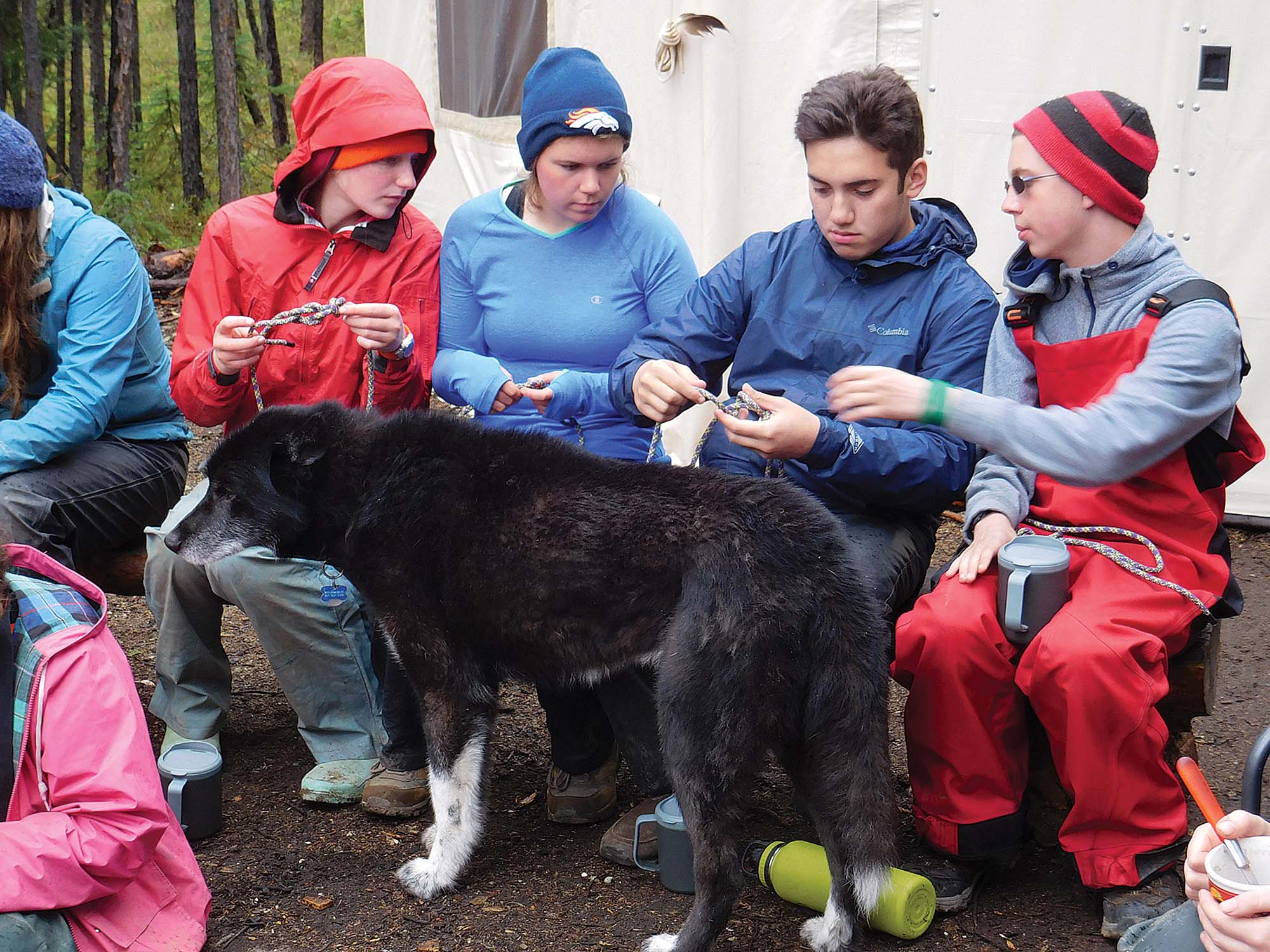
That’s not to say the field school was without bookwork. After lunch, students were split into groups for an hour-long lesson back at the camp. While two groups studied Alaska literature — ranging from historical texts to contemporary publications from the likes of Seth Kantner and Nick Jans — with Morley, Evans walked a third group through Alaska wilderness studies, which included things like knot tying and survival techniques.
After class, students returned to the dig site for another three hours of dirty work, followed by dinner back at the camp 6 p.m. The team then rounded out the evening with another hour-long lesson and opportunity for journaling, followed by some free time around a campfire and lights out at 10 p.m.
Morley said the field school was inspired by a day trip he took with Sattler and his students at Lathrop High School in the early 2000s to an old village site near the Tanana River.
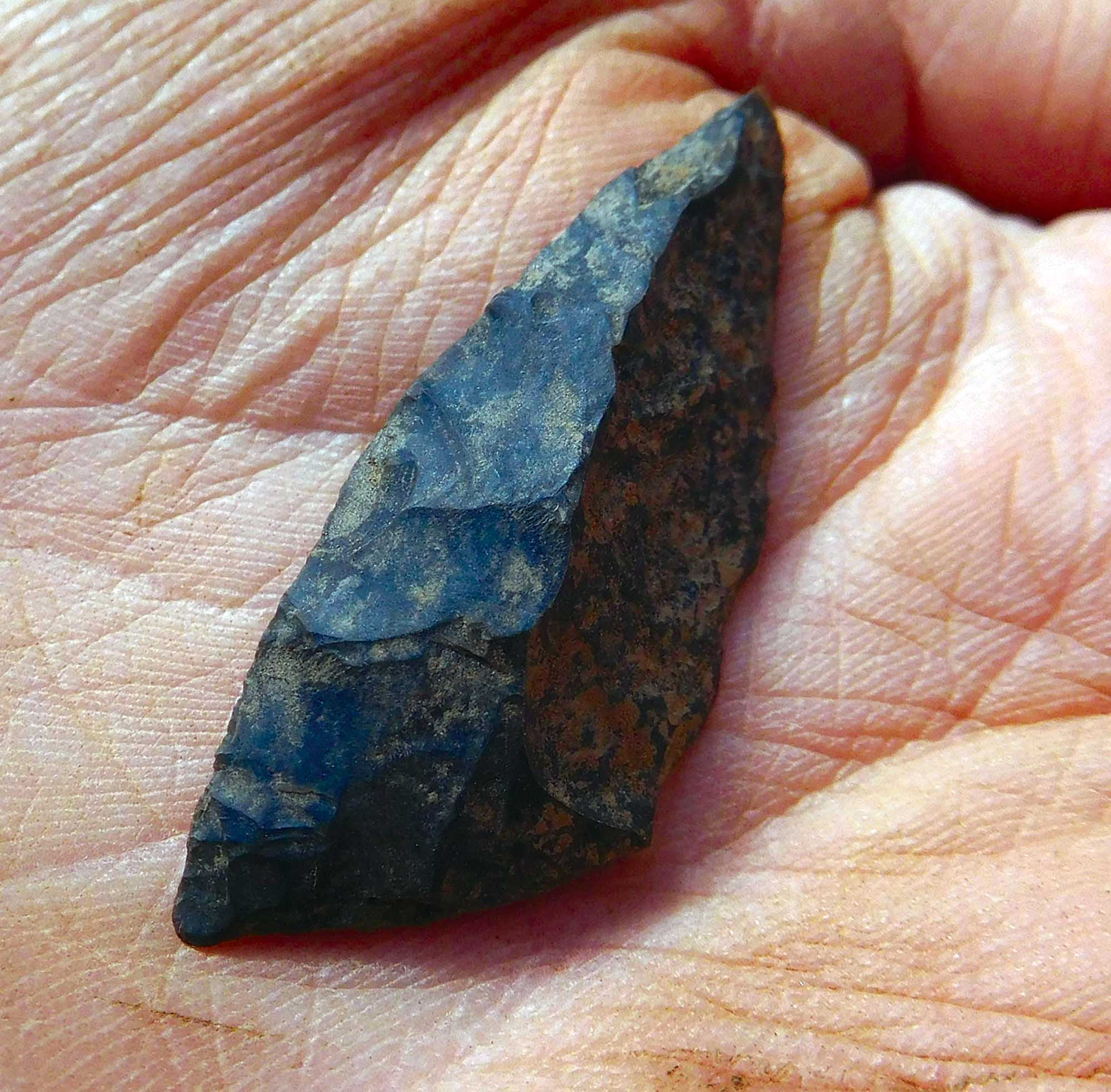
“You could see chipped stone where people had sat some thousands of years ago,” he remembered.
The experience was so positive for Morley and his Fairbanks students that he decided to try and develop a curriculum for such a trip for his Burchell students in 2005. With the help of his then-co-worker, Geoff Penrose, Sattler and a 21st Century Community Learning grant, Morley was able to pull it off.
“It was a pretty smashing success,” he said.
Over the next decade, funding for the program fluctuated, but it continued to grow. As partnerships developed between the field school and organizations like the Tanana Chiefs Conference, students were not only learning more about archaeology, but helping landowners conduct important archaeological assessments that determined the future of the land.
“It’s the real deal,” Evans said. “They have to get it right.”
Upon their return home from Deadman Lake, students were given a rest day before returning to the classroom for a final exam and five-paragraph essay on what they learned, what they enjoyed and how their perspective on life may have changed.
Palmer High students Mesa and Jewel Burgstahler and Eva Venema wrote theirs together.
“Field school gave the whole group an opportunity to grow into leaders, leaders who could make a great impact in our community by applying the skills we learned and showing everyone that adolescents can excel in life,” the girls’ write-up reads in part. “By setting a standard of effective collaboration for our peers, we create a domino effect that will make the Mat-Su Borough a stronger community, and that is a beautiful thing.”
For some students, the victories may have been smaller. Evans said he recalled multiple students over the past five years who were in tears on day one from being homesick, only to be in tears again on the last day because they didn’t want to leave.
Sean Sikvayugak, who will be a junior at Burchell this year, simply said the experience was “super fun.”
Whatever the outcome of the program for the individual student, Archaeology Field School is, in some way, “transformational” for every participant, Evans said, and should be recognized as such by the community if it is to continue.
“For programs like this to continue to be successful, we need support from the community,” he said. “Let the school board know these programs matter.”
Applications for the 2017 field school will be available next spring. Contact Paul Morley at paul.morley@matsuk12.us or Mikey Evans at michael.evans@matsuk12.us for more information.
Contact reporter Caitlin Skvorc at 352-2266 or caitlin.skvorc@frontiersman.com.
CORRECTION: An earlier version of this story described Mesa and Jewel Burgstahler and Eva Venema as Burchell students. The three girls go to Palmer High School.

By Jeremiah Bartz Frontiersman.com A football coach using a hockey reference as the centerpiece for his keynote address may

By Katie Stavick Frontiersman.com The next generation of leaders took flight this week as the Houston High School Class

By Kyle Wilkinson For the Frontiersman Keynote speaker and Carry the Cure President Bill Pagaran’s words boomed through the

By Jeremiah Bartz Frontiersman.com The community of Palmer is known for a couple of things. At or near the