Retiring teacher, coach urges Colony grads to ‘find their 68’
By Jeremiah Bartz Frontiersman.com A football coach using a hockey reference as the centerpiece for his keynote address may


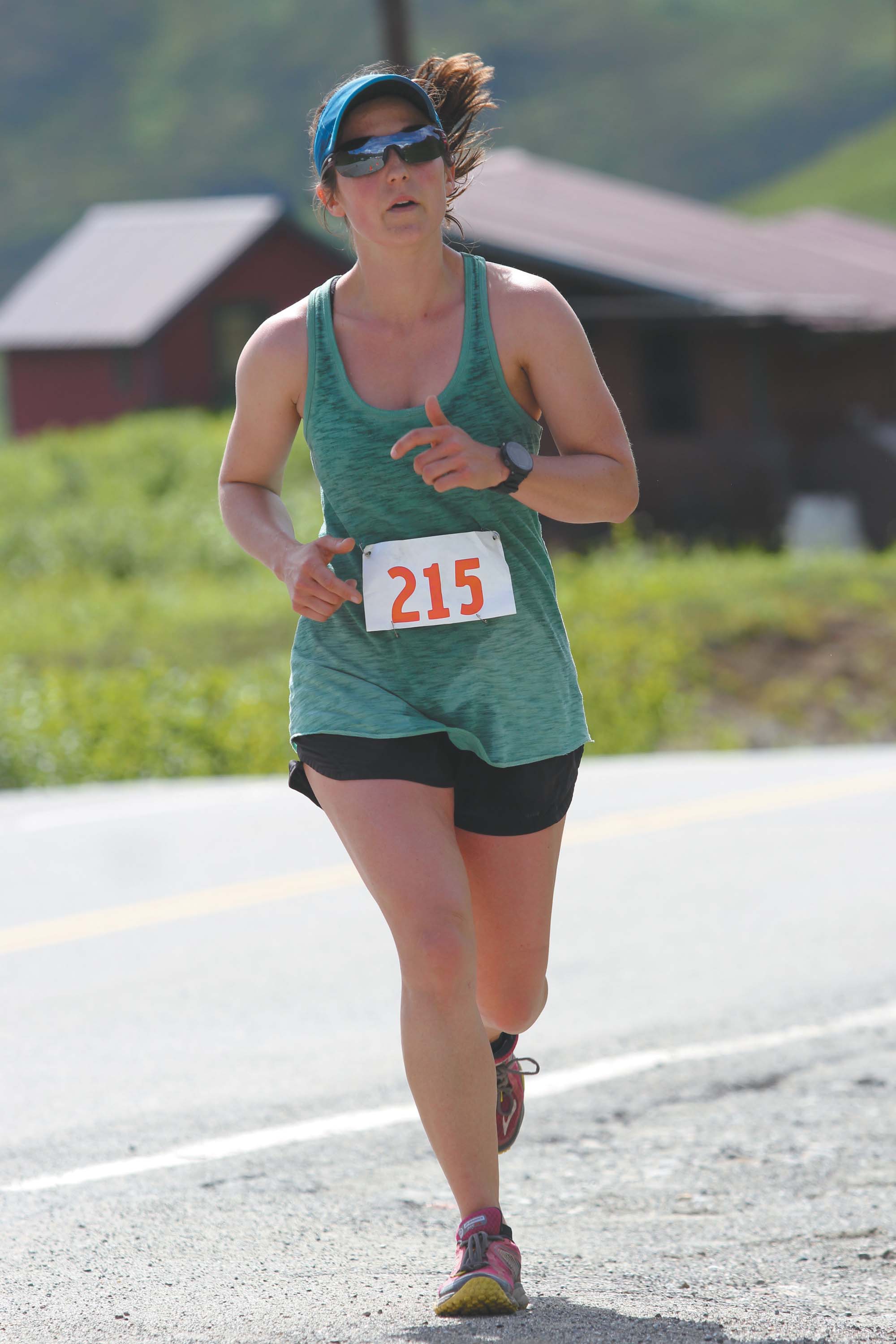
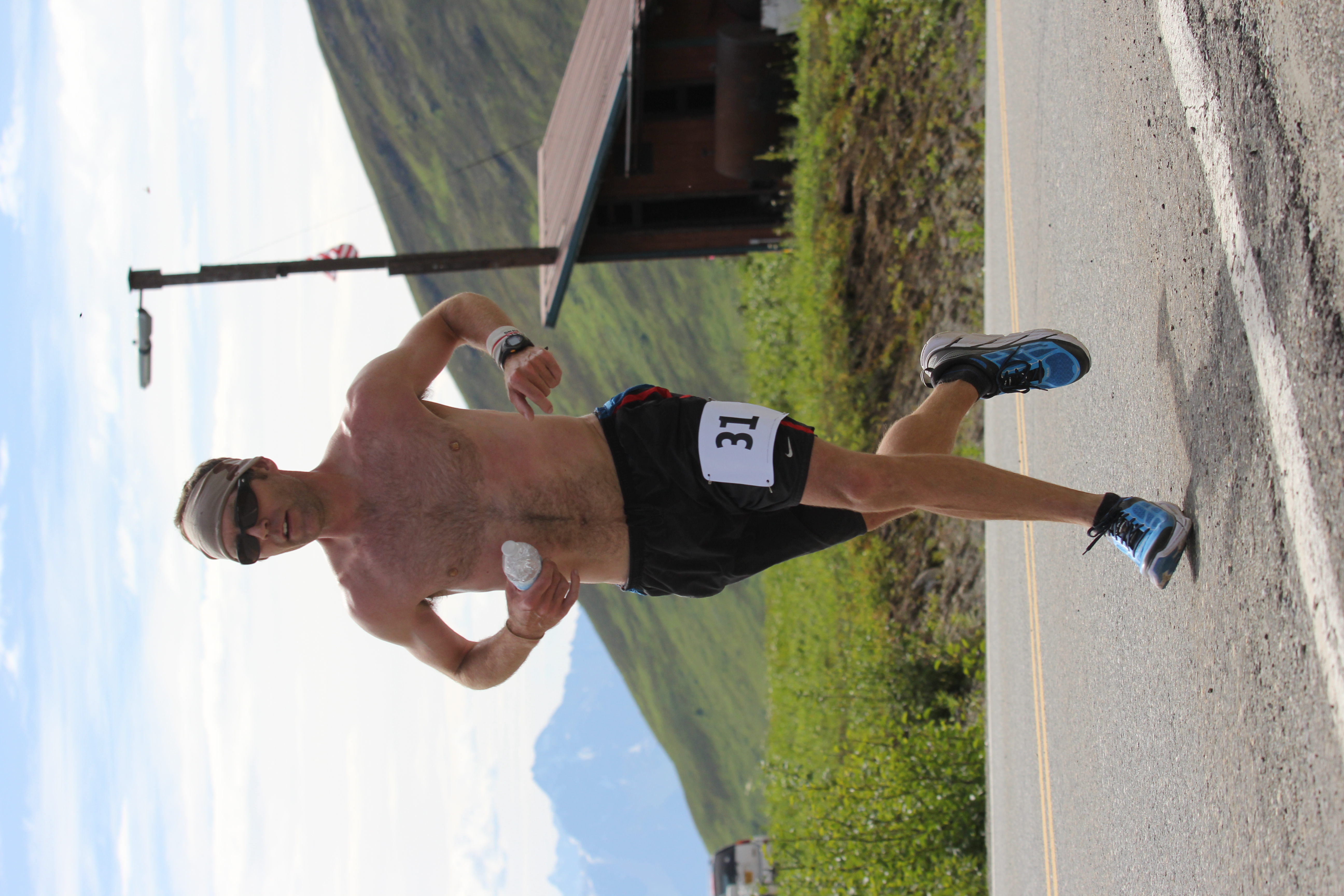
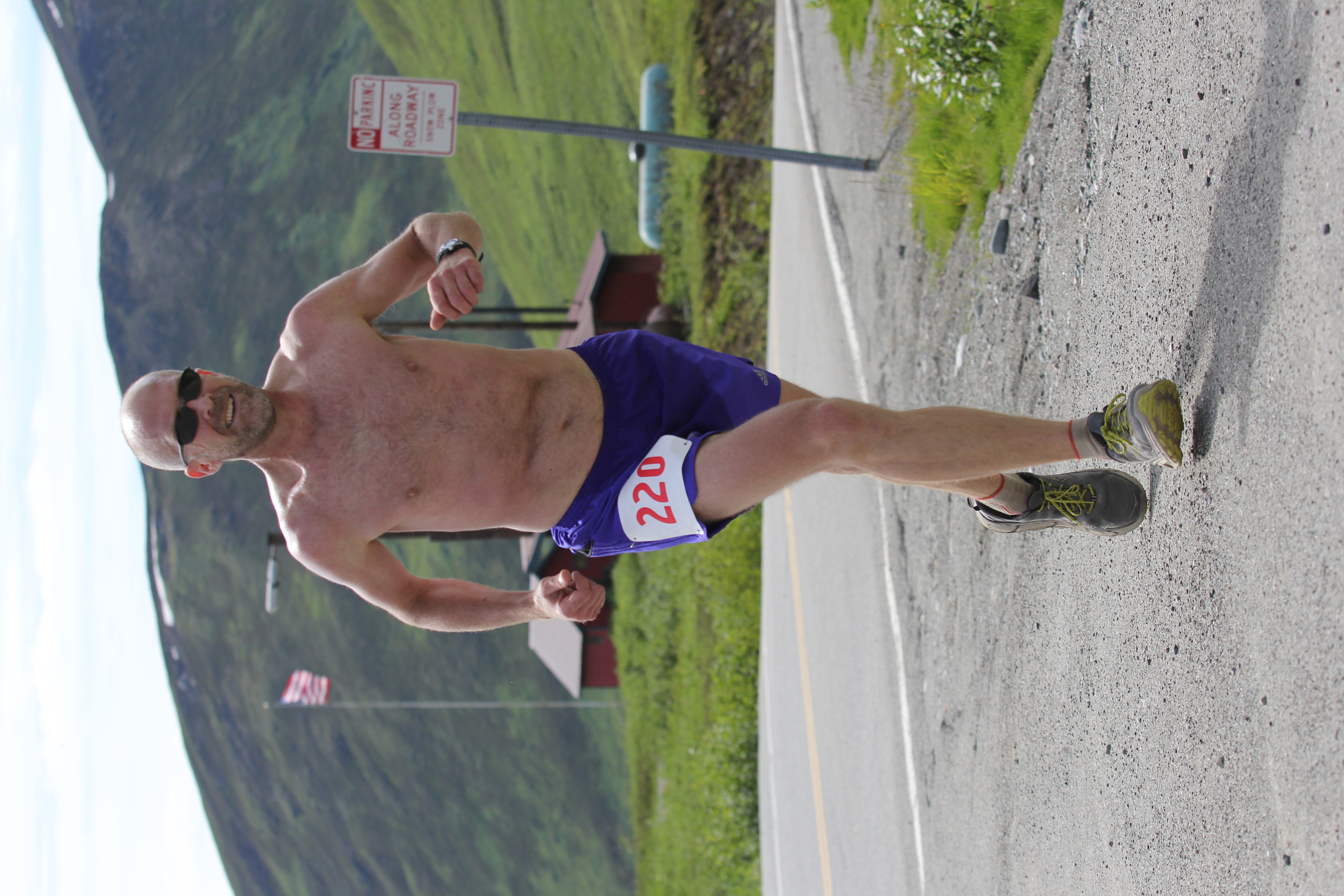
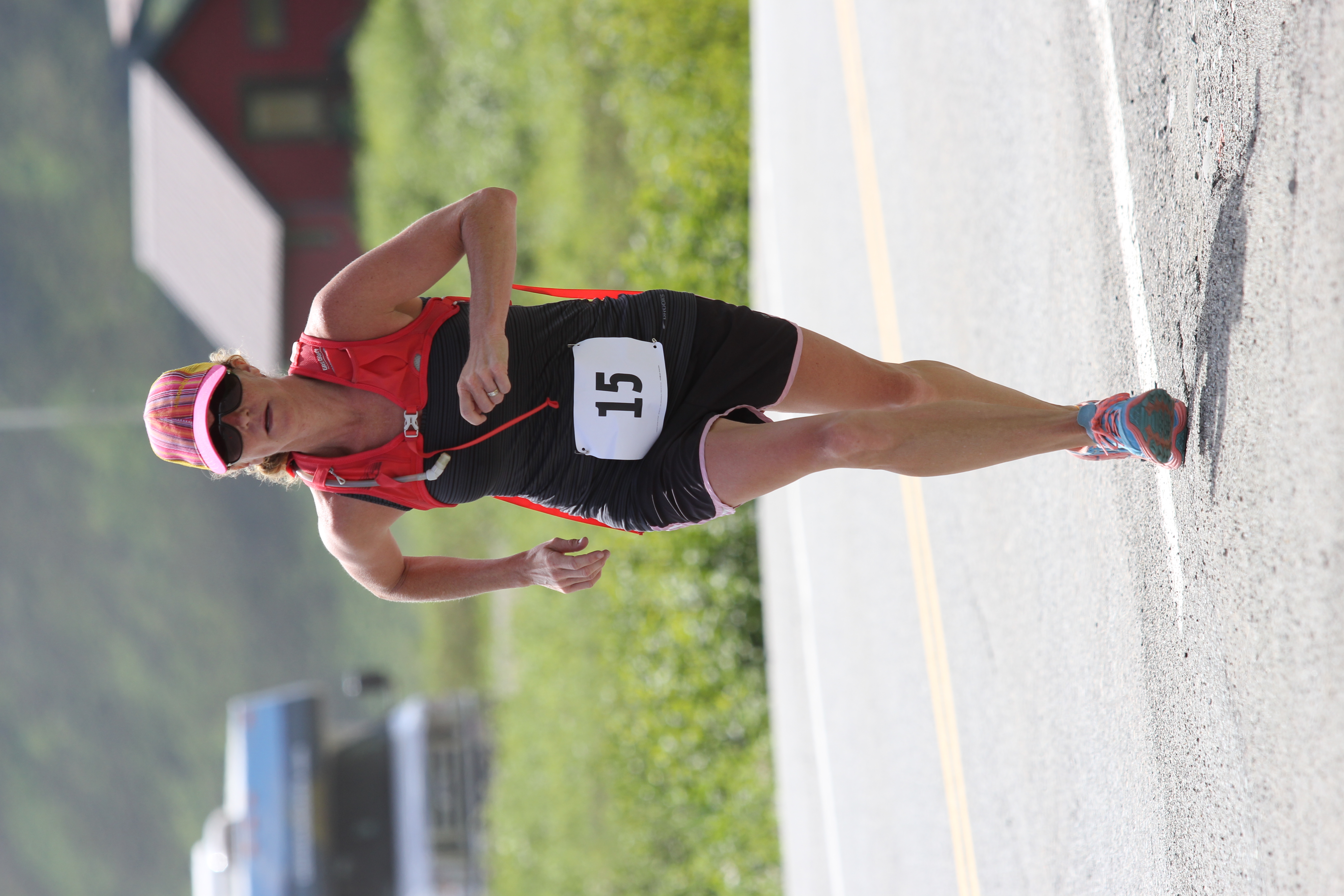
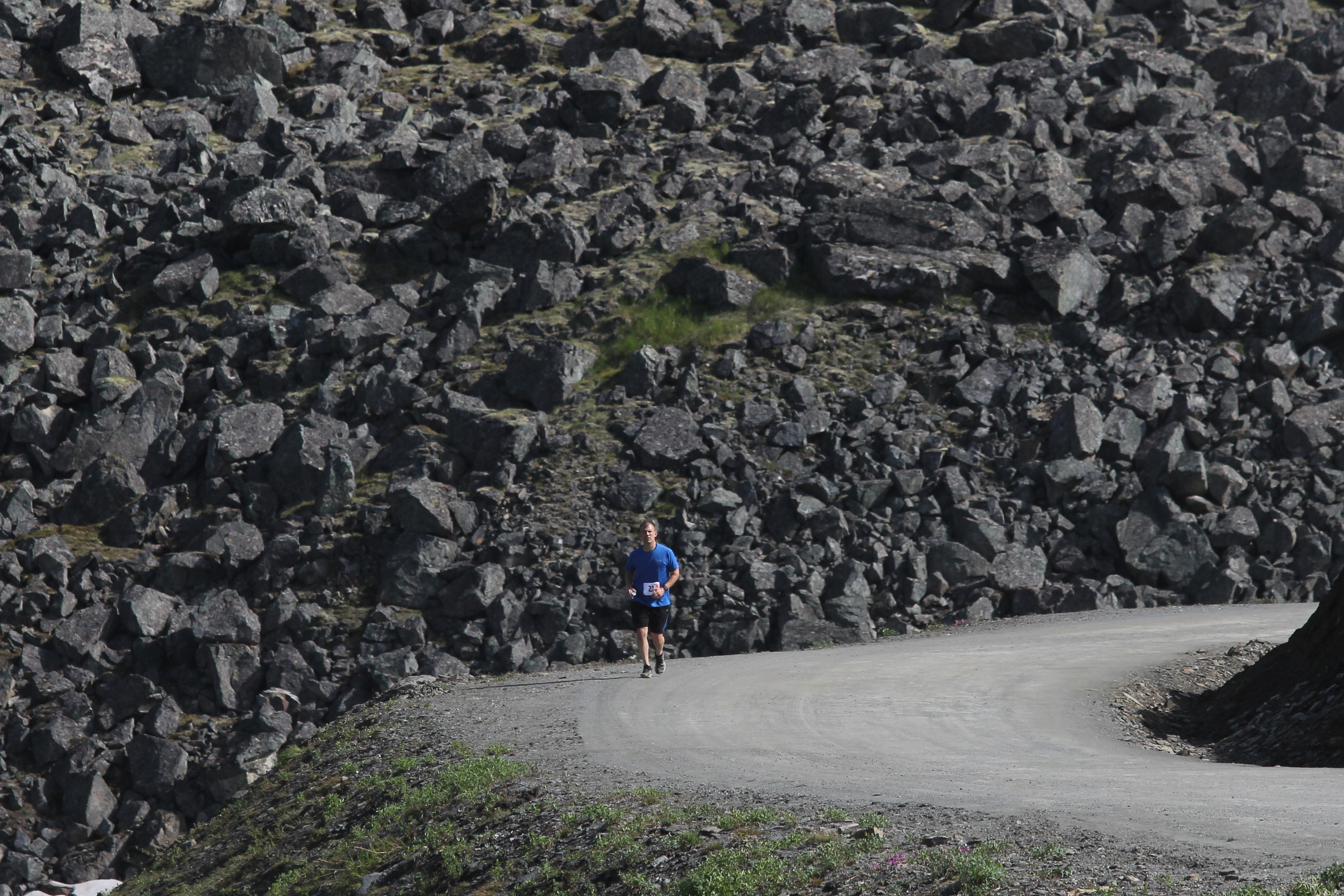
HATCHER PASS — Slipping in among the many nature photographers, hikers and paragliders galavanting about the Mat-Su Valley’s favorite playground on Saturday were dozens of runners with a heightened sense of fun.
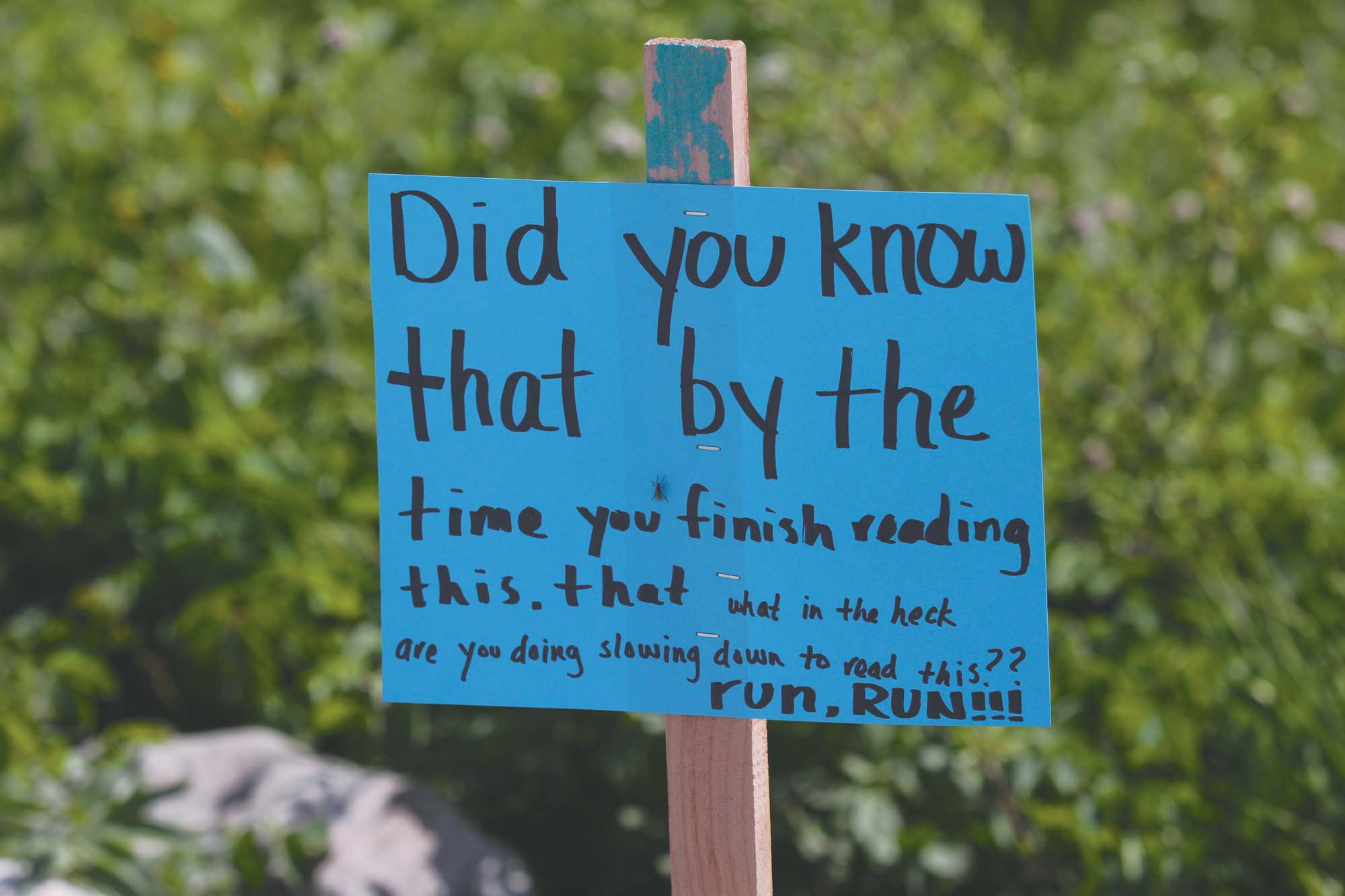
Thirty-four individuals and 22 relay teams participated in the sixth annual Hatcher Pass Marathon this year, a race from the beginning of Willow Fishhook Road to the main Independence Mine Historical State Park parking lot. The course runs a bit longer than the standard 26.2 miles, and takes participants gradually, “or relentlessly uphill, depending on your mood,” according to the race website.
“It was so hard!” said women’s winner Lisa Drumm, of Talkeetna, upon crossing the finish line.
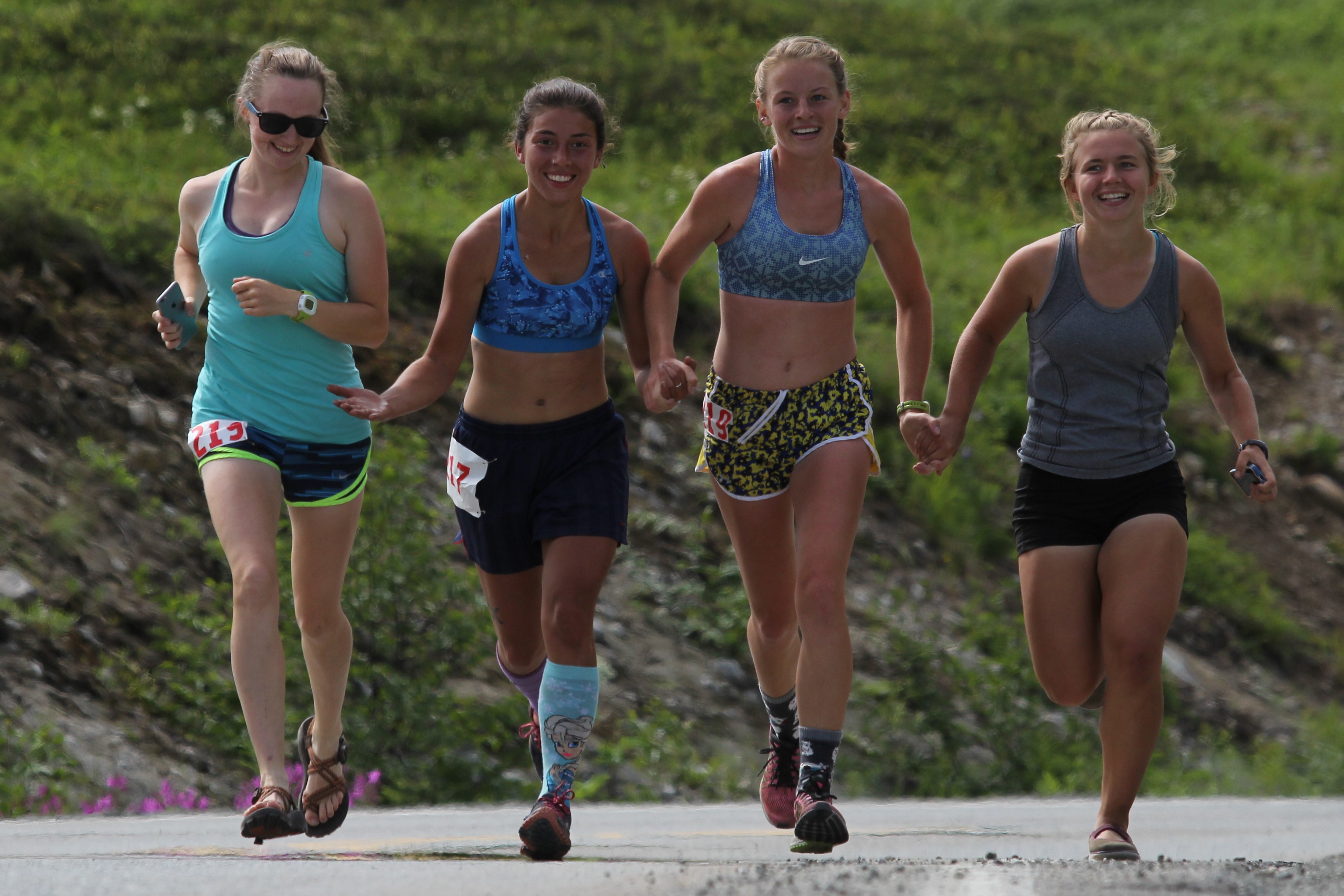
Though the field of the Hatcher Pass Marathon is relatively small compared to other Alaska marathons, such as the Anchorage Mayor’s, Humpy’s and Equinox, this year’s event — which included a 3-leg relay and full marathon — drew competitors with a wide range of abilities.
Rookie Donald Ridge, who has lived in Willow for the past four years and in Alaska upwards of 20, said the Hatcher Pass Marathon was his first ever.
“I’ve always done a lot of running … and I thought, if I do a marathon, why not do a good one?” he said at the finish line.
Ridge finished the race in just over 4 hours and 57 minutes, meeting his sub-5-hour goal.
Ridge came in first, but not because he had the fastest time — rather, he started two hours early.
Unlike more competitive marathons, the Hatcher Pass event and mountain races like Sunday’s Pioneer Ridge Vertical Mile offer an early start option for participants who want to take their time, but still be able to enjoy the finish festivities with the rest of the competitors (at Pioneer Ridge, however, the early start is unofficial, and racers must time themselves) .
This laid-back atmosphere is what attracts a lot of runners, including this year’s Hatcher Pass Marathon winner, Anchorage-based ultrarunner Dugan Greenwell.
“The community’s pretty dynamic and fun,” he said.
Greenwell, originally from Homer, started running in his 20s about 10 years ago, but didn’t come into the ultrarunning scene until about 3 years ago, when a co-worker turned him onto it.
“Every time I’d find out about a longer race, I signed up for it,” Greenwell said. “I was intrigued by every longer distance.”
When he was training for his first marathon, Greenwell tore his achilles playing Ultimate Frisbee, and had to start over. Gradually he rehabilitated his injury and conquered the notorious 26.2, then a 50-miler, and finally a 100-kilometer race. He even ran a marathon in Antarctica one summer while he was working at the research station there.
Though he still occasionally runs shorter-distance races like half-marathons and 10ks, Greenwell said there’s something special about marathons and ultras.
“It gives you the ability to see a lot of terrain in one day,” he said.
Personal trainer, photographer and Palmer ultrarunner Kate Arnold, who ran in the relay for the first time on Saturday, said that was especially true of the Hatcher Pass event.
“This has gotta be the most beautiful marathon in Alaska,” she said.
Arnold wasn’t always a runner. In her teens and early 20s she was overweight and inactive — smoking, drinking to excess and frequently eating at McDonald’s. When she finally decided to make a change, it was a gradual one.
“You start out running 3 miles and at first it sucks and it feels horrible, then you do it again and it gets a little easier,” she said.
Once she started racing and meeting new people in the distance community, Arnold knew she couldn’t stop.
“It’s addicting and you just wanna be a part of it,” she said.
Tom Burton, who ran the final leg of a relay this weekend with friends Ron Downing and Matt Crow, said he most enjoyed the mental and physical challenges of ultrarunning, including dealing with inclement weather.
“Knowing the human body can make it through those conditions, that you can physically and mentally endure something like that is pretty fascinating,” Burton said.
“He likes misery,” Downing translated.
Burton laughed, but didn’t disagree.
However, one of the less enjoyable challenges of running and training for ultras, he said, is having a day job on top of it.
As the owner of a paint contracting business in Anchorage, Burton said he rarely works an 8-hour day, which, fortunately, allows him to average 50 to 60-mile weeks with 8 to 15-mile runs after work.
“It’s nearly impossible (to train) when you’re (working) 40 or 50 hours a week,” he said.
Some — like Palmer’s Ben Marvin and Willow’s David Johnston, who both work in the medical field — manage to make it work, but an ultrarunner’s lifestyle is not for everyone.
Burton suggested anyone interested in running a marathon or longer race should be sure to exceed that distance in training before competing.
“If you don’t, you’re gonna suffer for it,” he said.
Burton and Greenwell both said people have told them they were crazy, running such long distances. But to Greenwell, at least, it’s just another way to pass the time.
“Everybody has a different hobby,” he said. “Sometimes I can relate to them and sometimes not.”
To learn more about mountain and ultrarunning in Alaska, visit www.alaskamountainrunners.org or www.akrunners.org.
Contact reporter Caitlin Skvorc at 352-2266 or caitlin.skvorc@frontiersman.com.

By Jeremiah Bartz Frontiersman.com A football coach using a hockey reference as the centerpiece for his keynote address may

Frontiersman.com With its headquarters in Wasilla, the Frontiersman has been a primary source of news for the Matanuska-Susitna

By Katie Stavick Frontiersman.com The next generation of leaders took flight this week as the Houston High School Class

By Kyle Wilkinson For the Frontiersman Keynote speaker and Carry the Cure President Bill Pagaran’s words boomed through the