Retiring teacher, coach urges Colony grads to ‘find their 68’
By Jeremiah Bartz Frontiersman.com A football coach using a hockey reference as the centerpiece for his keynote address may


PALMER — In the first year of esports as a high school sport in Alaska, two teams from the Valley qualified for a national competition. The Palmer High School Overwatch team lost in the national semifinal to a team from Connecticut, the only other state with sanctioned esports for high schools.
When Nichelle Henry and Sarah Kitzan heard about esports beginning as a high school sport over the summer, they were eager to help coach the team. They had no idea what kind of struggles and successes the team would encounter during the fall season.
“I don’t think anyone from the student to the teachers to the district really knew how much work it was going to be,” Henry said.
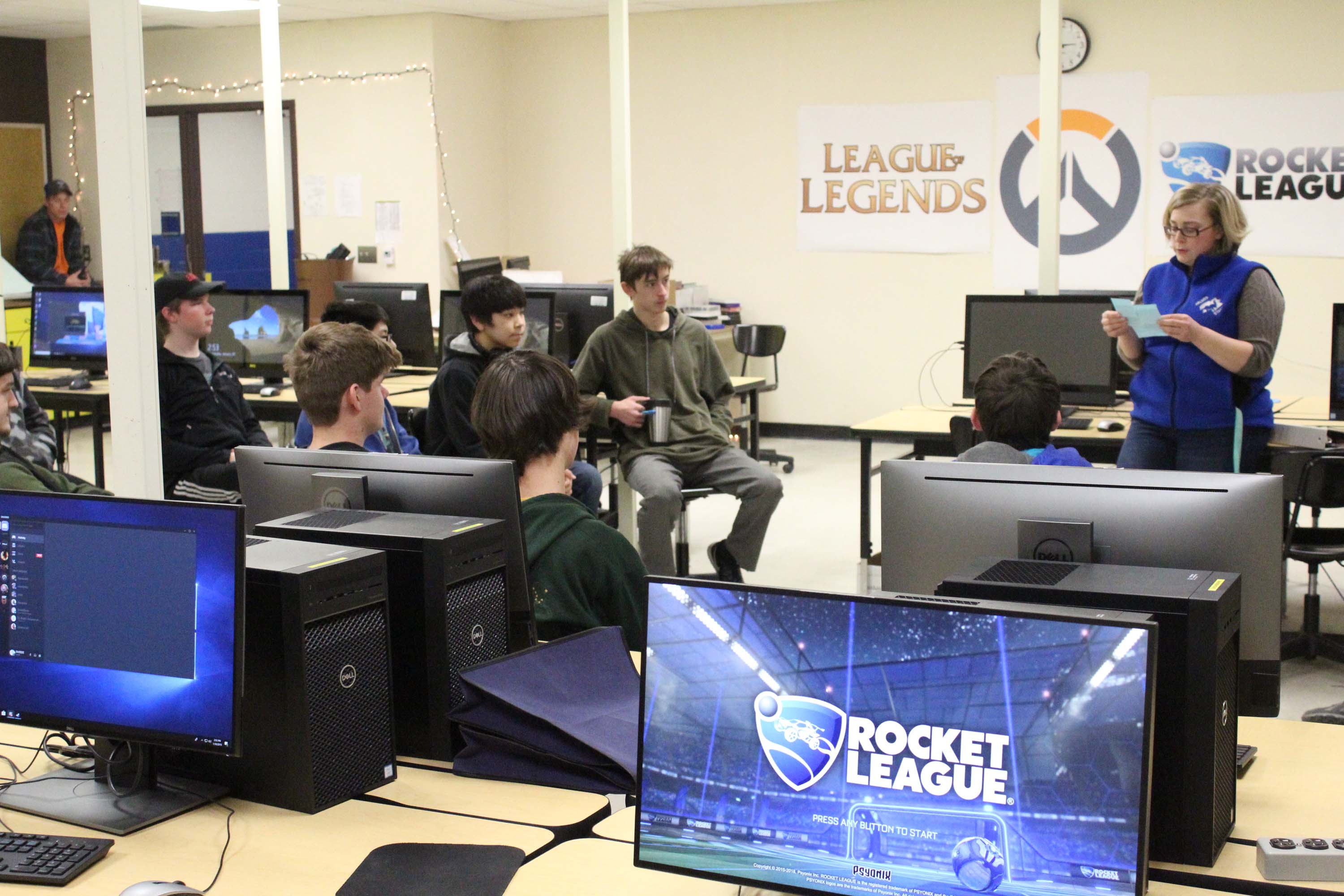
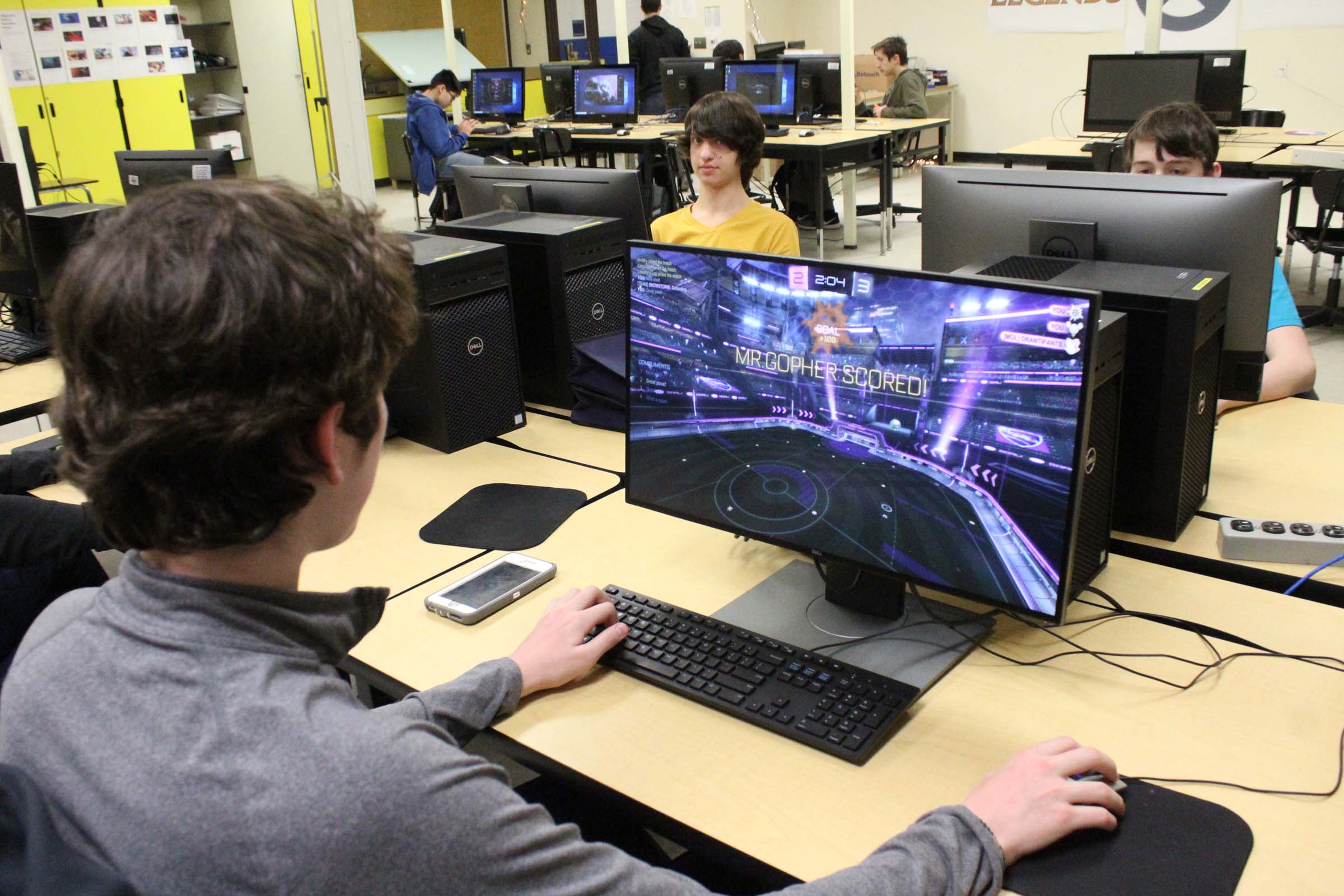
Henry and Kitzan were casual gamers before agreeing to coach esports. They’ve since had a crash course in Overwatch, Rocket League, and League of Legends, learning the terminology, characters and maps to be able to teach the high school’s gamers.
“Our goal is to give them something that attaches them to our community,” Henry said. “They’ll be representing the school the same way that their peers do. This also leads directly to careers and college pathways.”
Part of the difficulties of getting esports off the ground was practice time. The team would spend only 20 or 30 minutes of actual game play while they waited for their updates to download. Once they got online, they had a lot of learning to do. The esports team starts each week of practice in Henry’s classroom writing personal and team goals for the week. Students have books with strategies planned out for particular maps. Even in their loss in the national semifinal, Overwatch team captain Chris Reich said the team played their best game.
“We had a lot of goals we wanted to work on so we could do better, and we practiced it before getting to that, and we did do it,” Reich said. “Even though we lost, we still made a lot of those goals.”
Henry said esports is an effort to engage students who might not otherwise belong to any community. MTA has been hand-in-hand with the Mat-Su Borough School District in the rollout and problem solving early in the fall season.
“Just having something to look forward to, to build sportsmanship and teamwork. All the things that we value with traditional sports certainly carry over to esports as well,” Palmer High principal Paul Reid said. “What’s pretty unique about it is, generally speaking those kids aren’t involved in sports. That provided them that opportunity.”
Just as the scheduling woes had been solved and better Internet made for more gameplay time, Palmer was set to compete with Colony for the state championship on Nov. 30. When the earthquake hit, Henry had to tell the Electronic Gaming Federation that the match would not be taking place and have to be moved. Part of the engagement in esports has been the competitive rivalry with other teams.
“Our Colony matches were intense. Colony was the first team that our Overwatch kids played in the fall and they kicked our butts. We lost quickly,” Kitzan said. “Because so much had changed for us from the first time that we played them, we learned so much and improved throughout the season that we were able to come back.”
Palmer defeated Colony for the right to play Dimond in the state championship where they eventually lost. The match went the full five games and came down to the last map on the last game. The top two teams from each of the two states that have esports compete for the national championship. Colony’s Rocket League team also made nationals. Not only does esports provide lessons in problem solving, teamwork and communication, but kids enjoy playing video games with their friends at school rather than at home. Part of what Henry and Kitzan are teaching is digital citizenship. Each game comes with their own chat options and coaches monitor chat and do not allow their team to trash talk.
“Digital citizenship is a big part of esports. We’re looking to make sure they have career and college pathways. That’s important. We’re looking to get them connected to the community, build those skills by talking to other people and being resilient in the face of getting your butt kicked week after week,” Henry said.
For gamers, the weight room and the playing field are located at the same place inside the computer lab. Henry and Kitzan are helping to establish interest that blossoms into career opportunities. Henry marvels at the EGF coordinator who is constantly online for support, having made a career out of esports. The coordinator will Skype in during this semester to offer expertise on how to use gaming as a career path. A diverse group of students make up the esports team, and some already have plans to try and turn their love of gaming into a career. Others just enjoy spending time with their teammates.
“I’m definitely going to stream when I go into college because that would help me pay for stuff and that would be very useful so I don’t go into debt. Plus, I’d just love to get a career in it and do nothing but game because that would be sweet,” Gibson said. “Then I would get to do what I love.”
Contact Frontiersman reporter Tim Rockey at tim.rockey@frontiersman.com.

By Kyle Wilkinson Kyle in the outside Our spring bear hunt was bittersweet this year. We’re heading home without

Frontiersman.com Valley athletes earned titles during the Region III Championships track and field meet last week at Colony High

Leila Petersen Palmer Moose Leila Petersen, a member of the Palmer track and field team, has been named a Frontiersman

By Jeremiah Bartz J’s World August would have been the start of my 25th year as an editor at