Retiring teacher, coach urges Colony grads to ‘find their 68’
By Jeremiah Bartz Frontiersman.com A football coach using a hockey reference as the centerpiece for his keynote address may


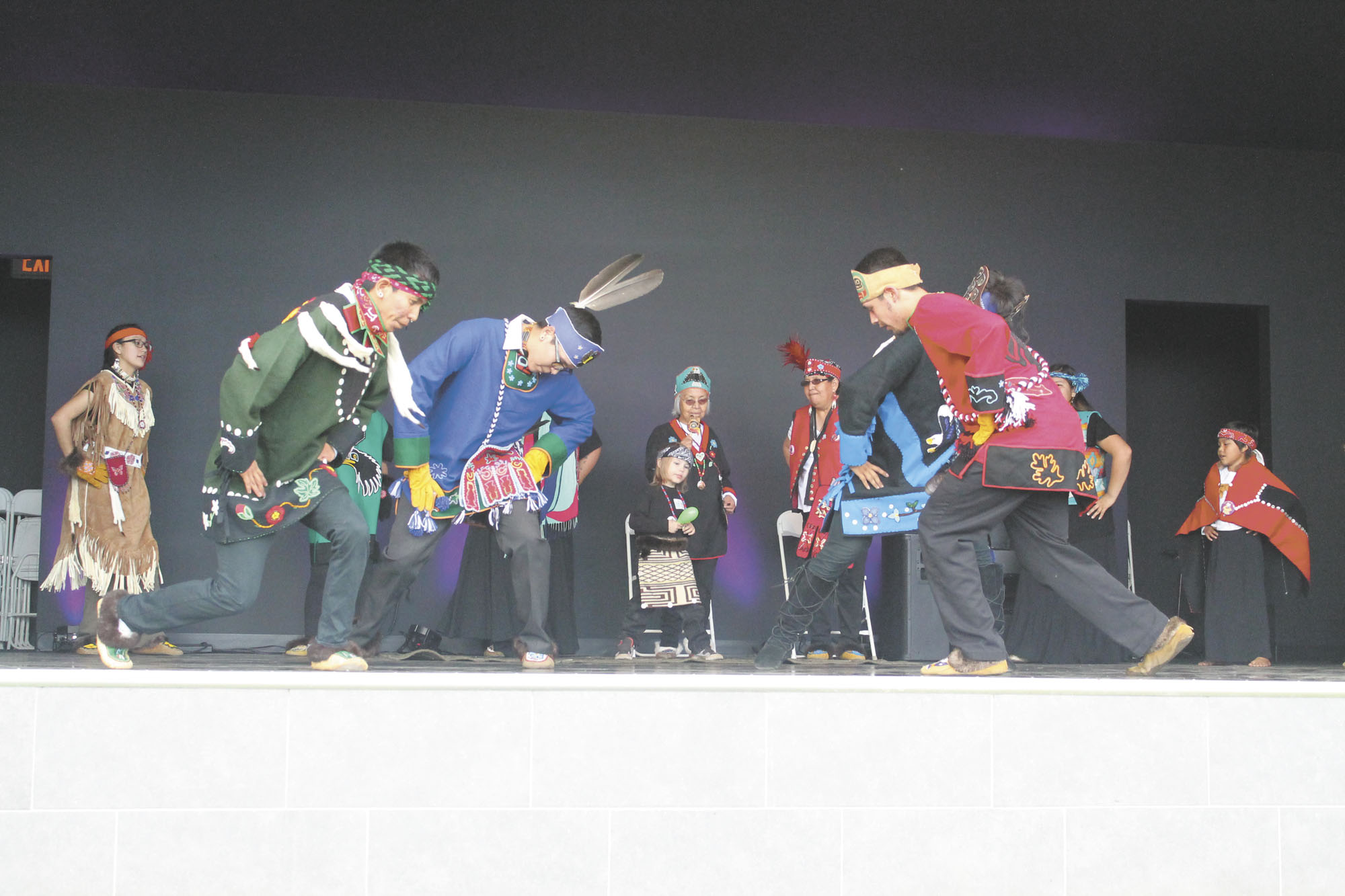
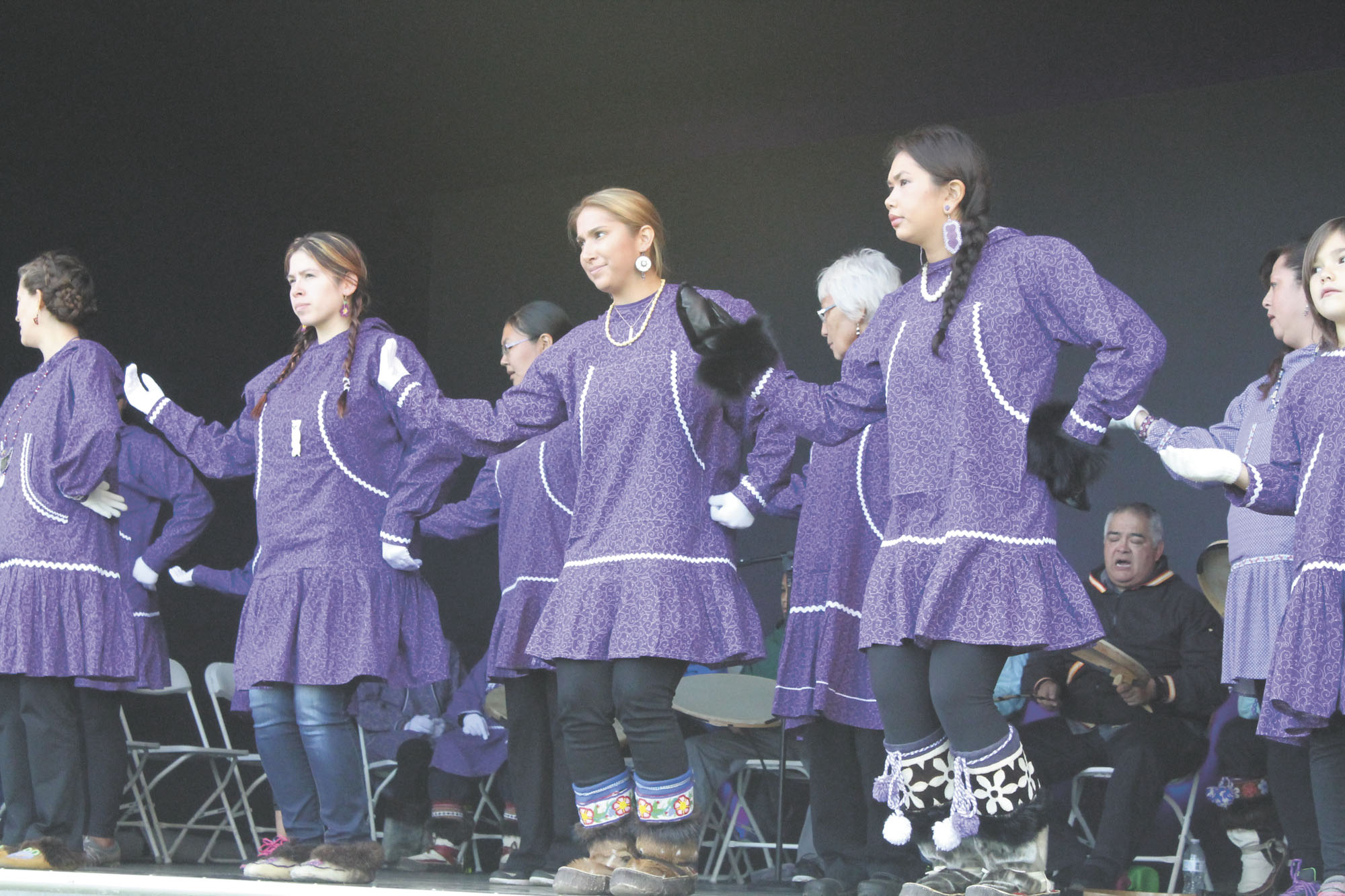
PALMER — Saturday was a landmark day for the Alaska State Fair, and for its Native populations, as The Gathering Place's Dena’ Stage was dedicated, giving a title and permanent purpose to a stage built last year to celebrate indigenous cultures.
“It just means a place where we can come and share our culture in a dedicated place,” said Loren Anderson of the Alaska Native Heritage Center in Anchorage, who led a show of Suqpiaq dancers. “Every performance is an educating moment, and every time there’s an opportunity, we’ll take it.”
In many ways the dedication of the stage was a symbol of a blending of old artistic traditions in the Native communities, to the new. A message best personified by the act which followed the Imamsuat Dancers, Byron Nicholai and his show “I sing. You Dance? Old Stories from a Fresh Perspective.”
Nicholai is an 18-year-old Yup’ik member, who became an Internet sensation a year ago with his YouTube parody of Nicki Minaj’s song “Anaconda.”
What started as comedy soon became a serious opportunity for Nicholai to spread not only his music, but his culture.
In Saturday’s performance he performed his first rap in Yup’ik, which he said, will almost surely be the first rap recorded in Yup’ik on iTunes when his second album is released this fall. His first album was called “I am Yup’ik” and he’s not sure what the second will be called yet.
“I thought maybe I should make more hip hop sings and record what I have to the album,” Nicholai said. “In Yup’ik, a lot of words rhyme.”
Blending his show with the new, the old and musical ventures never before dared, the young drummer/singer is confident about standing at a crossroads between generations.
“These songs and these videos are not traditional, they’re a little more modern,” he said. “I’m trying to engage with youth my age and show them something they might like.”
Nicholai said that while at the fair he was approached by a woman who taught in a Native Alaskan village. What she told him encouraged him he was doing the right thing.
“She said I inspired some students to (do traditional) dance during a talent show,” Nicholai said. “I didn’t know it would go that far.”
Nicholai played his first Alaska State Fair last year. He said having a dedicated Native arts stage there is valuable.
“It’s something where Native groups can just come here and show people their culture,” he said. “If people come and watch, that’s a very good thing. A lot of cultures perform right here and a lot of people will see them.”
The inaugural use of the stage also included World Eskimo-Indian Olympics traditional games demonstrations, Alaska Native honor and storytelling, and the Inupiaq blanket toss. Each day of the fair, different Native groups will perform on the newly dedicated stage.
The 19-strong Tlingit and Haida Dancers of Anchorage were one of two groups taking the stage Friday. After the group’s first performance of the day, Tlingit member Christopher “Koodéi” Sundum was the stage spokesman during the group performance. He said his people perform in man places throughout the state of Alaska are pleased to have a place like the Dena' Stage.
“We appreciate having a special place to come and dance. It is said we begin to dance in our mother’s womb,” Sundum said. “Our group goes to a lot of fair gatherings. This is my first time (as group spokesman) speaking on stage. It’s nice to have a (dedicated) place where we can share our culture.”
Frontiersman reporter Chris Ford contributed to this report.
Contact editor Matt Hickman at 352-2268 or matt.hickman@frontiersman.com
CHRIS FORD/Frontiersman

By Jeremiah Bartz Frontiersman.com A football coach using a hockey reference as the centerpiece for his keynote address may

Frontiersman.com With its headquarters in Wasilla, the Frontiersman has been a primary source of news for the Matanuska-Susitna

By Katie Stavick Frontiersman.com The next generation of leaders took flight this week as the Houston High School Class

By Kyle Wilkinson For the Frontiersman Keynote speaker and Carry the Cure President Bill Pagaran’s words boomed through the