Retiring teacher, coach urges Colony grads to ‘find their 68’
By Jeremiah Bartz Frontiersman.com A football coach using a hockey reference as the centerpiece for his keynote address may


With Iditarod XLV nearing completion, it seems only fitting that someone take time now to recognize a historic musher unknown to many until recently.
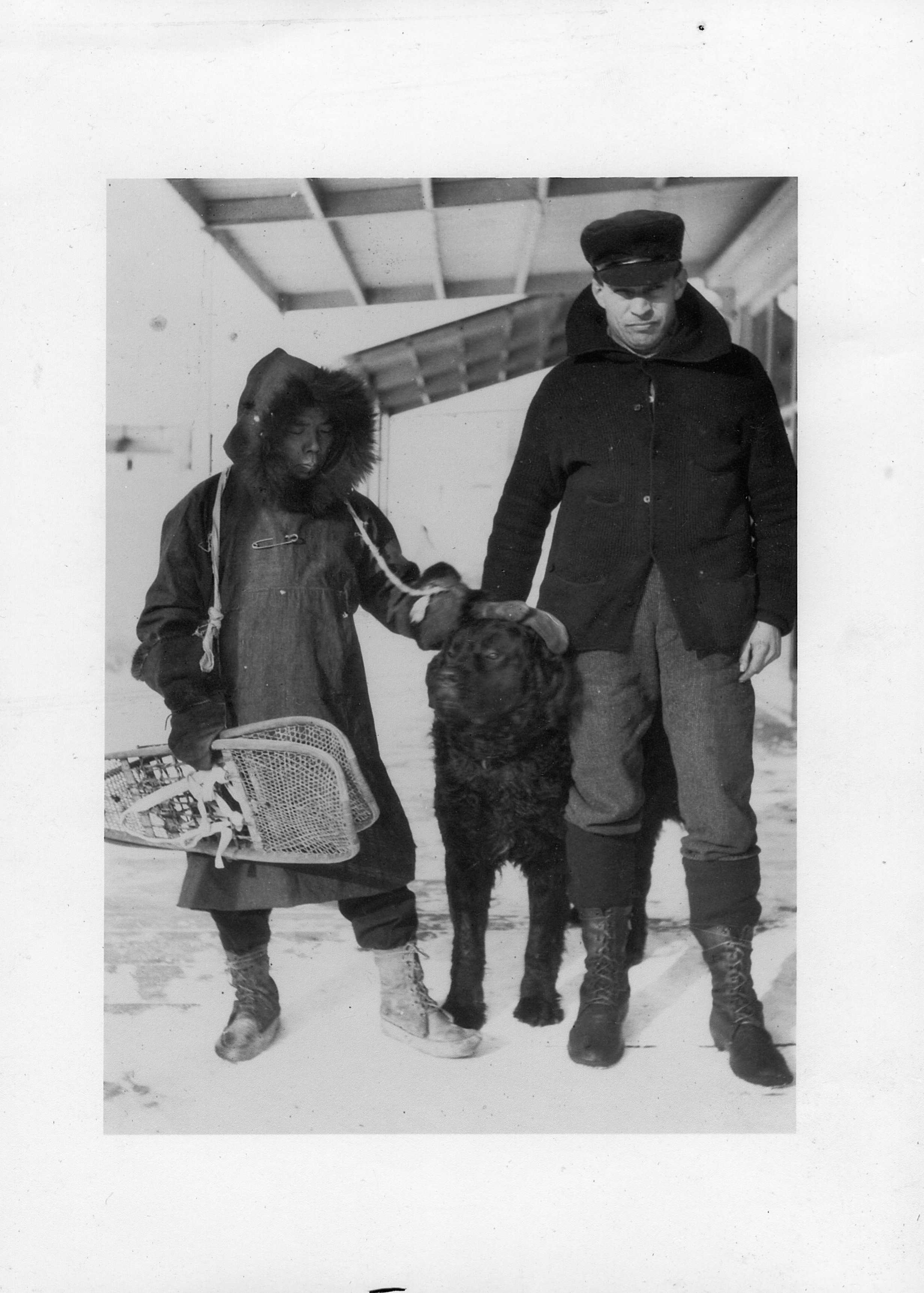
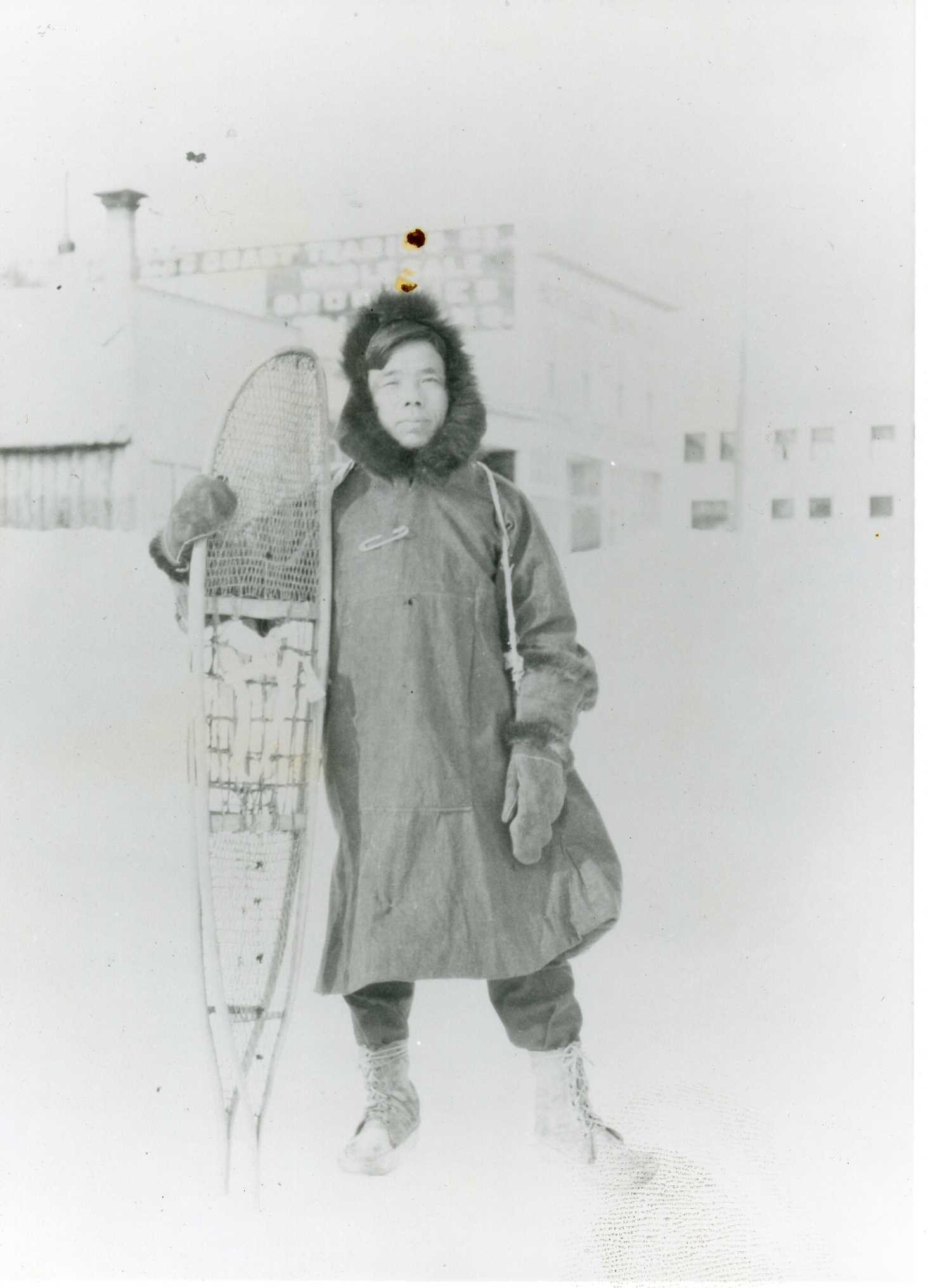
This Thursday, the University of Alaska-Fairbanks continues its monthly centennial celebration with a presentation by professor Tony Nakazawa on the Japanese “samurai musher” Jujiro Wada. Wada is credited with having established the historic dogsled trail from Seward to the town of Iditarod at the turn of the 20th century, and is honored by a life-size bronze statue erected in downtown Seward last summer. There is also record of him traveling to the Knik area by dogsled.
Though only about half of Wada’s trail overlaps the Iditarod race course, it was used to transport much needed supplies between mining communities, and earned Wada the titles of “explorer,” “pioneer” and “adventurer.”
“He’s become sort of a local folk hero,” here and in Japan, Nakazawa said.
But it wasn’t only Wada’s land travels that gained him such status. Wada first immigrated to California as a teenager, and was “shanghaied,” Nakazawa said, onto a whaling ship bound for the arctic. When the ship would make port, Wada would befriend and learn the language of the local villagers, to the point where some considered him to be an “eskimo” himself.
A little more than a decade later, Wada traded the seafaring life for one on land. In addition to mushing, Wada ran (and won) three indoor marathons, Nakazawa said, each with a cash prize. A good portion of the money Wada earned from racing and from working in Alaska went to his mother back in Japan, along with letters describing his experience.
Last May, a musical based on Wada’s life, called, “Chasing the Aurora: The Samurai Musher,” came to Alaska for the first time, with performances in Anchorage and Fairbanks. Wada’s bond with his mother alone, Nakazawa said, makes his story “almost like a tear-jerker.” Beyond that, it’s also a reminder of the diversity that still exists in Alaska.
“Alaska is made up of a lot of different groups of people, and I think that’s a really important message to keep embracing,” Nakazawa said.
Nakazawa’s own family hails from Japan, his grandparents having immigrated to southern California in the early 1900s. With talk in the political sphere of closing America’s borders, he said Wada’s story is especially timely.
“There’s many Wada-like stories that will help people know more about their communities and the impact that the people coming to Alaska have brought from their various cultures,” Nakazawa said.
The future of Alaska’s relationship with Japan and the state’s connection to Wada is further cemented by the sister city bond between Wasilla and Uchiko in Ehime, Japan — Wada’s home region — officially forged on May 1, 2015.
To learn more about Jujiro Wada, attend Nakazawa’s presentation in Room 208 of Kerttula Hall at the Matanuska Experiment Farm in Palmer on Thursday, March 16, from 6 to 7 p.m. The free presentation includes a news feature clip on Wada from Japan’s national broadcast network, NHK, and recent video shorts from Kansai Broadcast, along with a behind-the-scenes description of the filming that took place in Seward last summer. Nakazawa will also provide updates on future filming that may occur, as well as copies of last year’s musical performance on Wada.
Call the Mat-Su Cooperative Extension office for more information at 745-3360 or 745-3551.

By Jeremiah Bartz Frontiersman.com A football coach using a hockey reference as the centerpiece for his keynote address may

Frontiersman.com With its headquarters in Wasilla, the Frontiersman has been a primary source of news for the Matanuska-Susitna

By Katie Stavick Frontiersman.com The next generation of leaders took flight this week as the Houston High School Class

By Kyle Wilkinson For the Frontiersman Keynote speaker and Carry the Cure President Bill Pagaran’s words boomed through the