Retiring teacher, coach urges Colony grads to ‘find their 68’
By Jeremiah Bartz Frontiersman.com A football coach using a hockey reference as the centerpiece for his keynote address may


Options for substance abuse disorder treatment in the Matanuska-Susitna Borough have seen a steady increase in availability over the past decade. Yet there has remained a missing piece in the services available for people who need help with withdrawal management-what has been commonly referred to as detox.
True North Recovery has been hard at work to bring withdrawal services to the Borough with a new withdrawal management center set to open later this month called Day 1.
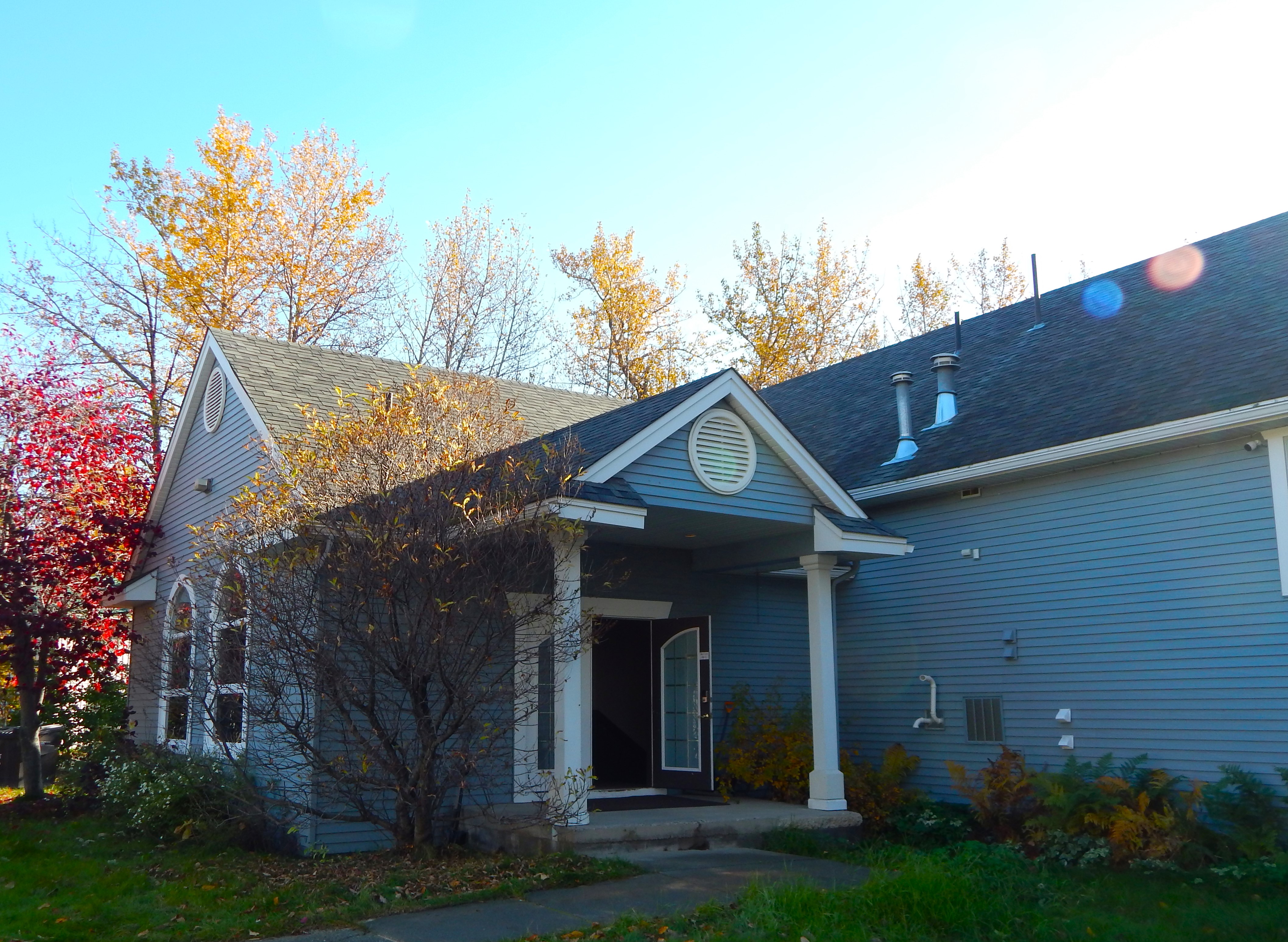
The Frontiersman recently got a peek at the new center, which looks and feels like a big, warm home, which is the point.
“As a reality, we don’t know if the people who come in here will stay sober, we don’t know if they’re going to a have a job, education, or a happy, healthy life when they leave us. What we can dictate is whether they feel loved,” says James Savage, Director of Operations for Day 1, of the homey, comfortable vibe of the withdrawal management center. He and new Clinical Director Ivy Villani gave a tour of the facility while it is still undergoing renovations.
“When you walk into a facility like this, where somebody has clearly spent time, effort, and money, it’s easy to feel loved.”
One unique feature to Day 1 is a facility within called the Launch Pad. The vision behind the Launch Pad is before someone can make the transition to recovery, people sometimes just need a meal and a safe space to land.
Initially, Launch Pad was not going to be part of the Day 1, but something that needed to be addressed.
“It is a spinoff of the ‘Crisis Now 23-hour Stabilization Program’. It is a peer-led crisis stabilization based on something known as ‘The Living Room Model.’” says Savage.
While the Launch Pad will not be a 23-hour center, it will be able to some basic human needs.
“It is going to be open 12 hours a day, from 9:00 am to 9:00 pm, still offering a wide window of services,” explained Villani.
The idea is that a peer counselor will engage with someone seeking help, assess basic and immediate needs and be able to offer access to a provider who can help within that same day on up to week, as opposed to a usual wait of six weeks.
“There will be a Behavioral Health Walk-In Service area with paperwork, there is a snack closet with snacks, drinks, all the things people may need. A space for a hot shower, dry clothes, people who need help applying for treatment, whatever community based services,” says Savage, adding “It’s really hard to come in and start talking about overarching life goals when your feet are cold and you haven’t had a shower in a week.”
Additionally, there will be 2 medical staff on board to provide all the medical necessities for people wanting to engage in treatment services including Tuberculosis testing, physicals, wound care and treatment for bruises and sores often associated with addiction or alcoholism.
An integral part of the Launch Pad is the Lazarus Collaborative.
As Savage explains, the Lazarus Collaborative will be a community-based response to what Day 1 will be. When a person walks into a community provider requesting withdrawal services, it could take up to6 weeks to accomplish.
“What we know is that addicts and alcoholics say they’re ready, when they’re at that point to make a change, that window of opportunity is very narrow. Making a phone call every single day to a facility that offers detox services is not real.”
He says that the Lazarus Collaborative will streamline the access to care, working alongside other detox providers, primary care providers, MAT providers, community-based mental health providers and others and get people access to those services in a timely manner.
“It is a collaboration of 9 community providers that have agreed to give community members a streamlined access to care. It’s also a place to come in and get your needs met, get some food, maybe take them into the community, sit down and have a conversation” explains Savage of the wraparound services.
Another collaborative element that Lazarus offers is that the case managers are right in the mix with the people they are helping.
“They are there to be where you are. They’re not there to tell you you’re doing it wrong or plan for you or make decisions for you. They are there to help you achieve your plan. They will meet you where you are and help you get to where you need to go,” Villani added.
“With the Lazarus Collaborative, there’s no way to leave. The client success looks very different. Success means they’ve stayed engaged with a community care coordinator and are trying other options, finding what works best for them.”
The salient point of Lazarus Collaborative that Savage emphasizes is the community care coordinator, a person who will walk alongside someone through the intake process and be there along the process.
“Something noteworthy is that the providers have a unified ROI, meaning anyone who comes to them, who tells their story, what got them have the issues they have, they only have to do that once, which eases their burden.”
Upstairs in the building will be the withdrawal management, offering a living room space, a dining space, clinical spaces and 8 beds in 3 bedrooms with their own bathrooms. People will share meals in the dining area, participate in groups, and other activities.
There is also a space for Medically Assisted Treatment (MAT), an option for some who need assistance going through withdrawal. Day 1 has a contracted psychiatrist who can prescribe MAT therapies such as Subaxone, Sublocade, Vivatrol and other medications.
Savage explained that there is also going to be a Mobile Crisis Team that will be able to respond to the community via MATCOM dispatch, Public Safety into the ambulance out to the community. For now, it looks as if the team will be housed in Day 1 itself, though options are on the table to eventually move that section into a separate outbuilding at a later time.
“This is going to fill such a community need, to know we’re going to be able to say yes,” said Savage.
Day 1 will ideally have a 5-7 day turnaround as it pertains to the withdrawal management, versus the heavier withdrawal management centers where constant monitoring and treatment may be required.
“We’re operating at a level where people can come in, go through withdrawal and be able to get to a level where they can go into a residential or outpatient treatment after 5 to 7 days,” Villani explains.
“This is more of the immediate ‘let’s get you through the yuck, let’s get you onboard and see what you’re really committing to, and let’s get you where you need to be,’” she added.
One aspect that is a source of pride for Villani is the community involvement that Day 1 will be receiving, and also extending, explaining that “While we’re going to be of service to the community by offering all these amazing things, we are also offering the community to come in and participate.” She said that nationwide and statistically-speaking, when looking at addiction, recovery needs community involvement.
“You need everybody onboard, we need to do this together. When you don’t have that, there’s a boundary. Getting the community involved helps erase that boundary.”
When asked what regular community members can do to support Day 1, Savage says the best thing is for people come and see the building and see what Day 1 is all about.
“Come see that this is built with love and the idea of helping their loved ones, or themselves. Come see that its individuals that have been through some things themselves that are now willing to help others go through those things as well.”


By Jeremiah Bartz Frontiersman.com A football coach using a hockey reference as the centerpiece for his keynote address may

Frontiersman.com With its headquarters in Wasilla, the Frontiersman has been a primary source of news for the Matanuska-Susitna

By Katie Stavick Frontiersman.com The next generation of leaders took flight this week as the Houston High School Class

By Kyle Wilkinson For the Frontiersman Keynote speaker and Carry the Cure President Bill Pagaran’s words boomed through the