Retiring teacher, coach urges Colony grads to ‘find their 68’
By Jeremiah Bartz Frontiersman.com A football coach using a hockey reference as the centerpiece for his keynote address may


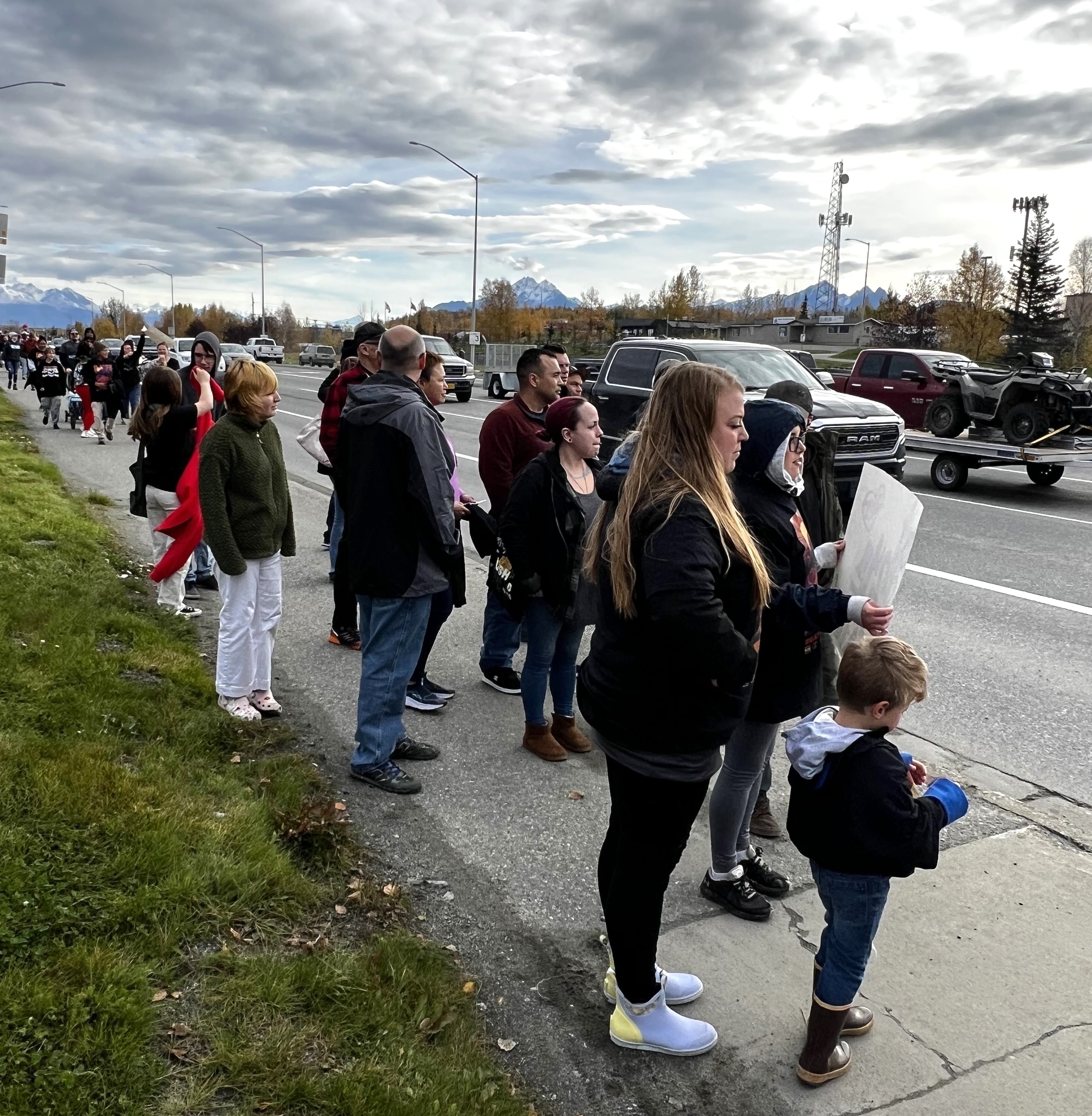
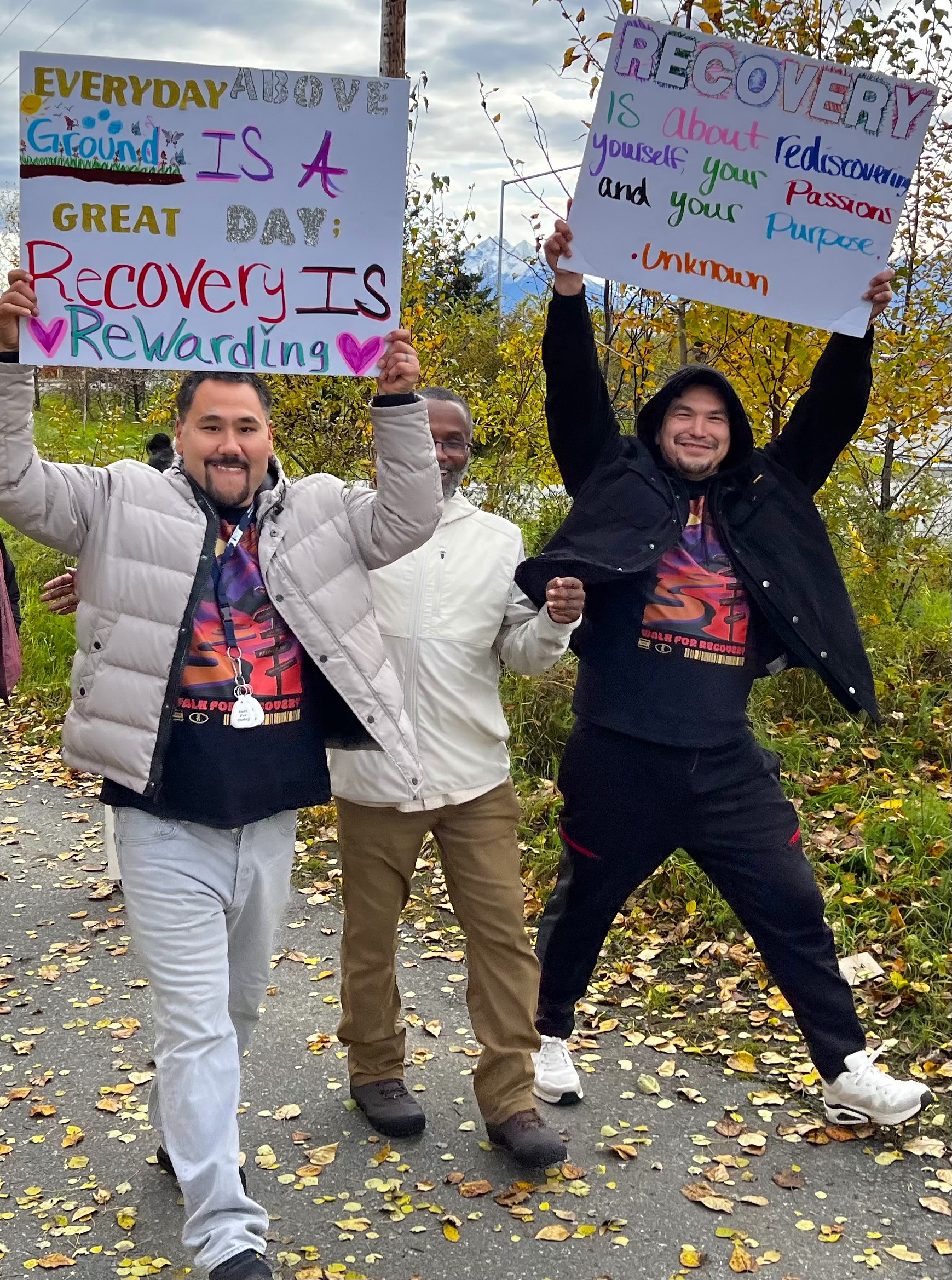
They came by bicycle, by skateboard, and foot. Some carrying signs of hope, signs of accomplishment, and signs of remembrance. But all came out and walked in support of the recovery from alcohol and substance use disorder as part of the third annual Mat-Su Walk for Recovery held on September 28 in Wasilla.
This year, the number of participants doubled from last year, which had also increased significantly from the first Walk for Recovery in 2022.
“Every year, this just keeps getting bigger and bigger, and this just shows that the community really cares about recovery and the people in recovery,” said Bryan Fields, who has been organizing the walk for three years, who was thrilled with the turnout this year and the support from the local community. “The community needs to be a part of these people’s lives. It’s the only way they’re going to rebuild their lives, to feel welcomed and a part of the community.”
“It’s crazy to see this turnout. It’s amazing to see what recovery has turned into here in Wasilla,” Joel Kentworthy said, adding that he is still trying to be an example to others struggling to get sober. “If I can get clean and get out of it, anybody can.”
People participating in the walk were quick to share their stories, with some in long-term recovery, while others had been sober for less than a month. All were working as a way to support and connect with others.
Nichola Usoltseff and Jeff Walker said they came out to participate as a way of connecting and meeting new people.
“I am in recovery and have been for 8 months, and this is beautiful. This is the reality of the word ‘connection’ and connection is what helps everybody recover,” said Usoltseff.
“It’s important to encourage others in their recovery journey. To let folks know that they’re not alone, that there are people that love and support them,” said Anthony Johnson, who came out to support friends in recovery, including Derin, who has been in recovery for six months, and Terry who had only been sober for 18 days as of the walk.
“We want to be stronger and prouder in our sobriety.”
The walk kicked off near Target in Wasilla and made its way along the Parks Highway, with drivers honking and cheering their support along the way.
“This is about fellowship and bringing awareness not only to addiction, but to recovery in the community and how important it is to be an advocate for myself and my fellow people in recovery,” said Erin Kennedy, who as of the walk, had been in recovery for 45 days.
She said she would like people to be more aware of the stigmas often attached to people recovering from alcoholism and addiction, and that despite the often grim notifications about people losing the fight to substance use, there is hope. “There are people that do recover.”
Travis Heintzman, who is nearly five years in recovery, works for True North Recovery on the Mobile Crisis Team, said for him, it was important to walk as a way to support those in recovery as well as those people still suffering, and had a message about the journey. “It’s important to normalize sobriety.”
“It’s important to make it known that it’s possible, that anyone can do it. There is help out there; no one has to do it alone.”
“I think this is really amazing, when I see faces here walking that I thought I would be reading their names in the candlelight vigil held in the spring. Instead, they’re here, they’re alive, they’re representing and they’re proud,” said MyHouse CEO and founder Michelle Overstreet during the walk.
“They are giving back and helping others. I truly think there’s no greater love in the community than people who’ve been there in the ditch, helping other people get clean and sober. This is really a statement about how our community works and loves one another.”
Once the walk was over, people converged at True North Recovery for food, music, and testimonies to the power of recovery and continuing to fight the stigma of addiction, but more importantly, to offer hope to those still struggling.
“We’re shouting our recovery from the rooftops,” said Fields. “We’ll be here, whether you’re ready for recovery or not. We’ll be waiting for you.”

By Barbara Hunt Palmer Buzz It was 6:43 on Friday morning and the Plant Owner was sound asleep when

By Kyle Wilkinson Frontiersman Memorial Day Weekend was filled with a variety of events in Willow. From live music to

By Kyle Wilkinson For the Frontiersman The Susitna Valley Emergency Preparedness Fair will be held at the Willow Community Center

Frontiersman.com Mat-Su Regional Medical Center was awarded an “A” Hospital Safety Grade for the 5th consecutive grading round