Retiring teacher, coach urges Colony grads to ‘find their 68’
By Jeremiah Bartz Frontiersman.com A football coach using a hockey reference as the centerpiece for his keynote address may


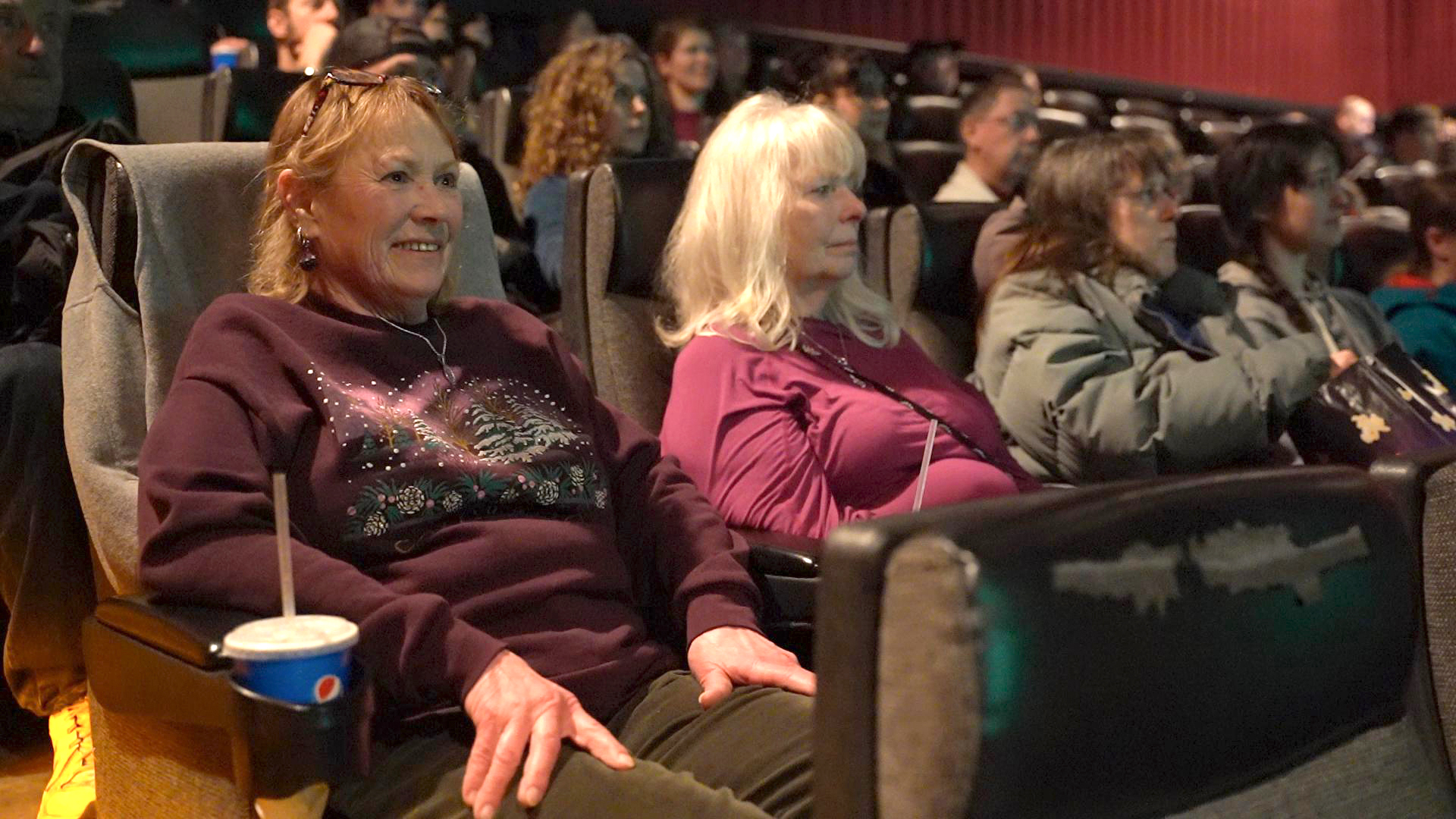
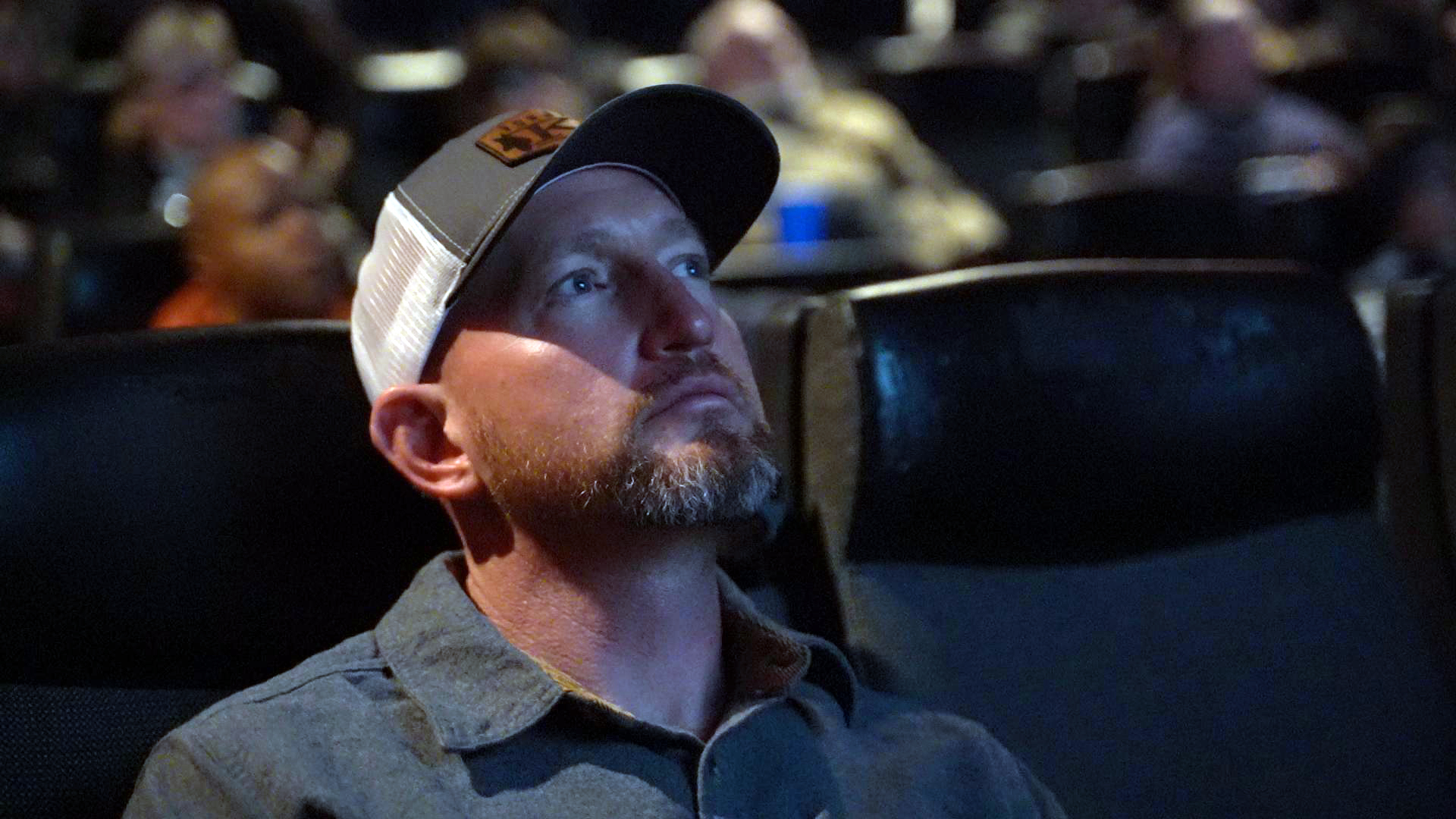
On a blustery, snowy Saturday afternoon, at a local movie theater, a group of active duty, veterans, First Responders & Law Enforcement Officers of all ages gathered together. Not for a farewell or reunion. This was an invitation-only event to a special movie screening of the hit movie “Dog.”
“Dog” tells the story of an unlikely bond between Lulu, a battle tested Belgian Malinois suffering from PTSD after serving as a K9 in Iraq and Afghanistan and is considered too aggressive to continue active duty; and Briggs, an Army Ranger who is also suffering from PTSD after multiple Traumatic Brain Injuries he received while deployed. Briggs is lost without the community and sense of purpose he found in the Army, and is desperate to get back to active duty, which is how he ends up taking Lulu to Arizona for the funeral of his former handler.
The special screening was organized by Dr. Sean McPeck, owner of the Tier 1 Veterinary Medical Center in Wasilla. Dr. McPeck is also an Army Veterinarian veteran served as a Special Operations Veterinarian, a Sniper Team Leader and as a Veterinarian while with the United States Special Operations Command. He put together the first Comprehensive Canine Conditioning Program, which is still being used by multiple SOCOM units, first responder units, and local law enforcement. He has also worked to rehabilitate canines who have suffered from both mental and physical trauma.
“It’s about re-investing in the local community. Any way I can give back is important, and being able to do this means a lot, being able to recognize our military and law enforcement,” McPeck said.
In “Dog,” Briggs and Lulu are literally the walking wounded as they set out to prove they still have what it takes. And suddenly a comedy like the 1980’s comedy “Turner and Hooch” develops a conscience about who we send into battle and more importantly, who comes back from battle.
“Dog” is based on several extraordinary true stories of military dogs as well as the love between pets and their owners. The movie is a comedy, but it is the portrayal of someone unable to let go, struggling to find his way, all the while denying that there is anything wrong physically or mentally, gives a depth to it. The movie shines a light on the struggles of veterans-human and furry.
McPeck is good friends with the handler on whom “Dog” is based. He also treated Layka, one of the dogs whom this story is about.
Tier 1 hosted a guest speaker for the event, former Army Ranger Donovan Hunter. Hunter served eight years in the Army, five of those as an Army Ranger K9 Handler with eight deployments overseas under his belt. He was first featured in the documentary “War Dogs: A Soldier’s Best Friend,” which coincidentally was produced by the (human) star of “Dog,” Channing Tatum.
It was that meeting and work on the documentary that led to Hunter’s role as a military and canine advisor to “Dog.”
“I worked with Channing on ‘War Dogs’ and on this film and was impressed with the way he would watch and study the interaction and with handler and dog,” Hunter said.
Hunter appreciated the drive for authenticity the stars and filmmakers conveyed while making the movie as well as in the final film itself.
“They really wanted to touch on some of the issues that soldiers have when they do leave [the military].”
Even though the movie does not depict war itself, it was still important for the production crew to understand how a former soldier, and specifically a Special Forces combatant would interact outside of the military, something that Hunter wanted the audience to remember as they watched the film. The film was unique in portraying the realities of what military members go through once their career is over, not necessarily the glossy Hollywood portrayal of PTSD.
“The training that goes into becoming a Ranger, the experiences that the main character no doubt went through, does change the way a person interacts with his...lifestyle, his family. It no doubt carries over into the way he behaves once he gets out.”
When asked about his time working as a dog handler, Hunter reflected on how rigorous the selection process is not just for the men who volunteer to become a Ranger, but for the dogs as well, explaining that he was partnered with three dogs before they selected the dog he eventually worked and deployed with while in the Army.
“The K9 training kind of follows a very similar path that a Ranger follows when becoming a Ranger. The Ranger signs a contract…and if he fails, quits, or cannot continue, he is instantly removed from that pipeline to fit the needs of the Army,” Hunter said during opening remarks before the film.
The same process the Rangers goes through, the dogs also experience. Not every dog will make it through training. The canines go through a selection process, complete an 8-week civilian training course with their handlers and then move on to a finish course with the Regiment. Even at this point, the dogs have seen and done things that no other dog is expected to perform.
One such task Hunter spoke about is called “Breach, Bang, Clear.” After a doorway is explosively breached, another soldier deploys a flash grenade, then the dog is released, following the flash in to wreak havoc on whoever is in the room. It is then that handler and dog are separated to complete their tasks, and reunited once the target has been neutralized. The level of trust, the bond created is much different than those between soldiers. The relationship that develops with handler and dog is on par with that of a family.
Hunter transitioned out of the Army and was commissioned as a police officer with the Austin Police Department, where he was also a K9 handler, specializing in the undercover tactical Street Narcotics Unit.
“When I left, it felt like it does for a lot of others, that it was way too early,” Hunter said. A sentiment reflected in the movie. The sense of feeling incomplete, that the mission isn’t over, that life isn’t over is reverberated throughout the story.
“If they (the dogs) lose their handler, or when the war is over, these dogs behave differently, the act differently just like with humans.” Hunter strongly believes that the K9s also feel their career is over far too soon, that they struggle to find their place, and he hopes that people who watch the movie recognize the issues and struggles that both man and dog go through after the mission is over.
What made this particular event so special was the unique audience. Military, veterans, first responders, law enforcement, and their families came together to share in an experience that, as one attendant summed up, “the experience of watching this movie, with this group. With someone connected to the movie and the military made the whole thing more worthwhile. The movie was good, but it meant more to share it with the men and women, their families all here. They understand.”

By Jeremiah Bartz Frontiersman.com A football coach using a hockey reference as the centerpiece for his keynote address may

Frontiersman.com With its headquarters in Wasilla, the Frontiersman has been a primary source of news for the Matanuska-Susitna

By Katie Stavick Frontiersman.com The next generation of leaders took flight this week as the Houston High School Class

By Kyle Wilkinson For the Frontiersman Keynote speaker and Carry the Cure President Bill Pagaran’s words boomed through the