Retiring teacher, coach urges Colony grads to ‘find their 68’
By Jeremiah Bartz Frontiersman.com A football coach using a hockey reference as the centerpiece for his keynote address may


WASILLA — Veterans Day is often used as a time for reflection across the country. Stories of soldiers, service and survival are passed down in families for generations.
Althea McAllister will be thinking about her father, Robert Fischer, this Veterans Day, looking back on a life that nearly made it 100 years.
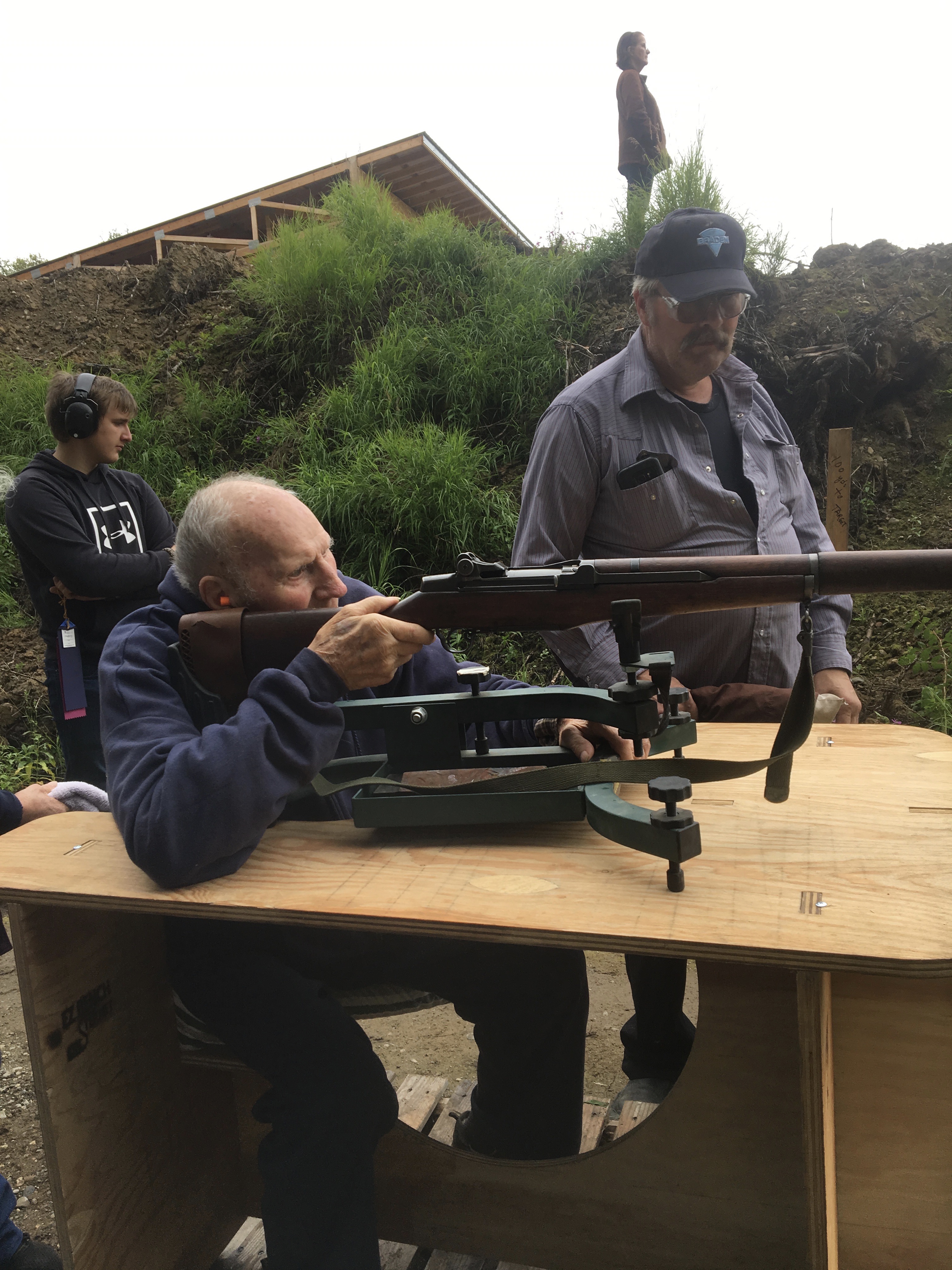
Fischer was a World War II veteran. He died just a month away from his 100th birthday party. McAllister said that she’s planning to leave flowers on her father’s grave at the family property this Veterans Day.
“He was very loyal to America,” McAllister said.
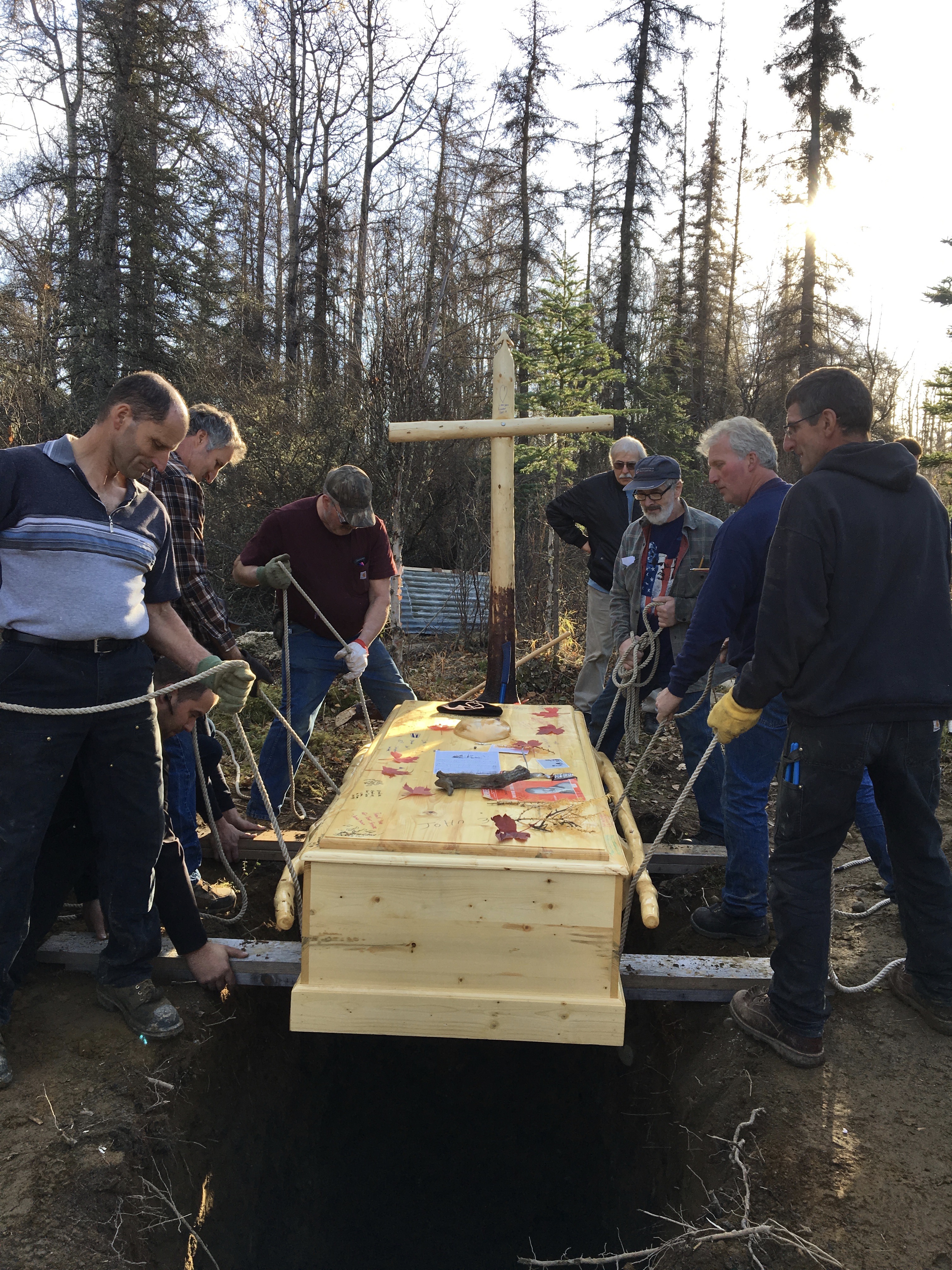
She said that she and her nine siblings all got together to hold a simple funeral with a homemade casket, a modest funeral for a man who lived modestly his entire life.
“He was very much a wilderness kind of person... He just wanted to rough it,” McAllister said. “What he did for us, we were really self reliant. We knew how to take care of ourselves.”
McAllister changed her middle name to Fischer to honor her father. She said they grew up off the grid without electricity and running water. McAllister said that he was a loving yet strict father, but ultimately softened up when he became a grandfather.
“He was an amazing grandfather,” McAllister said.
McAllister said her father was a hard worker and skilled mechanic. She said that he was an invaluable asset in the Army
“Very smart, brilliant. He could get anything running,” McAllister said.
Fischer signed up for the Army as part of the 654th Battalion in 1942, not long after the attack on Pearl Harbor. He was stationed in Europe and worked as a “human computer,” using his surveying skills to make maps and models for important war efforts like the Normandy invasion.
According to McAllister, Fischer was in the military for three years. He served in the European theater as a human computer making maps and models for the Normandy invasion and also using his surveying skills.
“He was very loyal to his country,” McAllister said.
McAllister said her father didn’t talk much about the military, but he made a point to meet up with his old military friends and attend Army reunions
“He was a very humble person,” McAllister said. “I think he was glad he could help America… He was very patriotic.”
When Fischer returned from the war, he finished his education on the GI Bill at Northeastern University in Boston with a degree in mechanical engineering. Fischer eventually met Marion Frances Pelkey while the two of them were surveying. They got married in 1952, and ultimately decided to follow Fischer’s dream and move to Alaska in 1966.
McAllister said that part of the reason why her father wanted to join the military was to work on the Alcan Highway. While he missed the opportunity to help build it, he drove it a total of 83 times in his life while visiting the various states.
The family settled on a 152-acre lot in Wasilla off the Little Susitna River in 1968. Fischer worked for the Alaska Railroad from 1967 to 1982 as a machinist.
“He always wanted to go to Alaska,” McAllister said. “He was very adventurous.”
Fischer could often be found working outside or meddling with an engine in his shop. He was a very active reader, and fiddle player who taught himself to play violin at an early age. McAllister said that her father’s active mind and healthy lifestyle free from alcohol, smoking and other vices must have been why he lived so long.
“He just kept on going, it was amazing,” McAllister said.
After Fischer suffered a stroke, his large group of children banded together to finance and construct a modern house with all the modern amenities. McAllister said they surprised him with it once it was finished. She said he told them it was the “best house he ever lived in.”
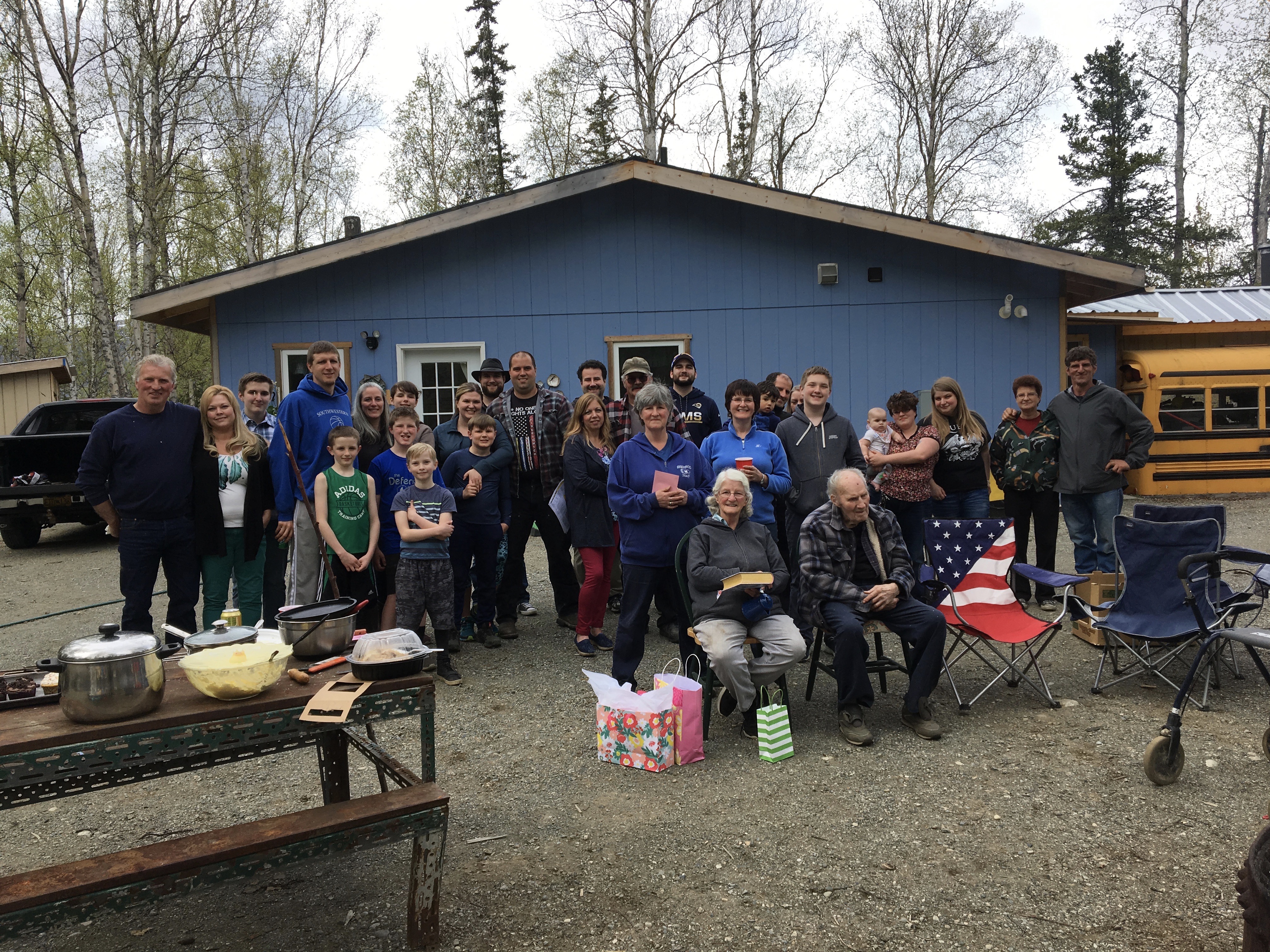
“He was really proud of his kids,” McAllister said. “When you get us Fishers together, we work together… We were always very much together, our family. I think that’s another thing he taught us, to be close to each other.”
Contact Mat-Su Valley Frontiersman reporter Jacob Mann at jacob.mann@frontiersman.com

By Jeremiah Bartz Frontiersman.com A football coach using a hockey reference as the centerpiece for his keynote address may

Frontiersman.com With its headquarters in Wasilla, the Frontiersman has been a primary source of news for the Matanuska-Susitna

By Katie Stavick Frontiersman.com The next generation of leaders took flight this week as the Houston High School Class

By Kyle Wilkinson For the Frontiersman Keynote speaker and Carry the Cure President Bill Pagaran’s words boomed through the