Retiring teacher, coach urges Colony grads to ‘find their 68’
By Jeremiah Bartz Frontiersman.com A football coach using a hockey reference as the centerpiece for his keynote address may


In recent weeks, there have been many news stories about the increase in reported overdoses and deaths tied to a bad batch of heroin making its way through the Mat-Su Valley. There is no shortage of reports of criminal behavior on police blotters. And one really has to look no further than social media feeds for posts and photos with needles, syringes and other drug paraphernalia.
Like many communities across Alaska and the United States, the Mat-Su Borough has not escaped the devastation of substance abuse disorder. Several years ago, a grassroots movement to address substance abuse took hold when a social media platform, created to reach out to people in recovery, built into something much more. Today, it is known as True North Recovery (TNR).
In October of 2020, True North Recovery opened the doors to Vita Nova Residential treatment facility in Wasilla. It is a low-intensity, co-ed residential treatment facility that can house up to 15 people. Recently several staff were on hand to give a tour and talk about the mission of Vita Nova.
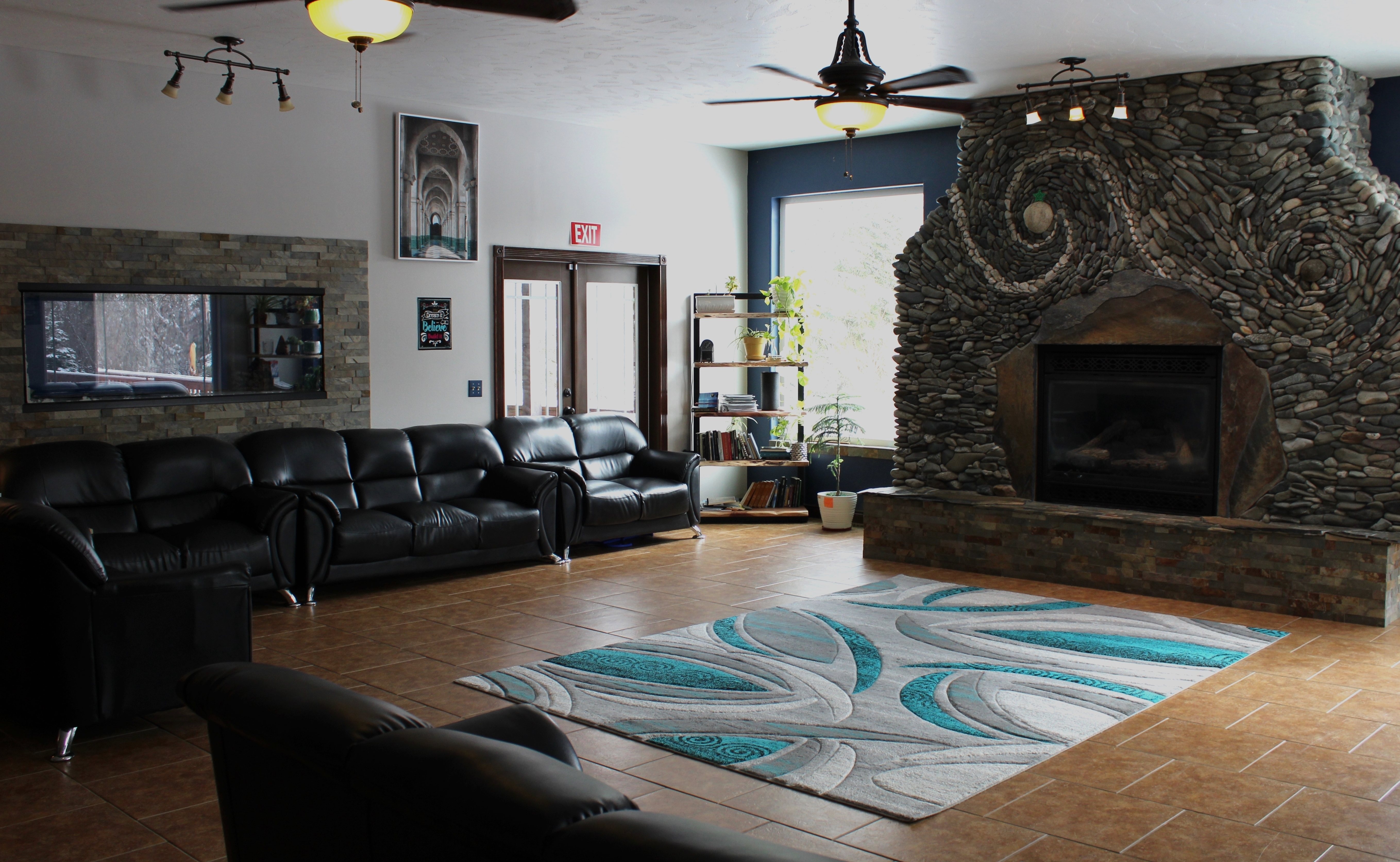
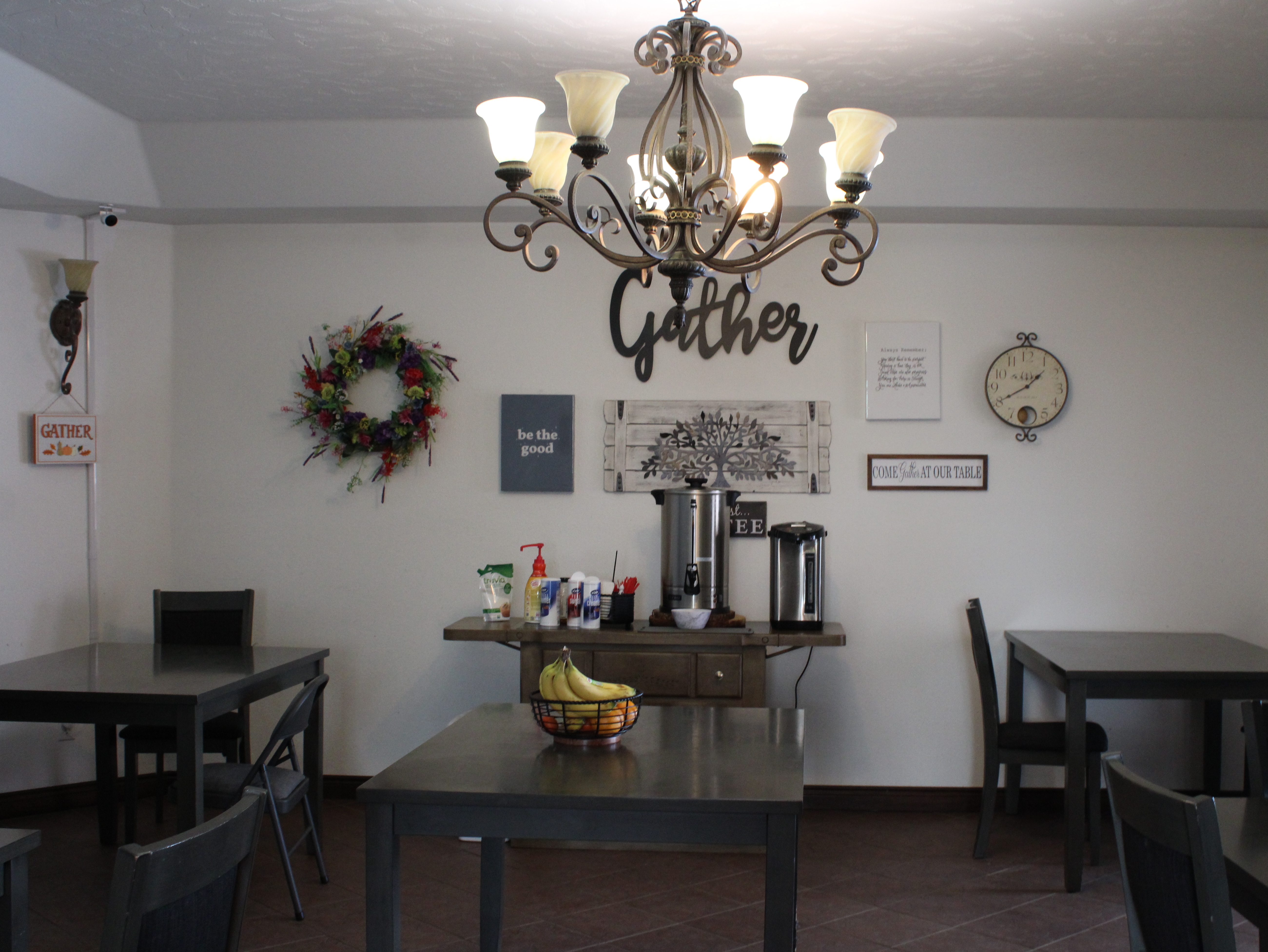
True North staff say the goal is to provide a feeling of home, which can be a far cry from what many might expect of a recovery unit for substance abuse disorders. Little touches like carefully selected furniture and homey décor in each room was all done by design.
“We don’t want the people who are here to feel like they [residents] live in an institution, so everything is purposely done to give people a sense of home who are struggling with addiction,” Erin Kraus, Chief Financial Officer and a founding member of True North Recovery, explains.
A great room has a fireplace and couches lining the walls, books, games, plants, notes of encouragement, calendars, all things someone might have at their own home. But there are also reminders that people are struggling and hard work is being done to attain sobriety.
Residents must attend daily meetings and work with a case management team that provides links to a variety of resources. There are two counselors on staff to work with clients on a one-on-one basis, and a residential peer team, “on the ground every day with the clients, providing support and feedback.
There are cameras and an alarm that goes off every time a door opens in the home. Residents have to keep separate items like razors, tobacco, and snacks in locked lockers. Most rooms are locked during the day while residents are in classes, which isn’t meant to solely keep residents out, but also teach a life lesson in being prepared.
“It’s meant for people to think and plan ahead, be ready for what the day is gonna bring and they can’t go back,” Joel Kenworthy, a peer leader at Vita Nova notes.
There are rules, much longer than found on the TNR website. Kraus explains that the rules adapt and change to meet the needs of the residents,
“They absolutely have input. Gives them a little ownership to Vita Nova,” Kraus said
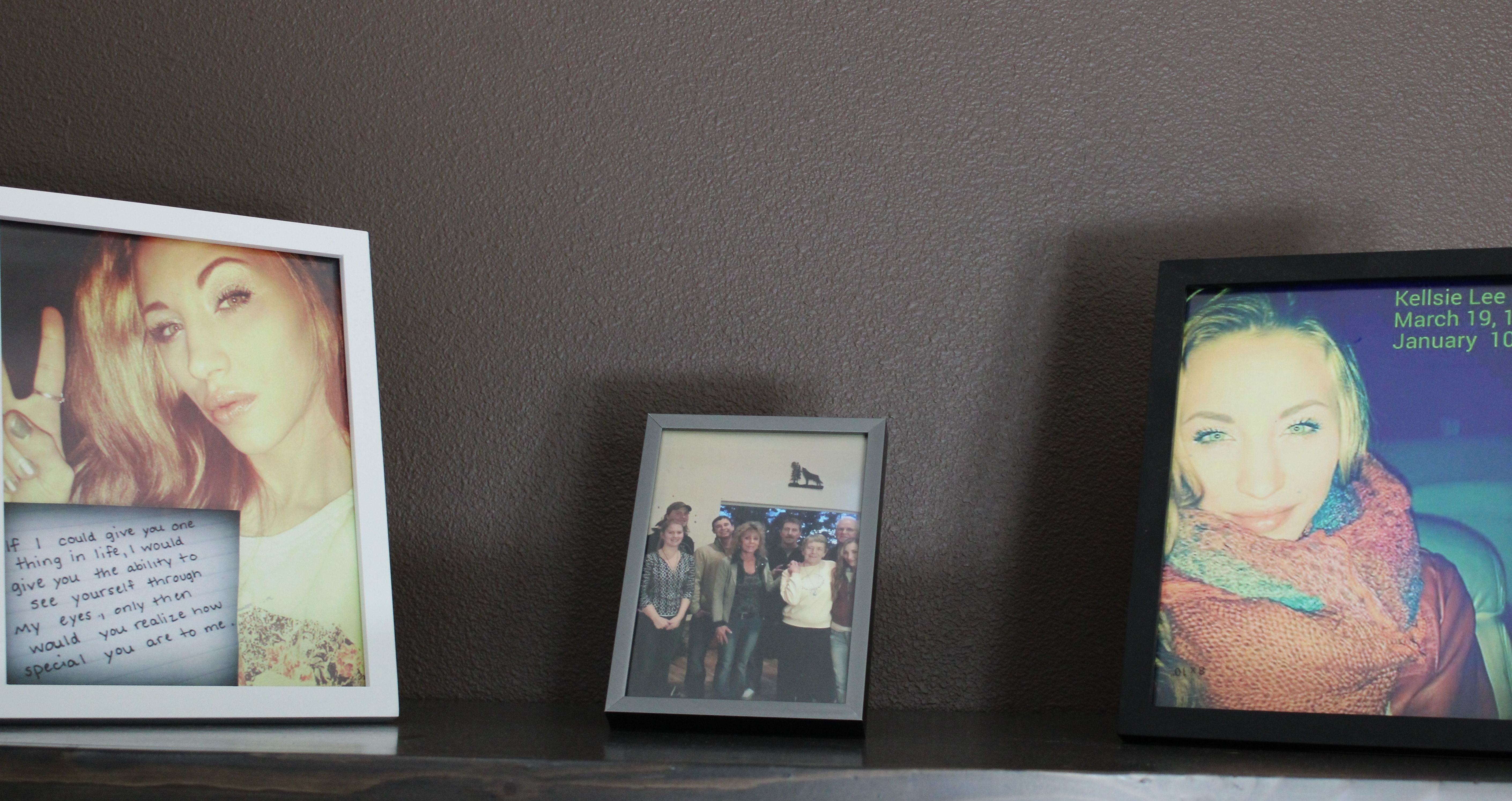
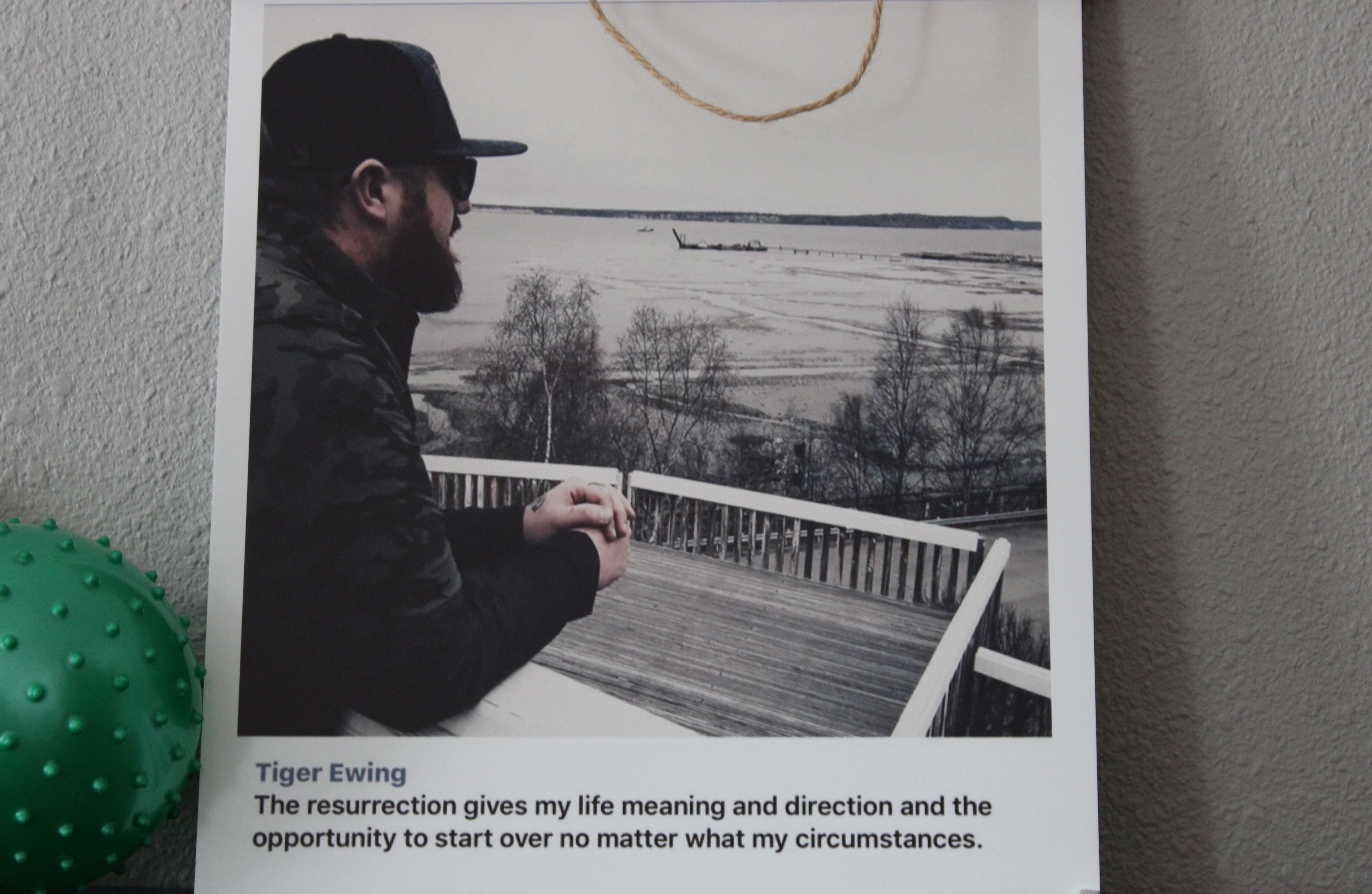
One thing that separates Vita Nova from other facilities is found in within the walls of the bedrooms. Each bedroom the residents occupy is in commemoration of someone in the community who has lost their life due to a drug overdose. There are photographs, color schemes, and other mementos reflecting the lives lost to addiction.
One bedroom, named for Kellsie Green, has photographs of the young woman playing guitar and with her family, and messages dotting the subdued room. Likewise, a bright red bedroom, dubbed the “Surfer Room,” in honor of Christopher Walden. To look upon the walls and the many photographs, surfboard, and other items reflecting his passions for family, outdoors, and fun serves as a reminder that addiction can take anyone.
Kentworthy reflects on this more when in the room named in honor of a friend, Tiger Ewing.
“It reminds us that this disease can kill,” said Kenworthy, “But also these families have established connections with us, and that helps a lot. Another reason to keep moving forward.”
“The beautiful part is that this is in a home, so it’s not a stagnant, overly-clinical environment, so people do feel at home,” adds Kraus.
It is an idea shared by Kentworthy, who himself completed the outpatient program with True North after previous attempts at sobriety. His face lights up when he speaks of the comradery he feels here, and that feeling is something he gives back in his role as a peer lead at Vita Nova.
“It’s awesome here. Everyone just gets it,” Kenworthy said.
The “it” Kenworthy talks about isn’t just the feeling of home at Vita Nova, but “it” also refers to the struggle to overcome substance abuse disorder as most of the staff have faced their own battles with addiction and our in recovery or have close familial ties with someone struggling with substance abuse.
“The beautiful part is that a majority of the staff are identified as being active in recovery, or have been affected in some way, shape or form, which really makes this place special,” said Kraus, adding that it makes the work they do that much more special.
“One of the things I enjoy about being on staff here is that we relate to the clients in a different way, it’s all personal to us,” adds Tina Skoog, chief clinical officer.
That common strand strengthens the bonds between the staff and the residents and is the driving force for the services they provide to the community, staff members said.
“We work to immerse clients into the community with all sorts of activities to get them (clients) out on the weekends and start their journey of recovery with building sober supports right out of the gate,” said Skoog.
The staff is also proud to offer a seamless transition to the different levels of care, meaning that there is no “pause” or lapse in time for someone getting ready to graduate to move into outpatient care or sober living.
“They’re already introduced to their counselors, they’ve met with their housing manager, a case manager, and have those pieces in place,” said Kraus.
Having all of the necessary items that a client needs for support has helped Vita Nova maintain a very low return rate for clients who have had to come back for treatment.
“It’s based on how you’re progressing and what you’re getting out of it,” Kenworthy said.
The staff says there hasn’t been any pushback from the community, and that many might not even know that there is a home with residents trying to get well.
“With all of our programs, we’ve tried to be very open about what we’re doing, but also make those connections with the neighborhoods and try to shed a positive light on what we’re doing,” said Chloe Sylvester, director of administration.
When asked what they want the community to know about Vita Nova, Sylvester acknowledges that people will have strong opinions about what TNR and Vita Nova are doing, and while they want people to get well, there are some that say “not in my back yard.”
“But we kindly remind them about the questionable houses that are around the corner,” adds Kraus, “would you rather have the person who is stealing your stuff or the people who are trying to get away from ever having to do that again?”
“The reality is that these problems exist, and whether or not people, or the community want to acknowledge it or not, and programs such as Vita Nova are what will help resolve those issues,” said Sylvester.
For more information about and to register for treatment, call (907) 313-1333, or visit tnrak.org. For more urgent and immediate help available 24 hours a day, call the crisis line at (907) 982-HOPE.
Contact Mat-Su Valley Frontiersman reporter Katie Stavick at katie.stavick@frontiersman.com

By Jeremiah Bartz Frontiersman.com A football coach using a hockey reference as the centerpiece for his keynote address may

Frontiersman.com With its headquarters in Wasilla, the Frontiersman has been a primary source of news for the Matanuska-Susitna

By Katie Stavick Frontiersman.com The next generation of leaders took flight this week as the Houston High School Class

By Kyle Wilkinson For the Frontiersman Keynote speaker and Carry the Cure President Bill Pagaran’s words boomed through the