Retiring teacher, coach urges Colony grads to ‘find their 68’
By Jeremiah Bartz Frontiersman.com A football coach using a hockey reference as the centerpiece for his keynote address may


WASILLA — Alaska’s already unpredictable weather has been particularly peculiar in the Valley this fall. The constant climate changes and series of warm fronts contributed to numerous motor vehicle accidents and rising concerns about traversing safely over frozen lakes and rivers. Many Valley residents were taken aback by the weather, not seeing one like this in years.
As these unseasonably warm conditions rise in unpredictability, so does the need to better prepare and better become mindful when going onto frozen bodies of water. A false alarm over some people falling through the ice at Finger Lake on Thursday was a reminder to stay vigilant and exercise copious amounts of caution when dealing with warm winter ice. Snowmachining, ice-fishing, cross-country skiing, and simply saving time on travel are some of the most common reasons people cross the ice. Lack of knowledge, preparation and awareness are the most common killers during those times.
“I get a little concerned every year that folks don’t have a reality check on the conditions that are present,” said District 5 assemblyman Dan Mayfield. “It’s very easy for the folks who aren’t aware to fall in the lake,”
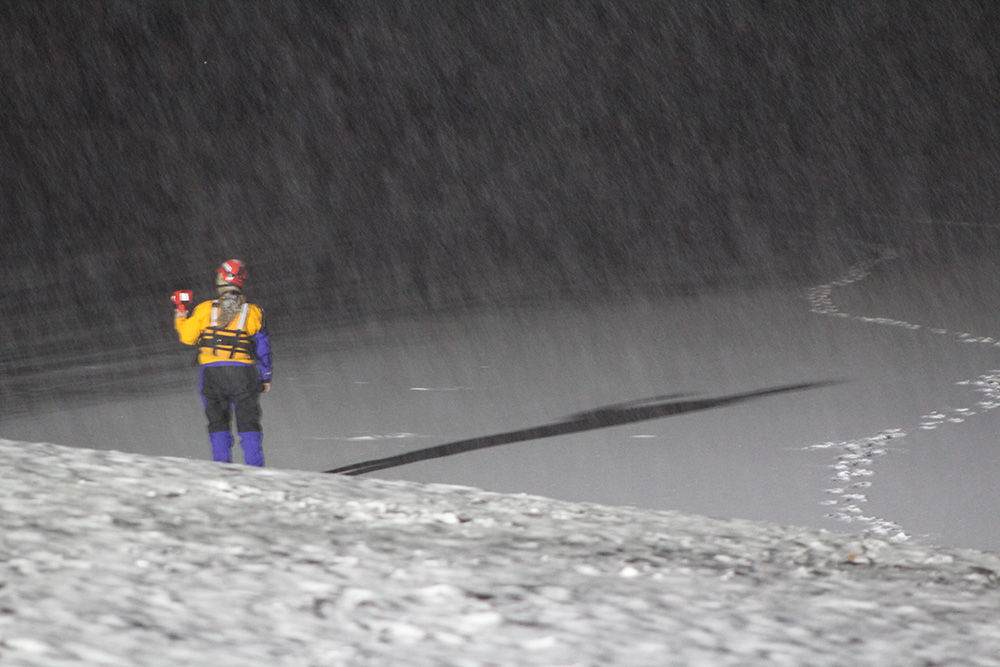
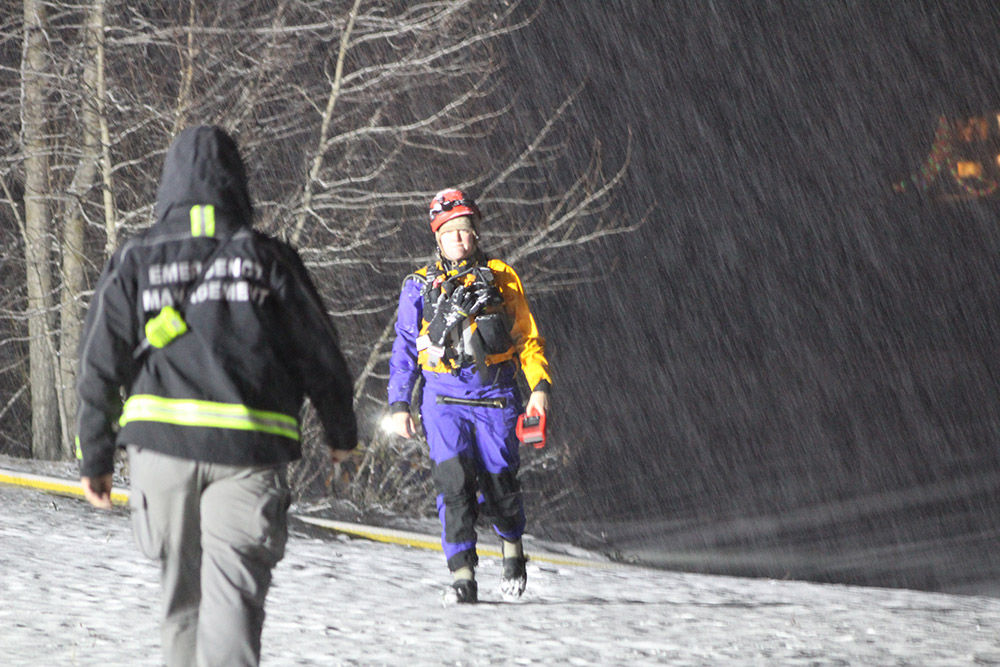
On Thursday, a call from a concerned citizen led to an investigation at Finger Lake. An Alaska State Trooper-led rescue team arrived shortly after the call. It was reported that two people — possibly wearing red — were walking on the ice and may have fallen through. Several emergency vehicles parked near the boat docks. Troopers, firefighters, paramedics, and the Mat-Su Water Rescue crew were all on the scene. After a lengthy and careful examination that included thermal detection and several walk-throughs, the search was called off. There was no indication that anyone had fallen through the ice. Trooper Pierre Burkett said despite the false alarm it was good that someone called it in. He encouraged everyone in the community to make the call if they are worried about anyone's safety.
"That's what we're here for," Burkett said.
Burkett also advised the public to only skate on bodies of water that have been designated as safe, with proper signage. Finger Lake has been known to have warm springs running through, so certain areas on the lake are warmer than others, which can lead to "hot spots." Burkett noted that with the weather changing so much this winter, to be extra cautious.
“There’s a lot of variables that can make ice unsafe,” said Three Rivers Fly & Tackle co-owner and shop rat, AJ Hoffman.
The most crucial thing to check when going out on the ice is to measure the thickness. Four to 8 inches is the typical thickness acceptable for walking on ice. Eight to 12 inches is the commonly accepted thickness for cars, snowmachines and side-by-sides, but Hoffman said that eight inches is the “bare minimum.” He personally won’t take a car onto 8 inches because he’d rather “err on the side of caution.” Twelve-inches and above is the commonly accepted thickness for taking trucks onto the ice. There are a number of ways to measure the ice like using a drill, ice auger, or chainsaw. Mayfield’s favorite method is the chainsaw.
“It’s quick and effective,” Mayfield said.
When Mayfield cuts a hole in the ice with his chainsaw, he pulls out the “plug” of ice and examines the layers to get a sample. By looking at the different layers, he can determine the stability. Last week he found a mixture of “good ice” with a layer of water in between “gray ice,” which he said was never good.
Currently no vehicles are traveling across Big Lake. This is because Mayfield and other long time residents regularly check the ice and even share the information with each other. There are no official ice samples taken by the Borough or any other entity. All ice samples from the lakes and rivers are done by volunteers like Mayfield. He’s put in many hours clearing trails over the years. He said that when it’s safe, he and his Big Lake neighbors not only ice fish and snow machine out on the lake, but also use it as a shortcut, getting to and fro faster and with less moose.
“It’s a way of life,” Mayfield said. “We love our lake.”
Both Mayfield and Hoffman stressed the importance of checking the ice yourself. Hoffman has noticed that even long time Alaskans can get overconfident and impatient — a risky combination. The first freeze is said to be one of the best times to ice fish. People tend to rush out with little to no caution to the ice conditions.
“Don’t take anybody’s word for it,” Hoffman said.
Another factor people take for granted on the ice is the “overflow.” Overflow is the slushy layer of water on the ice. There have been several instances of overflow at lakes across the Valley this warm winter. Hoffman said overflow can be troublesome for a number of reasons, namely the risk of getting wet and catching hypothermia, and the water suddenly freezing. Ice shacks, snowmachine skis, boots, and more can freeze to the ice. Lakes like Finger Lake and Big Lake are known to have warm spots on the ice, meaning one can be moving across eight inches and quickly hit a one-foot spot.
Falling in the ice isn’t just scary and cold; it’s very dangerous. Hypothermia can set in quickly, so Hoffman advises anyone who falls in to make sure they bring the top part of their body up through the hole first, even if that’s the only part you can get up at least people have a better chance of seeing you. The key to staying safe on the ice is to be extra cautious.
“I think in Alaska, you typically have to be aware of the environment, you have to respect the winter,” Mayfield said.

By Jeremiah Bartz Frontiersman.com A football coach using a hockey reference as the centerpiece for his keynote address may

Frontiersman.com With its headquarters in Wasilla, the Frontiersman has been a primary source of news for the Matanuska-Susitna

By Katie Stavick Frontiersman.com The next generation of leaders took flight this week as the Houston High School Class

By Kyle Wilkinson For the Frontiersman Keynote speaker and Carry the Cure President Bill Pagaran’s words boomed through the