Retiring teacher, coach urges Colony grads to ‘find their 68’
By Jeremiah Bartz Frontiersman.com A football coach using a hockey reference as the centerpiece for his keynote address may


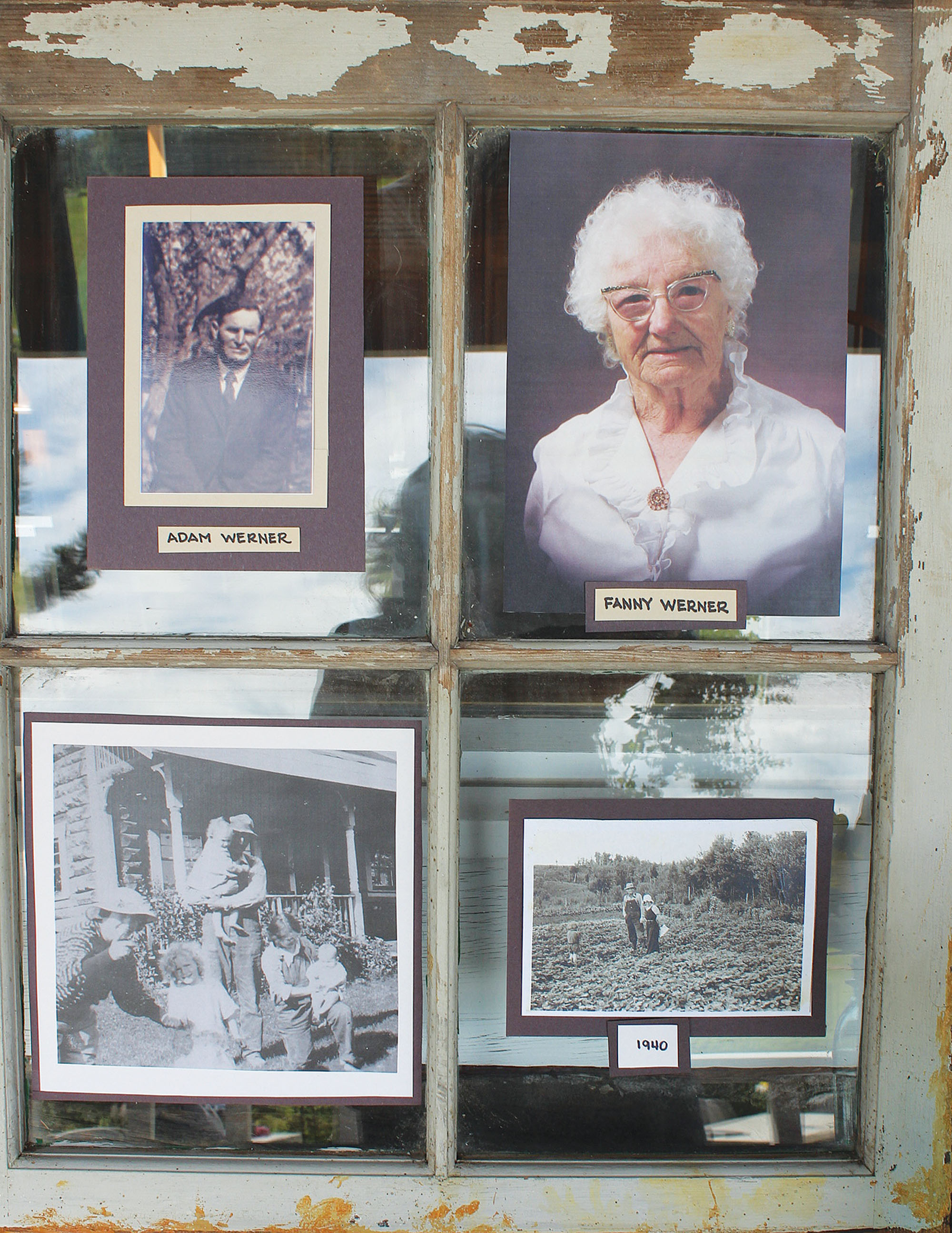
MAT-SU — Adam Werner, a young man of Austrian descent, left his family and traveled west from Chicago to homestead in the Pacific Northwest. Upon arrival on the coast he discovered that Alaska had just opened to homesteading, so he headed north. His journey crossed paths with Roy Cornelius and they continued on from Anchorage to Knik. From there they trekked on foot more than 30 miles where Cornelius stopped to claim a spot on Wasilla Creek. Werner walked on and found an excellent location with breathtaking views just north of what is now Palmer-Fishhook Road. There, he began the arduous chore of clearing the land in 1914.
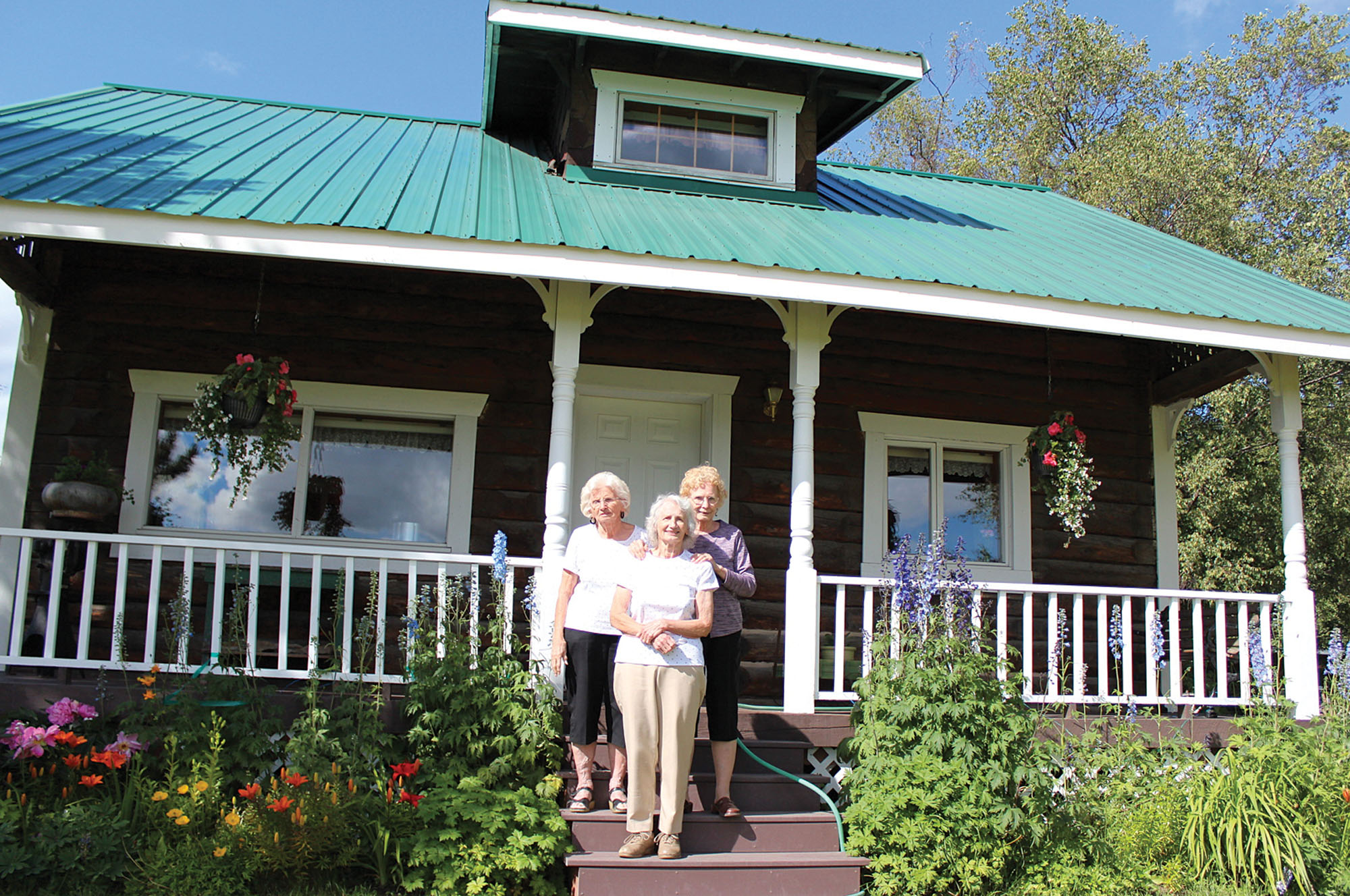
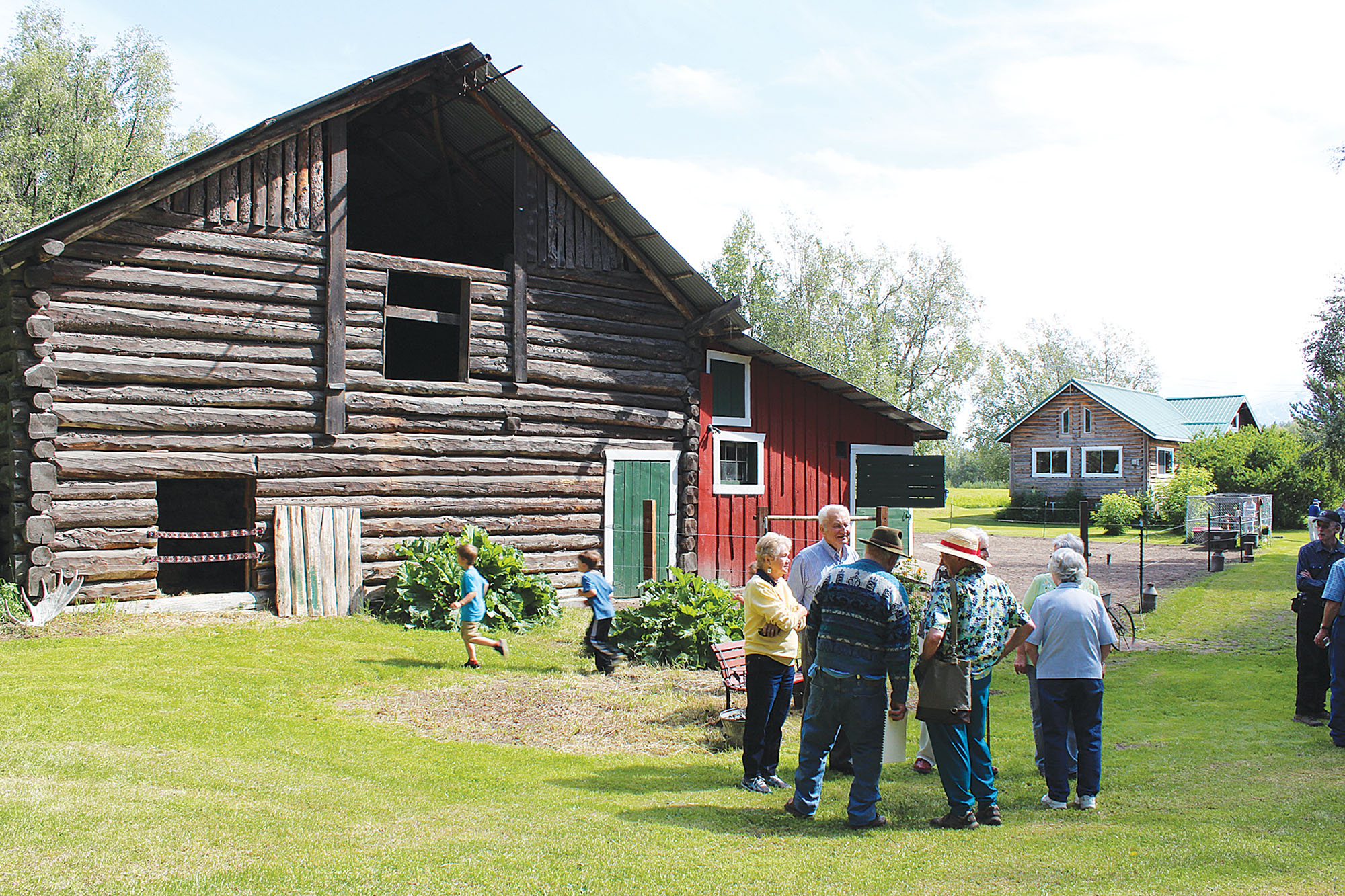
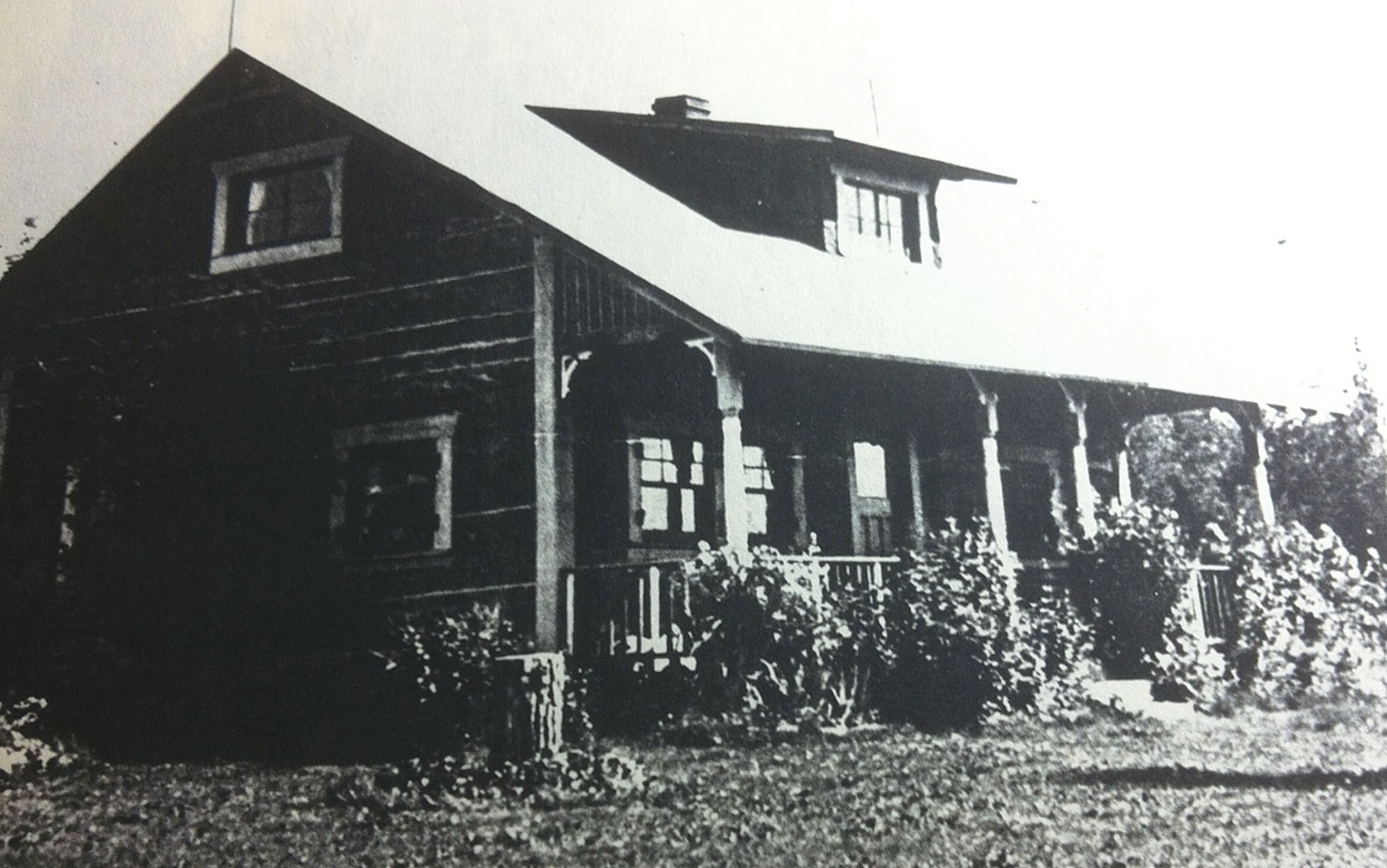
According to the borough “Homesteading Survey” compiled in 1992, Werner did not simply survive; he persevered and became almost completely self-sufficient. He tackled each task of farming with a methodology and diligence that prevented him from failure. He practiced economy of space and efficiency of movement in the structures he built and the work he accomplished. Werner’s construction suggests that he combined what he remembered from his home country with educational pamphlets he studied in the evenings. With the exception of his original cabin, all of Werner’s buildings still stand today, straight, sturdy, and fully functional. Included on the homestead is a 50-foot hand-dug well and the lovely log home he built for his bride.
Werner often sold vegetables and strawberries in Anchorage. There he met a cook named Jenny Eaton. Eaton believed that Werner was an ideal marriage candidate for her daughter, Fanny, who lived in Yorkshire, England. Eaton played matchmaker, and hatched a plot to marry her daughter to Werner. She beseeched Fanny to travel to Alaska. But not until Eaton’s husband, John Loken, passed in 1929, did Fanny relent and travel to visit her mother.
Werner eventually proposed to Fanny on the front steps of the very home he had built with her in mind. They married in a double ceremony along with her mother and Ed Dunklee on Aug. 18, 1930. In short succession the Werners welcomed three daughters into their life; Hazel, Faye, and Vi (Violet).
With Fanny’s help, Werner’s homestead prospered with an abundance of hard work and meticulous care. He grew an acre of prize strawberries. He not only raised cattle (for beef and cream), horses, and chickens; he raised silver foxes. He was a hunter, trapper, and fisherman, taking only what he needed and utilizing everything he could from the animals he harvested. Werner strategically planned and provided for his family, his land, and his livestock.
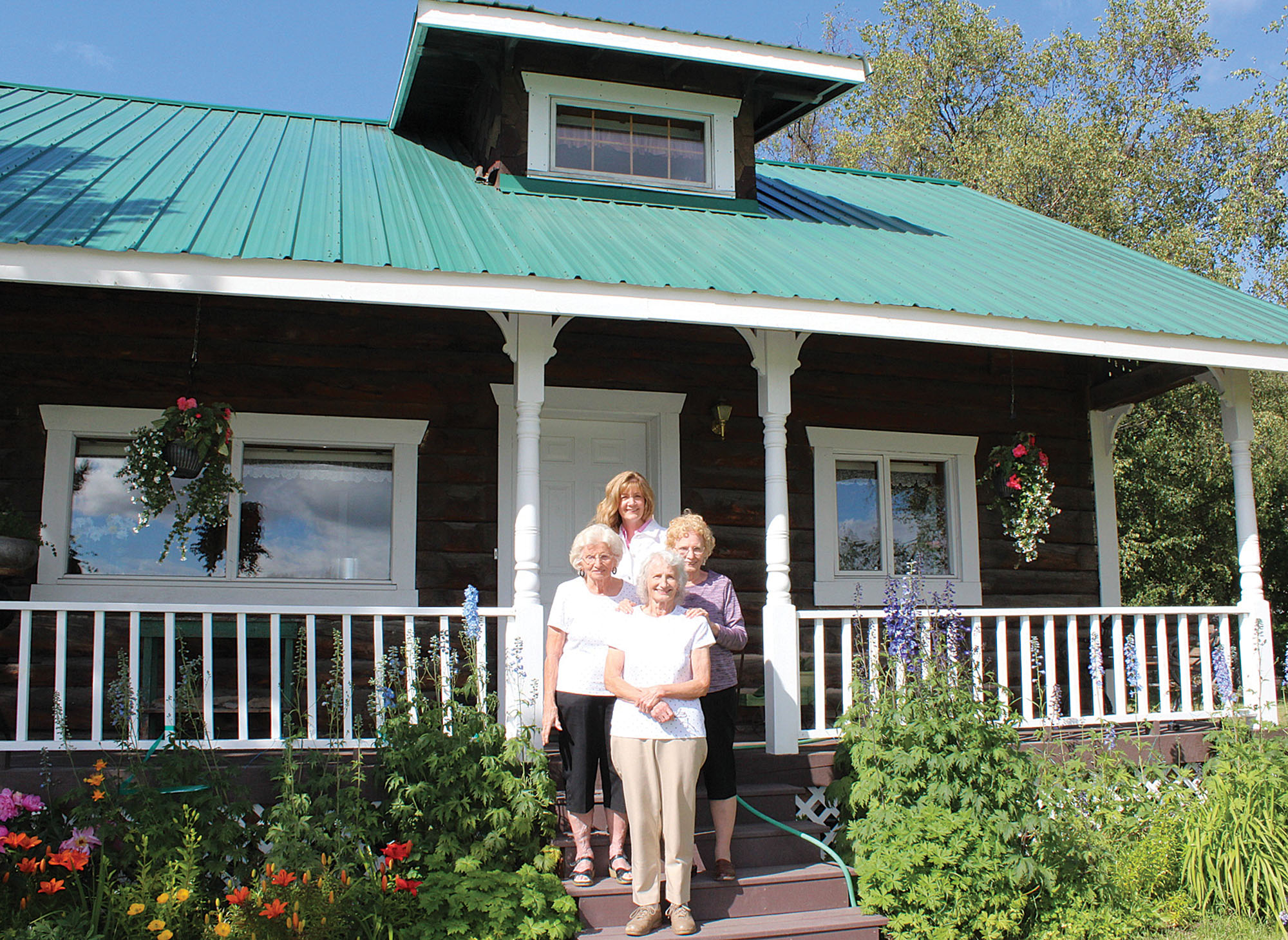
In an interview with the Werner’s three daughters and Vi’s granddaughter, Vivian Smith, the ladies shared their thoughts about growing up in the Mat-Su in those early years. Hazel, Faye, and Vi are vivacious and confident octogenarians. They spoke candidly and kindly, polite to a tee even amongst themselves. They remembered their life on the homestead, with much laughter, a little chiding, and a few tears. They believe their parents provided them a good life, with responsibility for chores, such as fetching the cattle for evening milking, weeding, and ridding the gardens of cutworms (so many that even the chickens wanted no more). But they also recalled a time of fun and freedom. They played outdoors, ate healthy, enjoyed their friends and neighbors, and attended school in Palmer with other local homesteaders and colonists.
“Family was everything to our dad and mom,” said Faye. And with that thought, they all agreed, and unanimously added that they wish they had more time to know their father.
In 1944, Werner was stricken with cancer and passed away, leaving Fanny with three small daughters, ages 9, 10, and 11, to raise and a farm to run. Friends and neighbors assisted when they could, including the Kerttula family who helped Fanny lose her fear of milking and taught her to tend the dairy animals. Shortly after Werner’s death, the homestead acquired electricity, easing the burden of some chores.
Fanny soon took on the role of foster parent and over the course of several years, helped young boys in difficult situations, who would come to call her mother in a mutually beneficial relationship of love and care. Eventually, Fanny would sell off the dairy cows and go to work for Valley hospital as a housekeeper.
Hazel married, moved to Juneau, and now lives in Albuquerque, New Mexico, with her husband, Ed Fisher.
After graduating from school, Faye stayed in Anchorage awhile, eventually married Ed Halliwell, and moved to California.
Vi stayed in Palmer and worked as a bank teller. There she met Jon Norbo, a local coal miner. After accepting Norbo’s marriage proposal, Vi moved to his home just down the road. Vi became a gardener in her own right, winning many ribbons at the Alaska State Fair.
Due to illness, Fanny left the homestead for an assisted living facility in the fall of 1991. She passed away just six months later in 1992. She was buried beside her beloved husband in a local cemetery, complete with the signature hat she always wore.
The Werner Homestead originally totaled 320 acres. Sometime before his death Adam relinquished 80 acres east of the homesite. Fanny also sold 80 acres that became BelAir Estates. The remaining 160 acres were divided into three units. Hazel and Faye were each gifted 40 acres, which they eventually sold and it became Poplar Grove. Vi Norbo received the remaining 80 acres, which kept the homestead buildings in a single tract.
In 2004, Norbo’s daughter, Vivian Smith moved to the homestead, from Anchorage, where, along with her husband, Adam, she raised and homeschooled their two daughters, Rachel and Sarah. Smith and her husband live on the beautifully manicured homestead today.
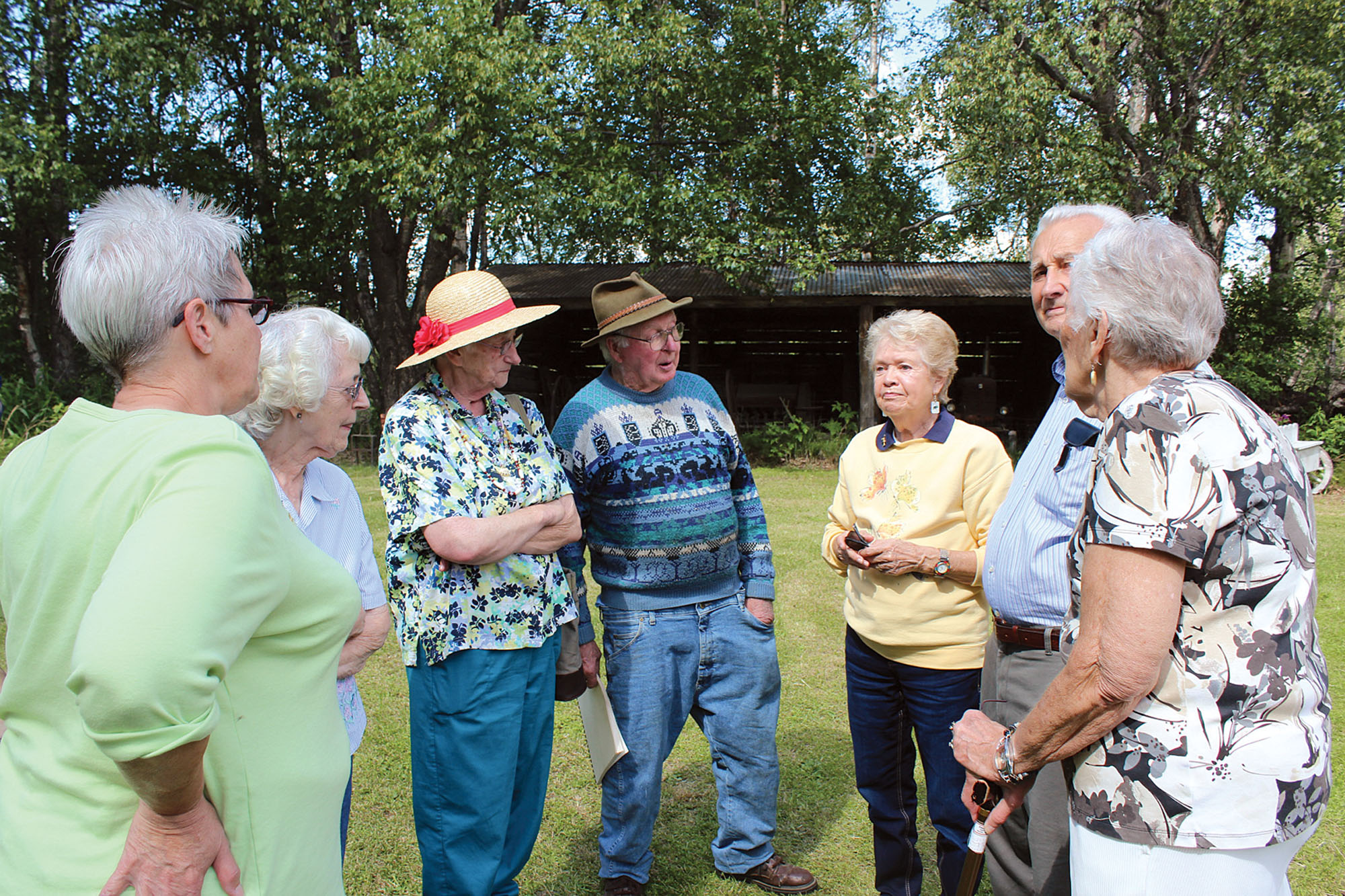
On, July 12, the family hosted a centennial celebration of the Adam and Fanny Werner homestead. All three daughters attended as well as grandchildren, cousins, neighbors, Colonists, and long-time friends. On a warm, sunny, Saturday folks gathered to share memories, lemonade and cookies. The farm shone bright in all its splendor after many hours of work by Smith and her family. It was a true testimony to Adam and Fanny Werner and the legacy they instilled in their daughters.
Jalmar Kerttula, in a conversation with Smith at a local grocery store, proclaimed that Adam Werner’s homestead was once the showcase of the Valley. He explained that whenever dignitaries came to town, they were brought to the Werner Homestead. The homestead still represents the best of what remains of the Valley’s original homesteads today.
Louise Bidondo, longtime neighbor, friend, and daughter of homesteaders spoke poignantly when she said, “We loved them. When we visited, Fanny showed us her garden and her flowers. My sons loved them too… and Fanny always served us tea.
This article would not have been possible without the help of many generous people. Thanks to Fran Seager-Boss of the Mat-Su Borough and Colleen Mielke. Special thanks to the Werner Family, especially Hazel, Faye, and Vi. Additional and heartfelt thanks to Vivian Smith for sharing this wonderful history and family event.

By Jeremiah Bartz Frontiersman.com A football coach using a hockey reference as the centerpiece for his keynote address may

Frontiersman.com With its headquarters in Wasilla, the Frontiersman has been a primary source of news for the Matanuska-Susitna

By Katie Stavick Frontiersman.com The next generation of leaders took flight this week as the Houston High School Class

By Kyle Wilkinson For the Frontiersman Keynote speaker and Carry the Cure President Bill Pagaran’s words boomed through the