Retiring teacher, coach urges Colony grads to ‘find their 68’
By Jeremiah Bartz Frontiersman.com A football coach using a hockey reference as the centerpiece for his keynote address may


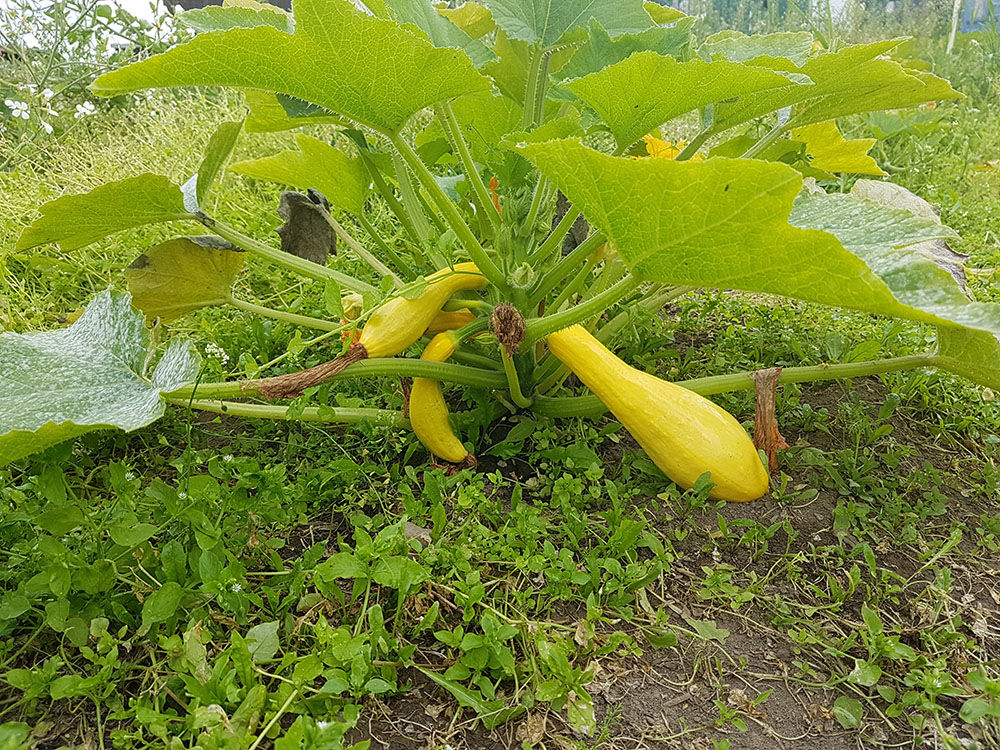
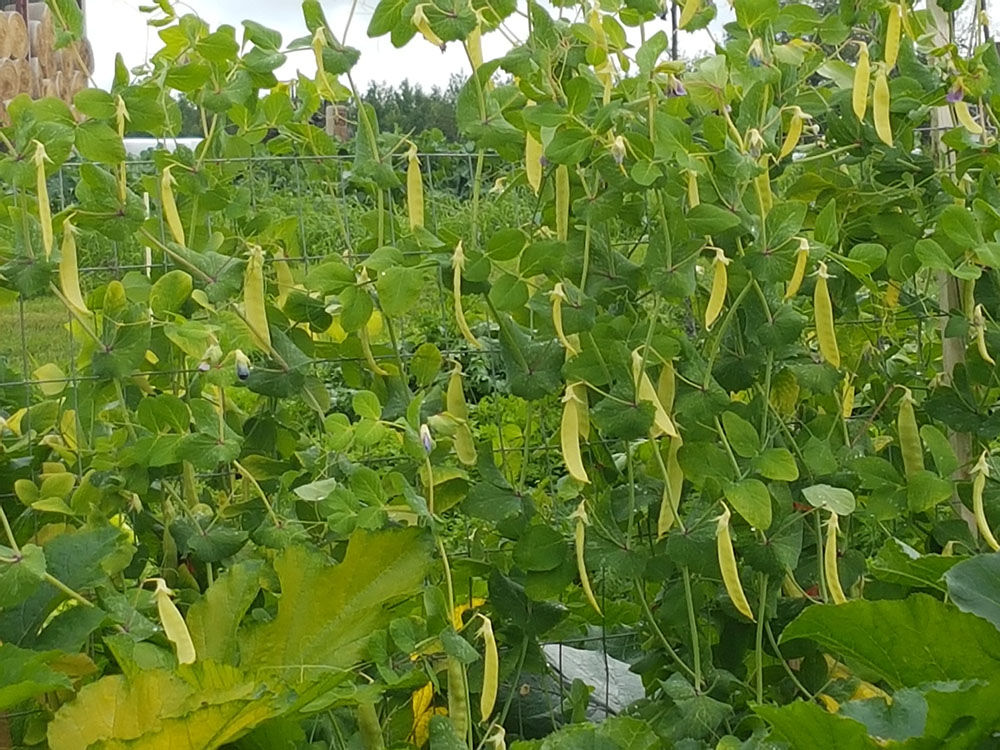
WASILLA — Less sunshine and an abundance of rain in Southcentral Alaska this summer is proving troublesome for more than just those looking to work on their tans. Many backyard vegetable growers may also have noticed things are a little behind schedule.
State Division of Agriculture Director Arthur Keyes said production levels for Valley crop growers seem to be at least a couple of weeks behind when compared to a normal growing season.
“That’s my take on the growing season speaking also as a farmer,” Keyes said.
Keyes said while there is a downside for crops that thrive on abundant sunshine, other crops that aren’t as dependent on it are doing well.
“On the upside, I’ve seen some of the nicest brassica—cabbage and cauliflower,” Keyes said. “Things are growing a little slower but that’s not always a bad thing.”
Keyes said he expects Alaska carrots to be up to eight times sweeter than their Outside counterparts. He said broccoli lovers should also find this year’s Alaska harvest to their liking as the slower growth allows for more sugar development in the plant.
On the downside, crops such as berries and corn — which need abundant sunshine to do well — are suffering this summer. Keyes, contacted Friday during a trip to Kodiak, said he was calling from a location that is usually abundant in wild berries.
“I’ve seen one berry. Things like strawberries are having yields not quite where they should be,” Keyes said. “Here (in the Kodiak region), bear pressure is insane. They are normally eating berries this time of year. I saw five on the beach this morning.”
Despite the current slow-growth cycle and the lateness of the season, Keyes said those gardeners who have planted sun-dependent crops shouldn’t give up hope.
“It’s still not too late. If we throw some heat (on those crops), we’ll see immediate results,” he said.
Louise Fode, a meteorologist-forecaster at Anchorage’s National Weather Service office, said despite what many may think, summer of 2017 mean temperatures have been very close to normal.
According to data collected at the Palmer airport, Fode said June’s mean temperature came in at 56.2 degrees which is just above the 56.1 average. July’s mean temperature of 59.5 was just over a half-degree above normal.
“What’s important to remember is people remember summers from the past few years,” Fode said. “2016 and 2015 were very warm summers.”
Adding to the overall picture is the fact that this summer has been wetter than normal—especially July. Fode said the long-term average precipitation in Palmer is 0.88 inches for June and 1.59 inches for July. Normally two of the drier months in Southcentral, 2017 respective tallies came in at 1.07 and 2.15 inches.
Fode said different factors came together to make summer to-date a wet one across the Mat-Su.
“Of course there’s sun and clouds, but another factor is how much heat is in the air mass itself,” Fode said. “Ocean temperatures in the Gulf of Alaska were really warm (in 2015 and 2016). This year, those temperatures are close to normal.”
Regarding the overabundance of clouds and precipitation, Fode said June’s weather pattern didn’t set up like it usually does. She said during the early summer, high pressure normally establishes itself over Canada and builds a ridge over south-central. That forces low pressure systems moving out of the Northern Pacific to stay further south.
“We had a lot of storms move into the Gulf of Alaska this summer,” Fode said.
This weekend’s weather is no exception. Rain is expected to continue across the region through early next week. National Weather Service long-term (three to seven days out) is calling for a continuation of cool, wet, and fall-like conditions across Southcentral and surrounding areas.
Contact reporter Chris Ford at 352-2270 or chris.ford@frontiersman.com

By Jeremiah Bartz Frontiersman.com A football coach using a hockey reference as the centerpiece for his keynote address may

Frontiersman.com With its headquarters in Wasilla, the Frontiersman has been a primary source of news for the Matanuska-Susitna

By Katie Stavick Frontiersman.com The next generation of leaders took flight this week as the Houston High School Class

By Kyle Wilkinson For the Frontiersman Keynote speaker and Carry the Cure President Bill Pagaran’s words boomed through the