Retiring teacher, coach urges Colony grads to ‘find their 68’
By Jeremiah Bartz Frontiersman.com A football coach using a hockey reference as the centerpiece for his keynote address may


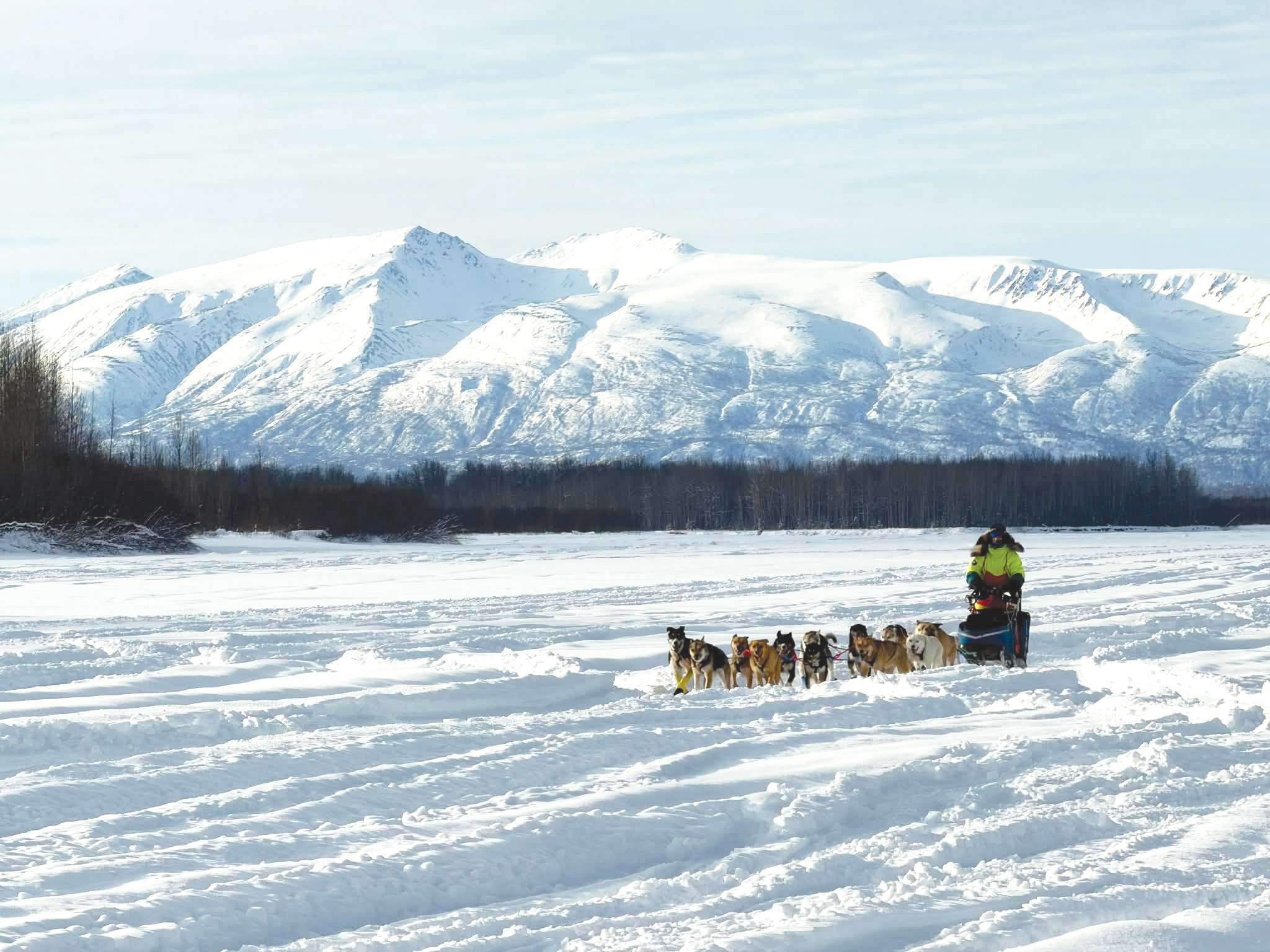
Iditarod musher Sydnie Bahl returns to the Last Great Race on Earth this week for a chance to cross under the burled arch in Nome with her dog team. A year’s worth of preparation, the planning and the hard miles of training all fade away as Bahl takes off from Willow on Sunday.
“It’s stressful all year prepping for the race and training for the race,” Bahl said. “When you finally get to pull the hook and be out there on the trail, and that’s all you have to worry about, you don't have to think about anything back home or finances or any of that. All those worries go away.”
Bahl and her husband moved to Alaska from Minot, North Dakota. The state’s outdoor opportunities are what brought them to the Last Frontier and the sense of adventure that comes with outdoor living.
There was no interest or prior background in sled dogs prior to coming to Alaska. Bahl is a physical therapist by trade, and one of her first patients upon moving was married to an Iditarod finisher.
“I saw her race photos,” Bahl said. “I thought, ‘wow, that’s pretty neat! I think I should do that.’ And I probably did not have any clue what I was totally getting myself into.”
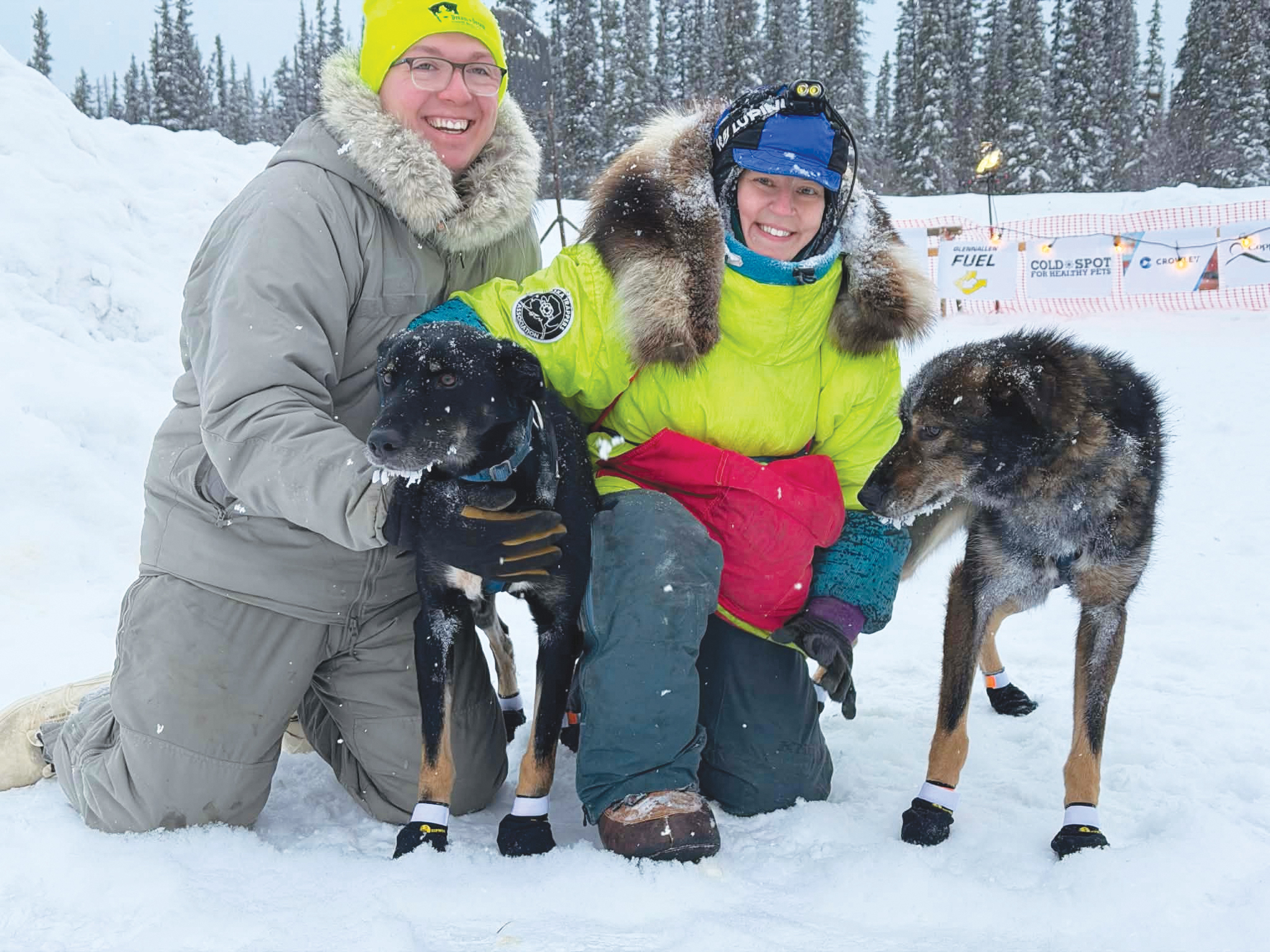
Showing such an interest in mushing, Bahl was introduced to Vern Halter and Dr. Susan Whiton of Dream-a-Dream Dog Sled Farm in Willow. She began working with them in fall of 2021 and completely immersed herself into the musher lifestyle.
“They became my mentors and helped me get qualified for Iditarod,” Bahl said. “And here we are, running the 2026 Iditarod.”
The kennel was nearing retirement when Bahl showed up with an interest in racing. Halter had been looking for another musher to train and Bahl’s growing passion for working with the dogs and racing revived the kennel as he worked with her.
After only a handful of months training with the dogs, Bahl participated in her first race, the Goose Bay 150 in February of 2022.
“I didn’t know a whole lot when I entered that first race. But it went well, we finished and the dogs did great. And it was definitely all the dogs in that race for sure,” Bahl said.
Since then, Bahl has continued to learn and grow through her training, working with the dogs and competing in other races. Her three Iditarod qualifying races included the Goose Bay 150 in February of 2023, the Copper Basin 300 in January 2024 and the Yukon Quest 300 in February of 2024. She has completed the Copper Basin three times and has also raced in the Knik 200.
All of these races grow the musher and the dogs by putting them in new terrain, different weather and camping conditions. Bahl recalled racing in the Yukon Quest at 60 below zero and how difficult but important that race was for her and her team.
Preparation for Iditarod this year has been much easier than in 2025. A lack of snow last winter forced mushers to haul their dogs further north to train. Bahl explained how stressful it was trucking dogs and how much time it took away from work and home. Ample snow and winter conditions have created better training opportunities closer to home this winter.
“It’s been a lot easier as far as we’ve been able to train right on our Haessler-Norris Trail System right out of our backyard,” Bahl said.
Iditarod 2025 was cut short for Bahl around 600 miles in when she was withdrawn from the race by the Iditarod Trail Committee per rule 36. The rule states that, at the discretion of the race marshal and other race personnel, per weather, conditions and placement in the race, teams that are not deemed in a position to compete, may be required to leave the race per the final ruling of a three-judge panel.
While not how she wanted her race to finish, Bahl was forced to leave from last year’s Grayling checkpoint along the Fairbanks route.
“We did not expect our journey to end the way it ended, but that’s behind us now,” Bahl said. “We try not to focus on that. That was last year and that’s water under the bridge at this point.”
The team last year consisted of 2-year-old dogs that had never been in a 1000-mile race. She said her team this year is stronger and ready to make the go in 2026.
“They’re a lot more confident, a lot more experienced, a lot tougher. Not even really a comparable dog team to last year,” Bahl said. “I’m really excited to take these guys down the trail.”
The goal is to finish in Nome with as many happy and healthy dogs as possible, Bahl said. She believes that taking the traditional northern route this year will be more engaging for the dogs rather than racing along the Yukon River for miles and miles. Having a difference in terrain features and racing through trees is psychologically more engaging for the dogs. Once they reach the Yukon, the dogs will recognize the trail and will perk up as they remember the prior route.
“They’ve been there before,” Bahl said. “Sled dogs are super smart and they remember the trail. It’ll be fun to see them perk up when they realize, ‘hey, we’ve been to Ruby. We’ve been to Galena. We remember these places.’”
While there is always some level of anxiety before the race, Bahl said she feels more calm heading into race week and is excited to hit the trail with her team and face the challenges ahead. She looks forward to visiting the communities along the way and interacting with all of the people that make Iditarod happen.
“It's the challenge of the race that inspires me to push myself and to see what the dogs are capable of,” Bahl said. “The dogs always impress you and surprise you of what they’re truly capable of out there, and the unknown. That’s what I’m looking forward to, the challenge of the trail, the unknown of the weather, and being able to see some incredible terrain that you cant see otherwise.”
Bahl will welcome friends, family and her mentors from the Lower 48 and Alaska to cheer her on from the start in Willow and the finish in Nome. She said she looks forward to sharing the fun and the excitement with those she is closest to.

By Jeremiah Bartz Frontiersman.com A football coach using a hockey reference as the centerpiece for his keynote address may

Frontiersman.com With its headquarters in Wasilla, the Frontiersman has been a primary source of news for the Matanuska-Susitna

By Katie Stavick Frontiersman.com The next generation of leaders took flight this week as the Houston High School Class

By Kyle Wilkinson For the Frontiersman Keynote speaker and Carry the Cure President Bill Pagaran’s words boomed through the