Retiring teacher, coach urges Colony grads to ‘find their 68’
By Jeremiah Bartz Frontiersman.com A football coach using a hockey reference as the centerpiece for his keynote address may


Alaska is truly a winter wonderland. On a bright, sunny day, a trip on a snowmachine through the snow-covered terrain can be a breathtaking experience. However, travelling the Alaskan backcountry can also be dangerous. Let’s look at some safety concerns.
Whether you’re riding on a groomed trail or through the unmarked snow, you can literally go further in about an hour on your snowmachine than you can walk in a day’s time. Make sure your machine is tuned up and running well. Start with a full tank of gas and carry some extra oil and antifreeze if your machine requires either or both for proper operation. While it’s rare for them to break, carrying a spare main drive belt is also a good idea. Riding in pairs or a group is a good idea for the new snowmachiner, as well.
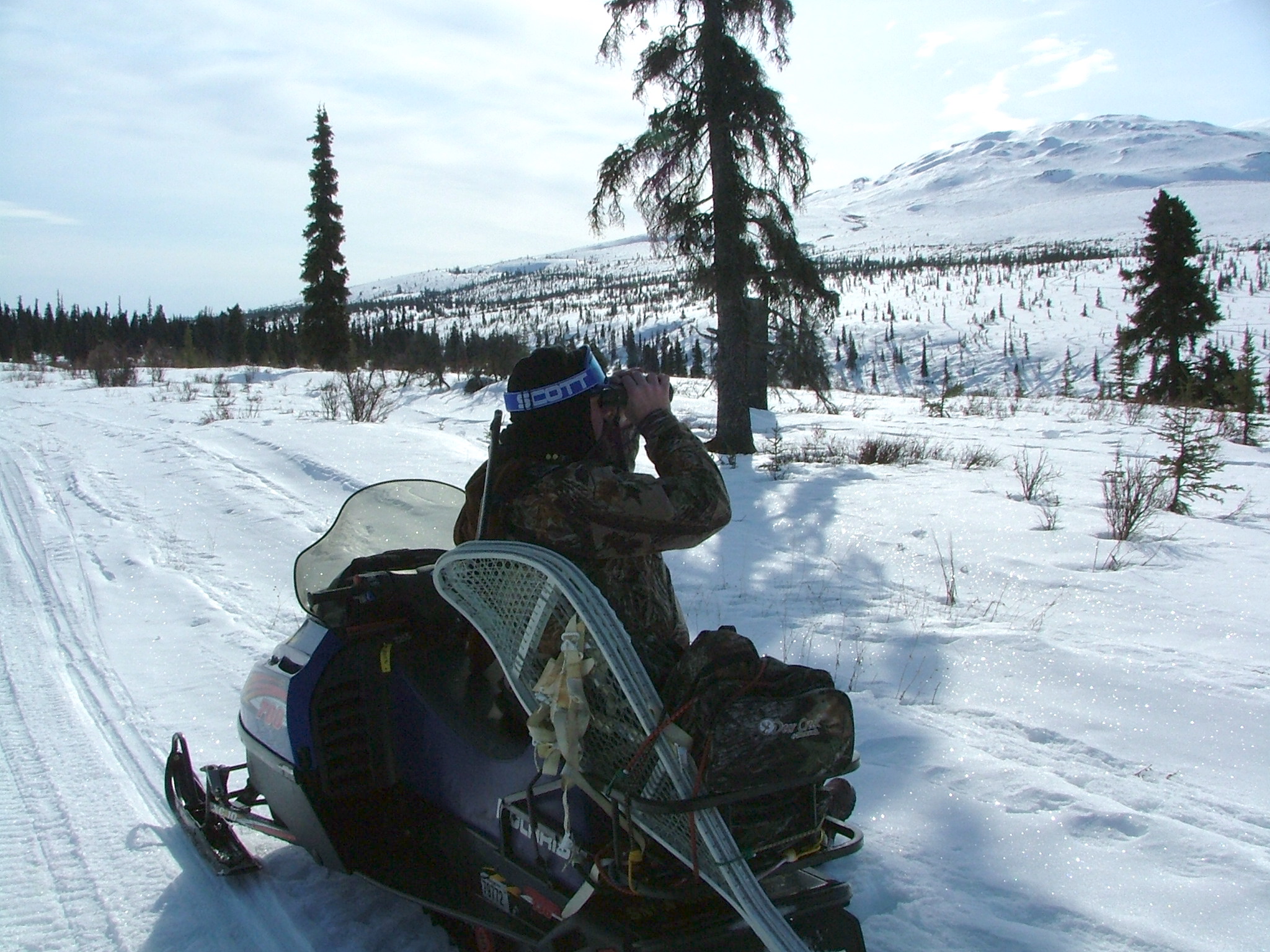
I carry a small axe and a large knife, a small come-along and winching strap, extra cable, an assortment of tools, a recovery strap, and a small shovel in the storage compartment under the seat of my machine. A couple of properly gapped spare spark plugs with a wrench live under the seat as well, along with a “space blanket” to use as an emergency shelter. I carry a pair of modern style snowshoes and hiking poles behind the seat, just in case.
Snowmachining means colder weather, so dress appropriately. You can buy overalls specifically designed for snowmachining, which means they’re insulated and waterproof to keep you dry. A good pair of waterproof, insulated boots is a necessity along with a properly sized helmet and googles or a facemask. Insulated and waterproof gloves, along with heated hand grips on the machine can make riding truly pleasant on a cold day.
I usually run with a GPS and a set of maps or trail guides and a compass so I can find my way home or back to the truck. Once you get out in the backcountry, everything looks similar and without an inherent sense of direction, or a compass, you can easily get turned around. A few years ago, I was out checking some traps I had near the Little Susitna River when a young couple riding on one machine came up behind me. It was late afternoon and getting colder as the sun began to set.
They were not properly dressed for the activity, the woman was getting cold, and they were low on fuel. Their machine was rented, and they were needing to get back to the rental shop to make the return. The guy told me all this as he was preparing to head off through the woods. I told him if he was heading back toward Big Lake, and they were, he was pointed exactly opposite the direction he needed to return to the lake. After getting them turned around and on their way, I shook my head and finished my route.
If I’m planning to be out for a half-day or more, I bring along a thermos of hot liquid and something to eat. The dry, winter air can quickly dehydrate you and riding a snowmachine burns calories in a hurry. Oftentimes, I’ll bring food and beverage along on even a short ride for these reasons.
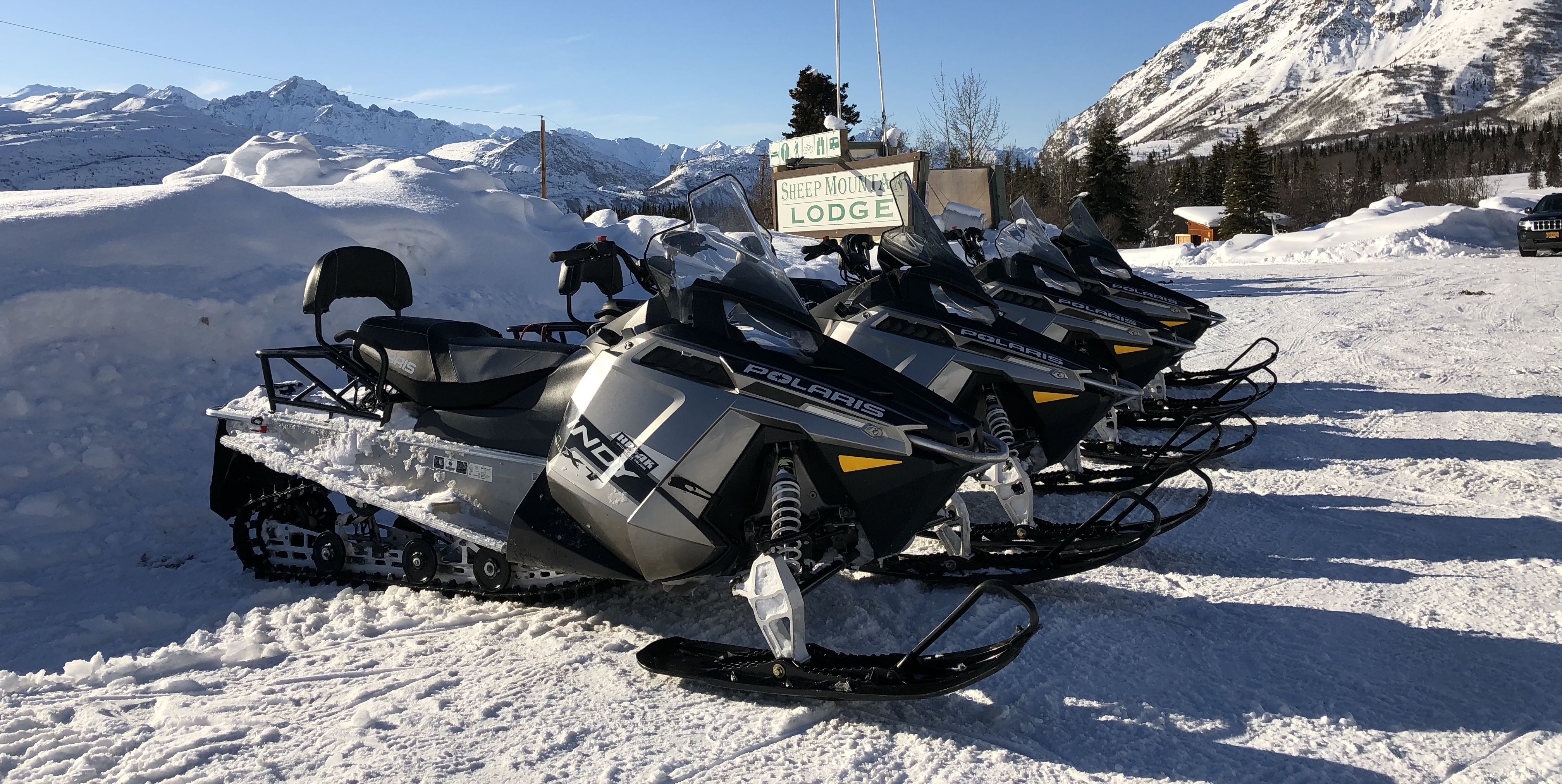
If you don’t own a machine or can’t borrow one from your neighbor or a friend, check the phone book yellow pages for dealers and start making calls to find out about rentals or tours. There are some snowmachine clubs listed and they can offer information and assistance.
Now that you have a machine and gear all organized, where can you go? Most dealers sell guidebooks for the area they service or can tell you where to find trail maps. Local government agencies also can provide information on established and maintained trails and how to access them. Talking with a local snowmachine club member can also snare you some good trail information and maybe an invitation to ride with the club on one of their outings. For the inexperienced rider, hooking up on a club ride can be beneficial in learning how to handle a snowmachine.
I like riding on a bright, sunny day because the light contrast is sharp and well defined. Riding at night can also provide good contrast because of the headlights. Often, though, the daylight is gray and dull, with little visual contrast. This can make riding more difficult because shadows are muted and seeing obstacles along the trail can be more difficult. If your trip involves riding over waterways like rivers or lakes, be aware of overflow under the snow. Getting stuck in overflow is not a fun experience!
Living in Big Lake, I’m blessed with several local snowmachine dealers and an extensive trail system I can access from my house. I carry my trail books in a pouch over the fuel tank and my GPS is mounted where I can see it while riding. My machine is older, but I try to keep it properly maintained and serviced each year to avoid unexpected surprises.
I’ve used my machine for riding and exploring, accessing some good icefishing, hunting both moose, caribou, and small game and running a short trapline near my house. Because my machine is a big, heavy “work” machine, one winter I helped a friend haul cabin construction material out to a location along the Deshka River. During another year, I accompanied another friend on a Tier II moose hunt up the Yentna River where he harvested a nice animal. We were both able to pull along side the carcass and load quarters on the sleds with no packing whatsoever.
Be aware of animals while out riding. Once the snow starts to get deep, moose will walk on the groomed trails or any packed trail for that matter, because it’s easier walking for them. Don’t crowd them and give them a lot of leeway. Winter can be a fun time for us, but for the moose, not so much!

By Jeremiah Bartz Frontiersman.com A football coach using a hockey reference as the centerpiece for his keynote address may

Frontiersman.com With its headquarters in Wasilla, the Frontiersman has been a primary source of news for the Matanuska-Susitna

By Katie Stavick Frontiersman.com The next generation of leaders took flight this week as the Houston High School Class

By Kyle Wilkinson For the Frontiersman Keynote speaker and Carry the Cure President Bill Pagaran’s words boomed through the