Retiring teacher, coach urges Colony grads to ‘find their 68’
By Jeremiah Bartz Frontiersman.com A football coach using a hockey reference as the centerpiece for his keynote address may


As the winds are forecasted to dissipate this week, the National Weather Service (NWS) is still calling for frigid temperatures. And don’t let the sunshine fool you as the daytime highs will be in the low digits in most areas and single digits for overnight temperatures.
Ambient temperatures will likely drop below zero by mid-week and continue through the week. The bitter cold can be especially tough on vulnerable groups like young children and elders, increasing the risk of hypothermia and frostbite.
It is important to know the warning signs and when help is needed. Here are the symptoms of hypothermia to look for as well as actions to take if you think someone may be suffering from the dangerous cold.
-Confusion
-Shivering
-Clumsiness
-Difficulty speaking, often slurred speech
-Sleepiness
-Stiff muscles
Many people with hypothermia don’t know they’re in trouble because the symptoms appear slowly and affect their ability to think clearly.
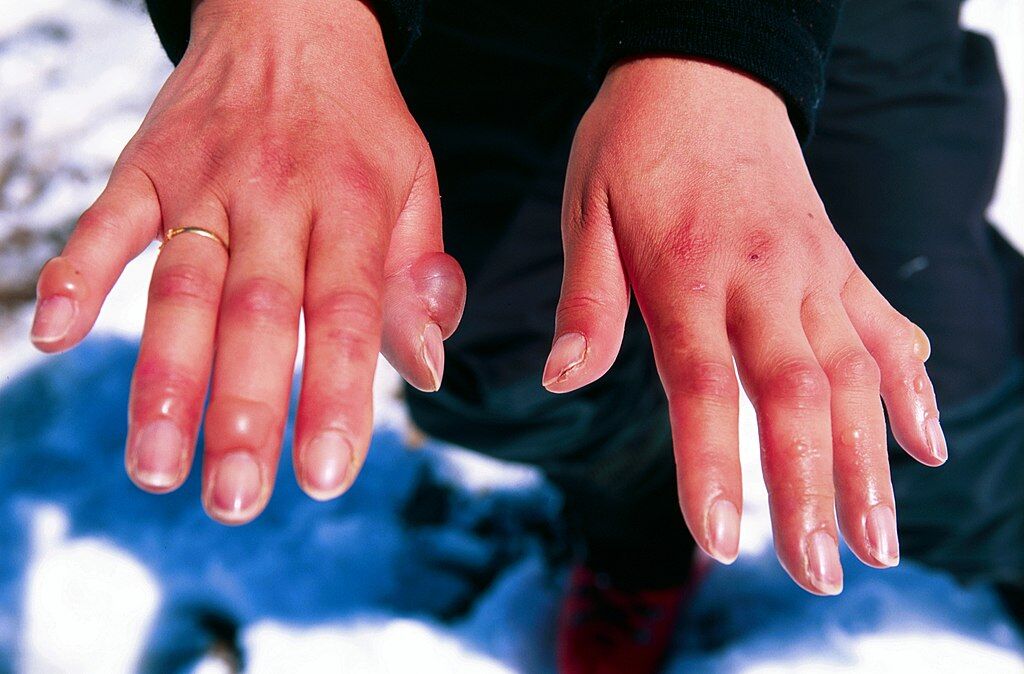
Meanwhile, exposed skin is at risk for frostbite in windy, freezing cold conditions, and can occur even on skin covered by gloves or other clothing.
According to the Mayo Clinic, the primary symptoms to look for are: -Numbness and tingling
-Patches of skin in shades of red, white, blue, gray, purple or brown (the color of affected skin depends on how serious the frostbite and the usual skin color)
-Cold, hard, waxy skin
-Pain
-Blistering after rewarming
Frostbite is most commonly seen on the fingers, toes, ears, cheeks, and other extremities. Because of the numbness, frostbite can go undetected until someone points it out.
If someone might have hypothermia or frostbite, seek medical attention immediately. Get to a warm area, remove wet clothing, and warm up with dry layers of clothing or blankets. Protect any injured areas from further damage.
Do not rub or put pressure on frostbitten areas. You can place frostbitten skin in WARM water, not hot water and allow for slow rewarming of the body.
Frostbite injuries need to be checked by a medical provider.

By Jeremiah Bartz Frontiersman.com A football coach using a hockey reference as the centerpiece for his keynote address may

Frontiersman.com With its headquarters in Wasilla, the Frontiersman has been a primary source of news for the Matanuska-Susitna

By Katie Stavick Frontiersman.com The next generation of leaders took flight this week as the Houston High School Class

By Kyle Wilkinson For the Frontiersman Keynote speaker and Carry the Cure President Bill Pagaran’s words boomed through the