Retiring teacher, coach urges Colony grads to ‘find their 68’
By Jeremiah Bartz Frontiersman.com A football coach using a hockey reference as the centerpiece for his keynote address may


It has been a challenging 2021 for many Alaskans. But 2021 was certainly better than 2020, the year of the virus.
There were some brighter spots: Vaccines were approved, and most Alaskans now have at least some protection against the latest surge of COVID-19.
The crisis for Alaska hospitals appears to have abated, for now. Alaska’s Department of Health and Social Services reported 235 new COVID-10 cases last Wednesday, Dec. 22, with Alaskans hospitalized with the virus and 11 of those on breathing-support ventilators.
There’s more room available in Intensive Care Units. Ninety six adult ICU units are occupied, with 35 available. The numbers are improving, but nurses and other hospital staff are exhausted.
The newest variant of the virus, Omicron, appears to cause fewer hospitalizations and deaths, but only for those who are vaccinated.
The Matanuska-Susitna Borough continues to be the least-vaccinated region of the state, having just crossed the 40 percent threshold last week.
Anchorage, in contrast, has 61.6 percent of its residents fully protected.
The medical community meanwhile continues to make advances with the virus. The latest development being approval by is full approval by federal authorities for Pfizer’s new drug taken orally that is proving effective in preventing the worst effect of the virus, if there is infection.
Vaccination still continues to be the best protection against infection, health officials say, although conservative politicians are still waging war on COVID-19 vaccine mandates.
Most recently the state of Alaska joined other states in a lawsuit against federal rules requiring workers in Head Start childcare centers to be vaccinated.
Ironically, vaccination mandates long been in effect, and accepted, to prevent diseases like polio and, before that, smallpox. For years state laws have also required require schools, including those in the Mat-Su, to mandate vaccinations against a number of childhood diseases.•••
Vaccine political wars aside, 2021 showed improvements in many parts of the state’s economy.
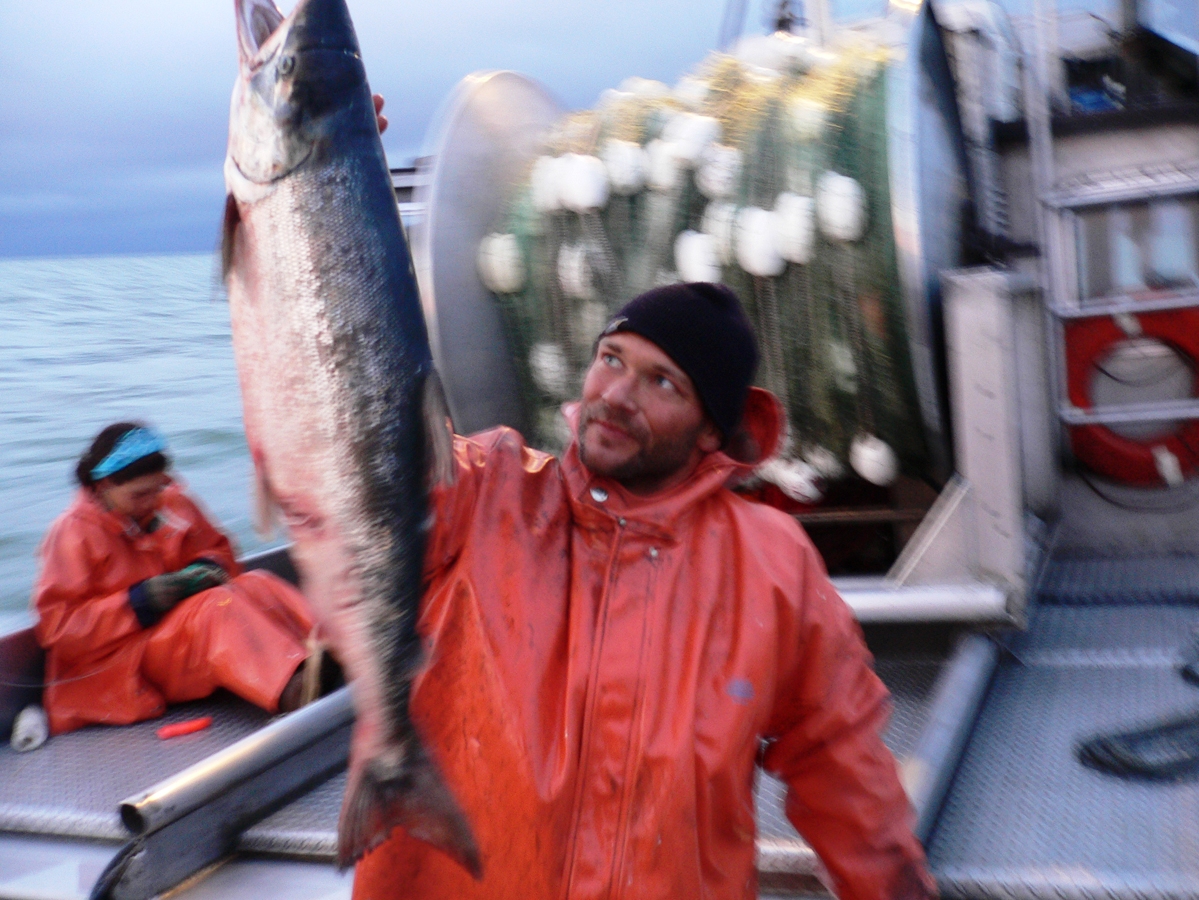
It was a good year for Alaska’s seafood industry, with the virus kept at bay in processing plants thanks to vaccination mandates by many employers and stringent precautions.
Bristol Bay saw a large run of high-value sockeye salmon this year and harvesters had good earnings there as well as in many other coastal regions.
However, many of the higher-earning salmon fishers in Bristol Bay and other fisheries are from out-of-state, so much of that income does not land in Alaska.
One exception to this was in the Lower Yukon River in Southwest Alaska where a failure of the chum and chinook salmon runs brought a shutdown of small commercial fisheries.
Unlike in other coastal regions almost all of the Yukon salmon fishers are Alaska residents.
The governor and other state officials rushed aid to the area including surplus salmon donated by seafood companies to help people get through a loss of subsistence fishing.
•••
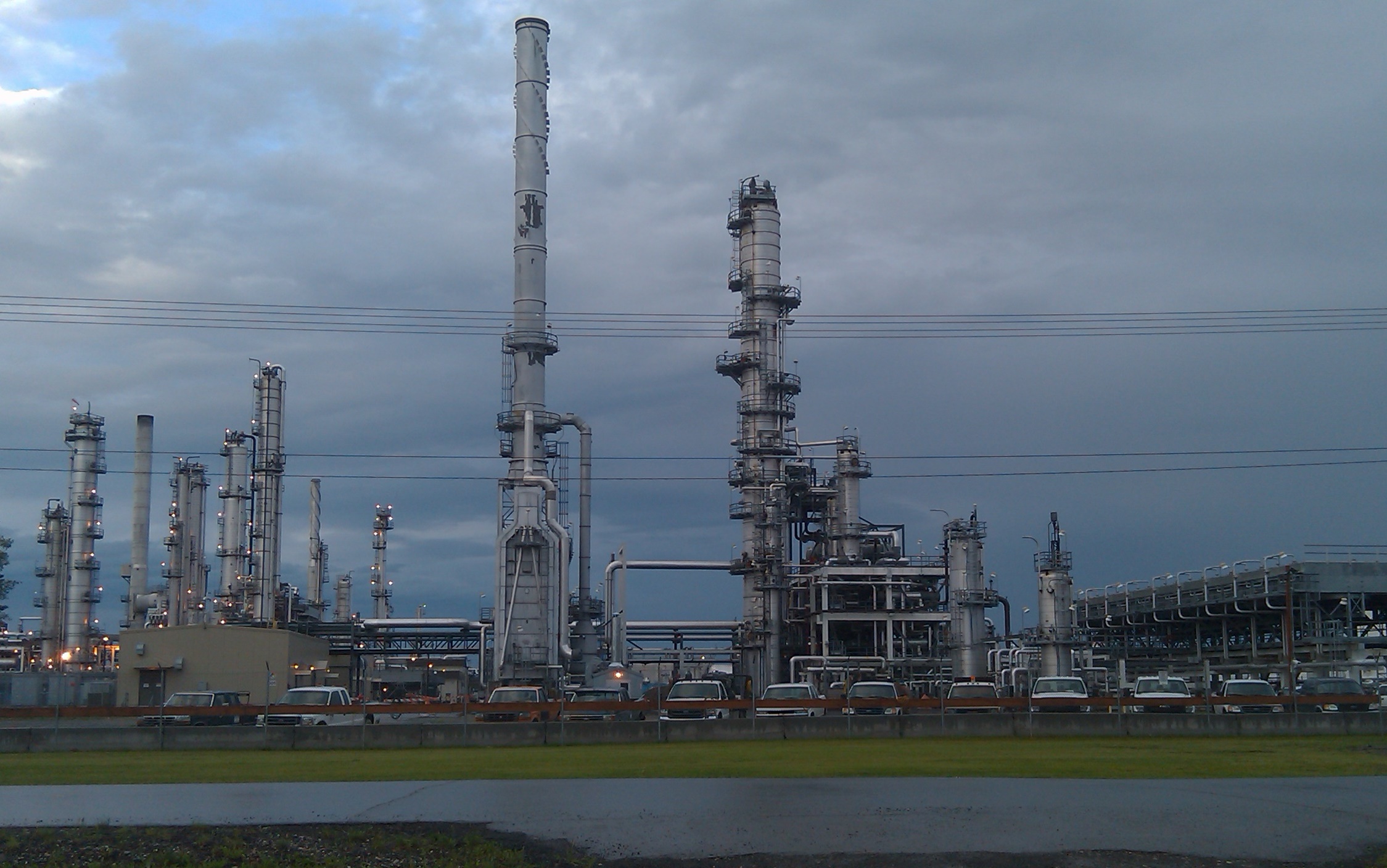
For the petroleum industry, another economic pillar, 2020 saw a huge hit to employment and even production as operating companies cut output when oil demand crashed due to the pandemic.
Production resumed but drilling and employment in the industry are showing only slow recovery despite oil prices having largely recovered from a crash in 2020.
This year will see one of the slowest winter exploration seasons in years on the North Slope with only two new wells planned. Also, what should have been a busy winter construction season for ConocoPhillips on its planned Willow project is curtailed because of a federal judge’s decision in favor of conservation groups who filed lawsuits over the Willow project.•••
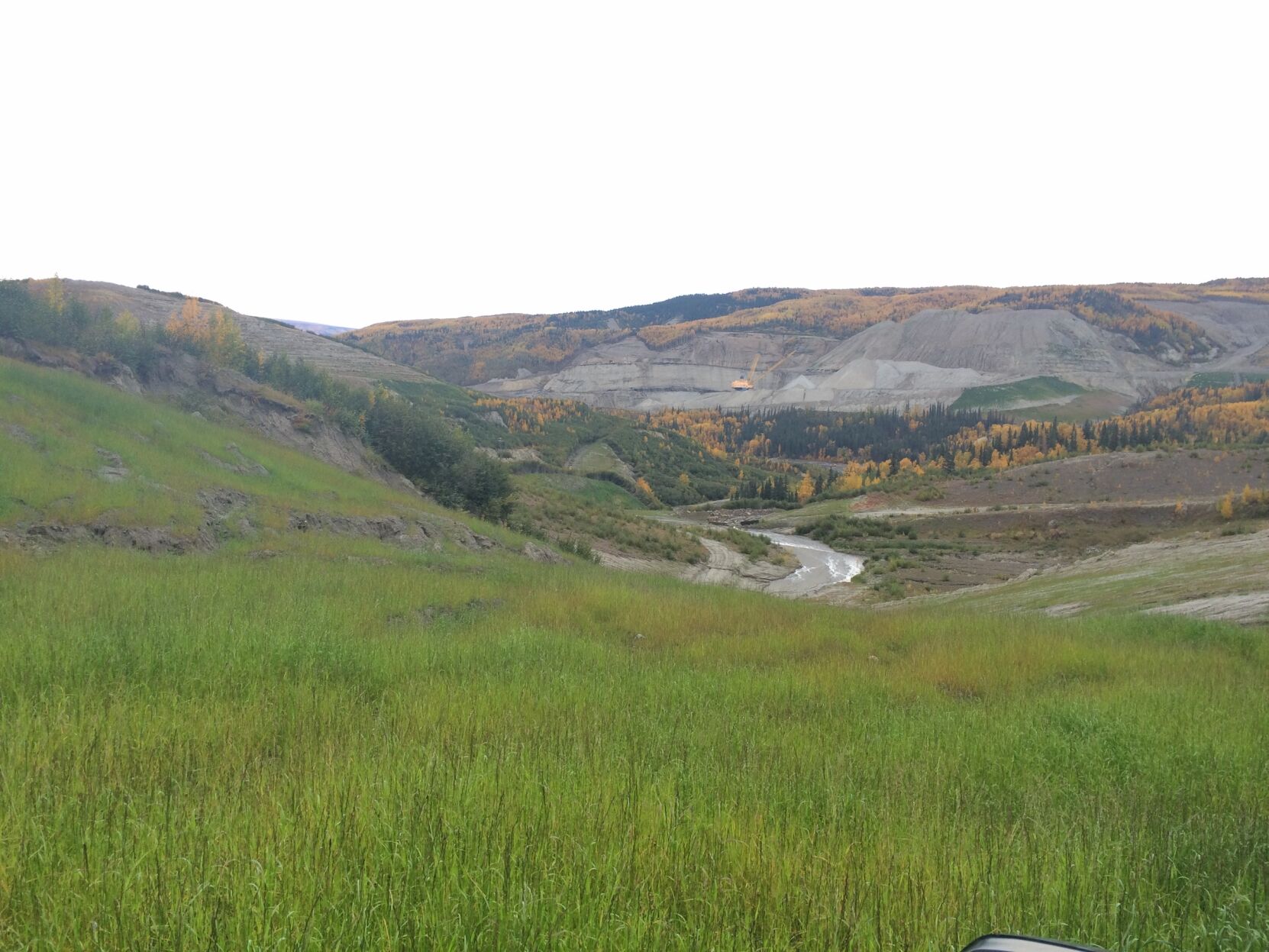
Mining is the real bright spot for the state’s economy. The state’s producing mines, which include five metals mines and one coal mine, are all doing well. Gold production is being expanded at the large Fort Knox and Pogo mines in Interior Alaska, which are also adding workers.
Employment is stable at the Usibelli coal mine at Healy, a legacy Alaska mine that has supplied energy for Interior Alaska for over half a century, and the workforce and production at the Greens Creek and Kensington mines near Juneau and the Red Dog Mine north of Kotzebue are stable.
Red Dog is the world’s largest zinc mine, and Greens Creek is one of the nation’s largest silver mines.
Several new mining projects are in advanced stages of exploration, such as the Donlin Gold project on the mid-Kuskokwim River area west of the Mat-Su Borough, and Arctic, a high-grade copper prospect in the Ambler Mining District in the western Brooks Range in northwest Alaska.
•••
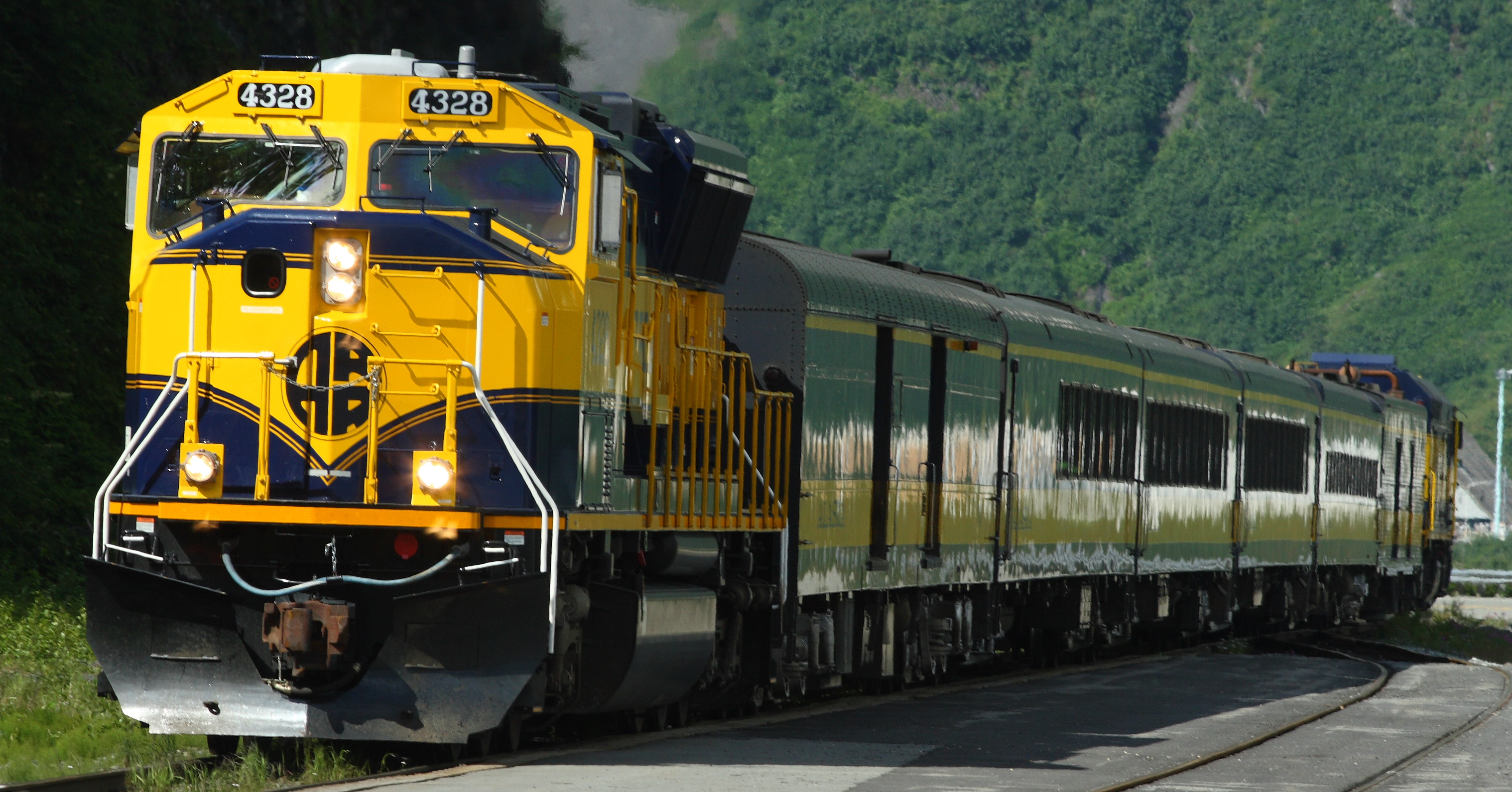
Tourism is showing continued signs of recovery from the industry’s almost total collapse in 2020 when the pandemic forced a cancellation of the summer cruise ship season, the backbone of the state’s visitor industry.
The 2021 tourism season was partly salvaged thanks to aggressive marketing by Alaska visitor industry groups including the Mat-Su Visitor and Convention Bureau to lure independent travelers.
That was a success and while it didn’t replace the number of tourists cruise ships bring it generated enough business that some Alaska hotels and visitor services like restaurants and local tours were able to operate.
Later in the summer some cruise ships were able to do limited sailings but mainly to Southeast Alaska destinations.
Shortages of labor plagued the industry, however, because of foreign visa reductions which cut the normal supply of young seasonal employees, mostly students from Europe.
•••
One other bright spot for the year is that the Alaska Permanent Fund continued to perform well, rising to record market values over $80 billion. The Fund now pays over $3 billion a year in support of the state treasury, providing for about two thirds of the state’s general fund budget.
The petroleum industry is still a significant contributor to the budget but it now pays about 25 percent of the general fund budget. In previous years oil has paid for 85 percent or more of the budget.

By Jeremiah Bartz Frontiersman.com A football coach using a hockey reference as the centerpiece for his keynote address may

Frontiersman.com With its headquarters in Wasilla, the Frontiersman has been a primary source of news for the Matanuska-Susitna

By Katie Stavick Frontiersman.com The next generation of leaders took flight this week as the Houston High School Class

By Kyle Wilkinson For the Frontiersman Keynote speaker and Carry the Cure President Bill Pagaran’s words boomed through the