Retiring teacher, coach urges Colony grads to ‘find their 68’
By Jeremiah Bartz Frontiersman.com A football coach using a hockey reference as the centerpiece for his keynote address may


July saw the continuation of one of the hottest seasons on record and the first major wildfire to break out in the Mat-Su Valley. Just before July 4, the Montana Creek fire was set ablaze near Talkeetna, threatening property and safety in the northern Valley. Though no lives were lost, the Division of Forestry called in resources from all over the state to include wildland fire crews from the Lower 48 and Canada to fight fires near Talkeetna. After the Montana Creek fire was just settling down, the Malaspina Fire erupted just over a mile away from the Montana Creek fire. The Malaspina Fire stayed within 80 acres, but the Montana Creek Fire lit up 365 acres and sent a massive smoke plume into the clear, warm air above Talkeetna. While the story remained positive about prevention of property destruction and no loss of life, the July fires were an eerie foreshadowing of the hot summer to come.
August continued the hot fire season as the McKinley Fire burned over 3,000 acres between mile 82 and 91 of the Parks Highway, concentrated in the Caswell Lakes area. Smoke plumes from the McKinley Fire drifted and connected with those of the Deshka Fire, which also burned 1,800 acres in August. Causing the longest closure of the Parks Highway this summer, traffic backed up for more than a mile at the road block and fire trucks continued to make round trips to and from water sources to battle the blaze. More than 50 structures burned in the McKinley fire, making it the most damaging of any 2019 wildfire in the Mat-Su Valley.
September ushered in a new era for the Mat-Su Borough Emergency Services Department as Central Mat-Su Station 6-2 was reopened with a state of the art training facility. The centralized training facility and fire station was more than a decade in planning, and will allow for all Borough first responders to be trained in the Mat-Su Valley, saving time, money, and allowing for a uniform training regimen for new fire and EMS employees. The 74 acre plot of land houses the old building that is now used as a warehouse and the newly constructed facility on Knik-Goose Bay Road, one of the fastest growing areas in the state.
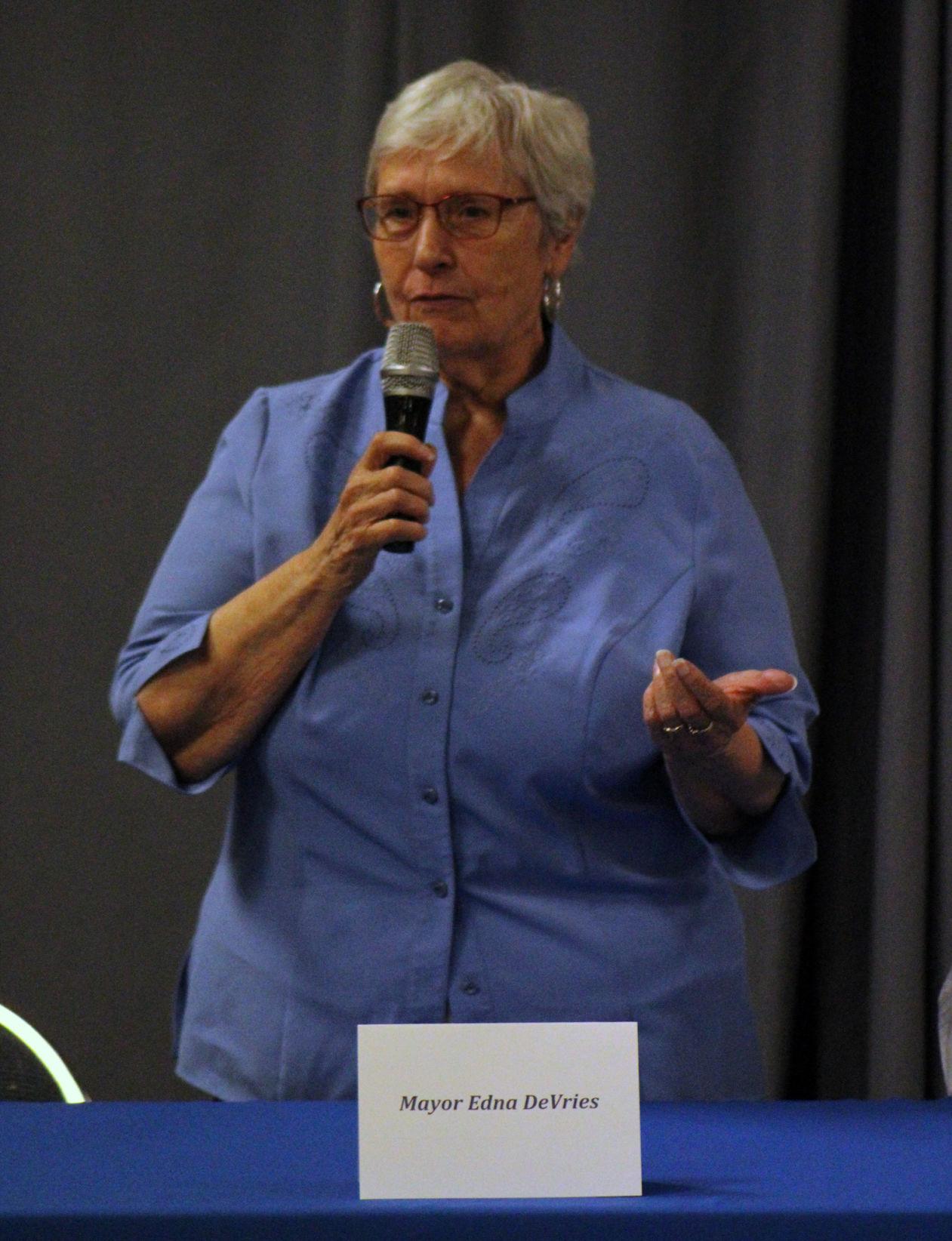
October was the season of elections, and the closest count of them all came down to three votes. With former Palmer Mayor Jim Cooper challenging current Palmer Mayor Edna DeVries. The vote was too close to call on election day and came down to the questioned, absentee and special needs ballots counted by the Canvass Board that Friday. DeVries received 267 total votes after the Canvass Board tally, holding on to her seat as Mayor and retaining a conservative majority on the Palmer city Council. The nerve-racking ordeal could only have been improved if the announcement of the candidate receiving the most total votes was delivered UFC style, with the Clerk raising DeVries hand as the public address announcer bellowed “And still…” raising a victorious hand in the air. However, with Republican party elites sitting in the room, the numbers were read aloud by Palmer city Clerk Norma Alley to the small handful gathered in the city council chambers.
November brought the long-awaited dream of certain Butte residents fed up with unwanted squatters that congregated on problem properties: moving day.
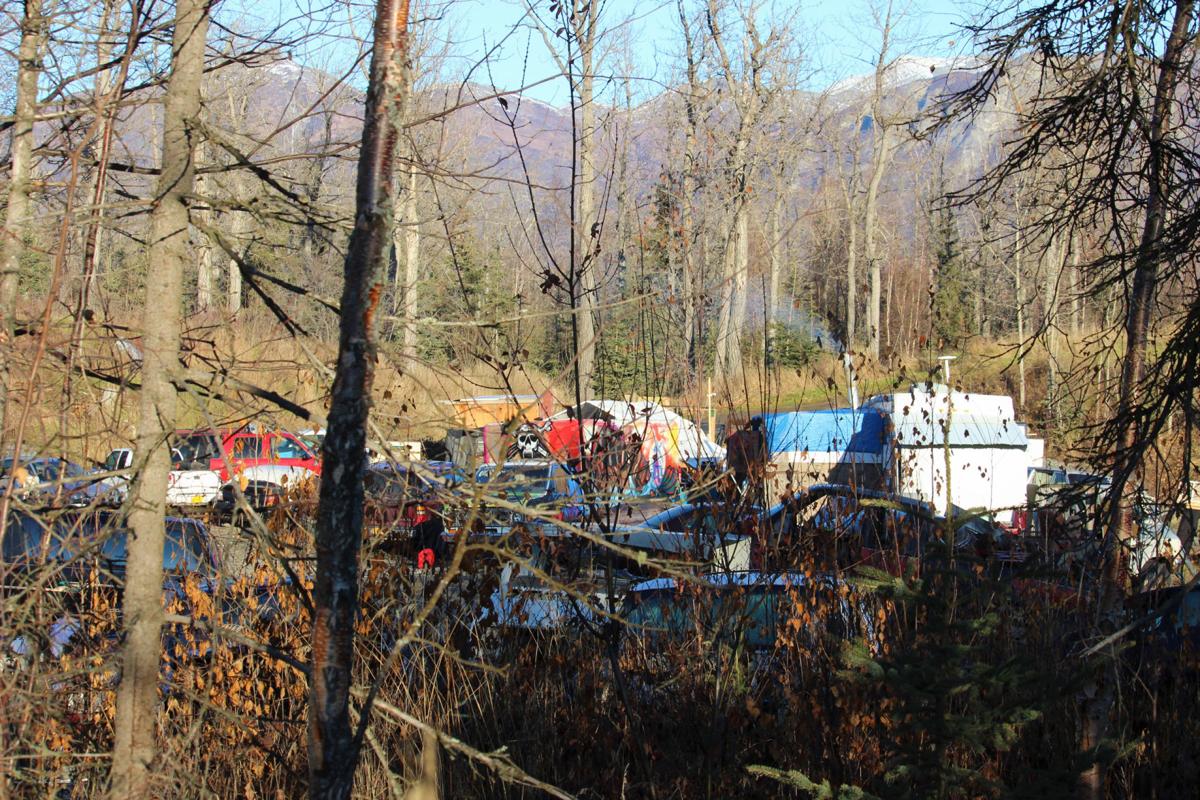
With a Writ of Assistance obtained from the lawyer of Mason Henry, illegal campers on South Bodenburg Loop were peacefully evicted from continuing to dump junk, trash, and vehicles on the property without ramifications. After numerous community meetings were held to discuss the possible actions that neighbors could lawfully take to evict their unwanted neighbors, the Alaska State Troopers removed a dozen people living on the property.
Since moving day on November 15, members of the Butte community have taken to cleaning up the mess others left behind, demolishing burnt out buildings and moving trash out of the line of sight from the road way. Persistent neighbors will continue the work through the winter to clean up the property once known as ‘the compound.’
December brought a change of heart from Governor Mike Dunleavy. Releasing his second budget of the year after his original proposal on February 13, Dunleavy released a mostly flat budget on December 11, which journalists were happy to see was ahead of deadline.
Dunleavy’s budget does include a Permanent Fund Dividend at about $3,000, compared to the $1,600 dividend paid out last year.
Rather than start the conversation with cuts, the Governor seems to allow the legislature to make the tough decisions as to where reductions can be made to balance the budget without additional revenues. Dunleavy’s FY 2021 budget taps the Constitutional Budget Reserve to the tune of $1.5 billion, depleting state funds to about $500 million.

By Jeremiah Bartz Frontiersman.com A football coach using a hockey reference as the centerpiece for his keynote address may

Frontiersman.com With its headquarters in Wasilla, the Frontiersman has been a primary source of news for the Matanuska-Susitna

By Katie Stavick Frontiersman.com The next generation of leaders took flight this week as the Houston High School Class

By Kyle Wilkinson For the Frontiersman Keynote speaker and Carry the Cure President Bill Pagaran’s words boomed through the