Retiring teacher, coach urges Colony grads to ‘find their 68’
By Jeremiah Bartz Frontiersman.com A football coach using a hockey reference as the centerpiece for his keynote address may


PALMER — If you’re thinking, “A colonoscopy?! Isn’t that a test for OLD people?,” you may want to pay attention to recent news from the American Cancer Society. The ACS lasy year altered its recommendation for first-time colon cancer screening, lowering the guidelines from age 50 to age 45, for those at average risk of cancer.
The change was directly tied to the rising number of younger adults being diagnosed with colorectal cancers – including many with no family history of the disease.
Colon cancer is the third most common form of cancer for both men and women in the United States. In 2019, it was estimated that 145,600 new cases of colon and rectal cancers would be diagnosed. (National Cancer Institute)
There is the potential for false perceptions regarding the changing data on colon cancer, according to the ACS. While mortality rates from colon cancer have been declining over the past 30 years, the number of new diagnoses is actually increasing. This is both good news and bad news – we are doing a better job of screening for and removing polyps before they become cancerous, while lifestyle and diet choices are driving up the risk and incidence of these cancers in general.
In addition to the changes in screening age, the ACS also issued some additional guidance on screening methods that patients and their doctors can consider. If a colonoscopy is not recommended at this time, or there are financial or other barriers to the procedure, talk to your physician about one of these less invasive screening methods:
• Fecal immunochemical test (FIT) – stool-based test recommended once per year
• Guaiac-based fecal occult blood test (gFOBT) – stool-based test once per year
• Multi-targeted stool DNA test (MT-sDNA) – stool-based test, once every 3 years
• CT Colonography – “virtual colonoscopy,” once every 5 years
• Flexible sigmoidoscopy (FSIG) – once every 5 years
“While colonoscopy remains the gold standard, there are several diagnostic and lab tools that can screen for the presence of blood or polyps in the colon,” said Tak-Ming Ko, MD, a board-certified general surgeon in Palmer. Patients should be aware that an abnormal result in any of these tests MUST be followed by a full colonoscopy, in order to mitigate the increased risk of cancer, and to promptly remove any polyps, Ko added. This fact should be considered by both patient and physician, before any of these lesser screening methods are used.
Finally, the new guidance includes very specific precautions for those at increased risk of colon cancer. For these patients, the physician may advise initial screening BEFORE age 45, being screened more often, and/or using specific screening methods to ensure polyps are found and removed early, before they can become cancerous. These risk factors include:
• A personal or family history of colorectal cancer, or of certain types of polyps
• A personal history of ulcerative colitis or Crohn’s disease
• A history of radiation in the abdomen or pelvis, in treatment of previous cancer(s)
• A genetic and hereditary colorectal cancer syndrome, such as familial adenomatous polyposis (FAP) or Lynch syndrome
While it is one of the most common forms of cancer, colon cancer is also highly preventable and treatable. Healthy diet and lifestyle choices, combined with proactive screening and prompt removal of any polyps, can dramatically reduce your risk of contracting this disease. Also, never ignore changes of any kind in your bowel habits – be prepared to share details with your physician, including frequency, consistency and any type of discomfort or dysfunction.
If you are 45-years or older and have not yet been screened for colon cancer, schedule an appointment with your primary care provider to get screened. March is Colorectal Cancer Awareness Month – the perfect opportunity to get checked for colon cancer.
You can also schedule a colon screening directly with Dr. Ko or one of five other general surgeons in the Mat-Su Valley who perform screening colonoscopies for patients. Visit MatSuRegional.com, use the Find-a-Doctor tool, and select Surgery-General from the dropdown menu.
Mat-Su Regional Medical Center is a member of the Mayo Clinic Care Network. It is a 125-bed healthcare facility providing advanced surgical service, including robotic-assisted partial and total knee and total hip replacement, cardiac care, emergency services, sleep studies, inpatient behavioral health, advanced wound care, three urgent care centers, the Family Birthing Center and is home to the 30-Minutes-or-Less ER Service Pledge. Mat-Su Regional is accredited as a Chest Pain Center by the American College of Cardiology, and as an Acute Stroke Ready Hospital by The Joint Commission. To learn more about Mat-Su Regional, visit www.MatSuRegional.com.
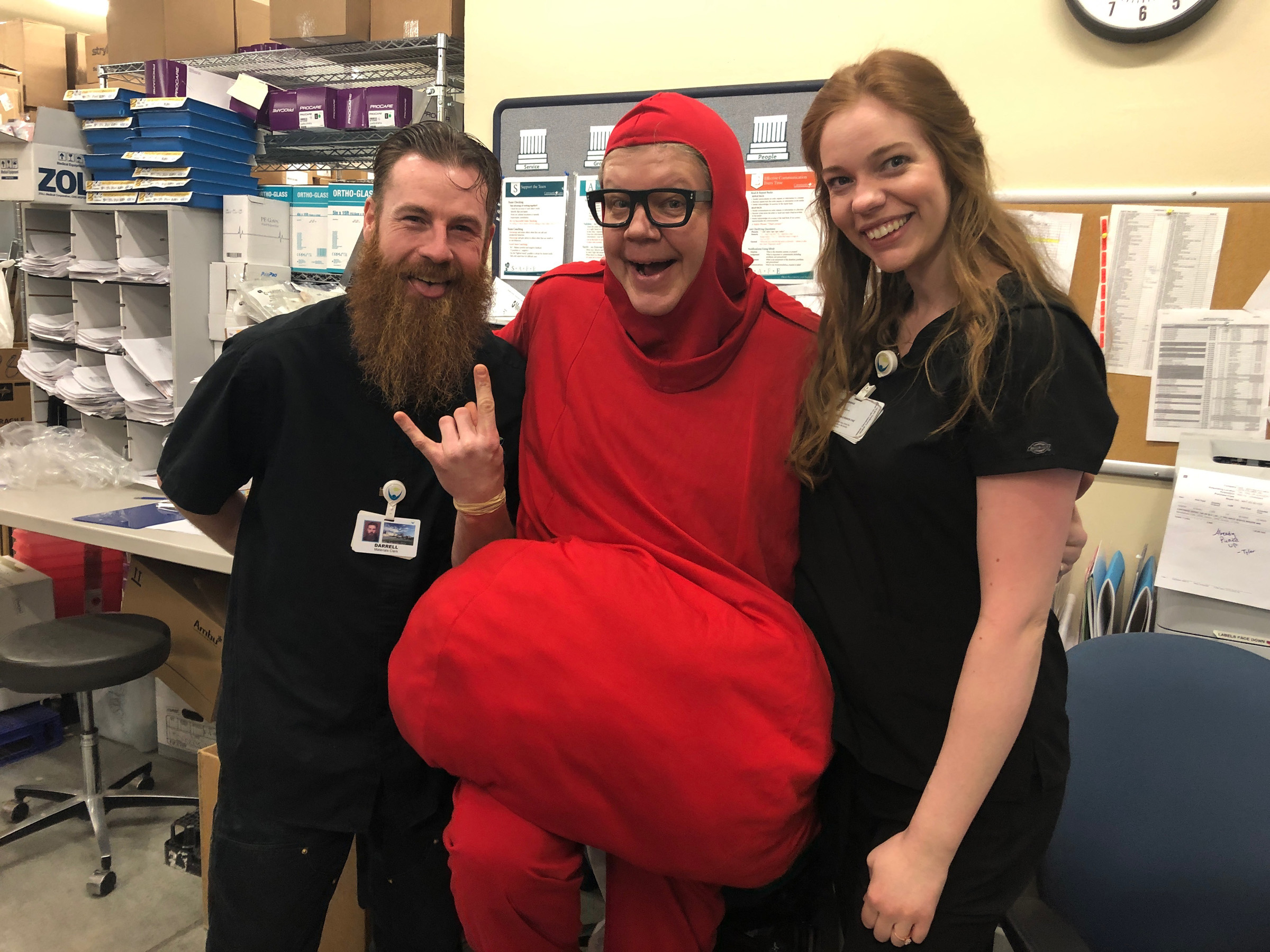
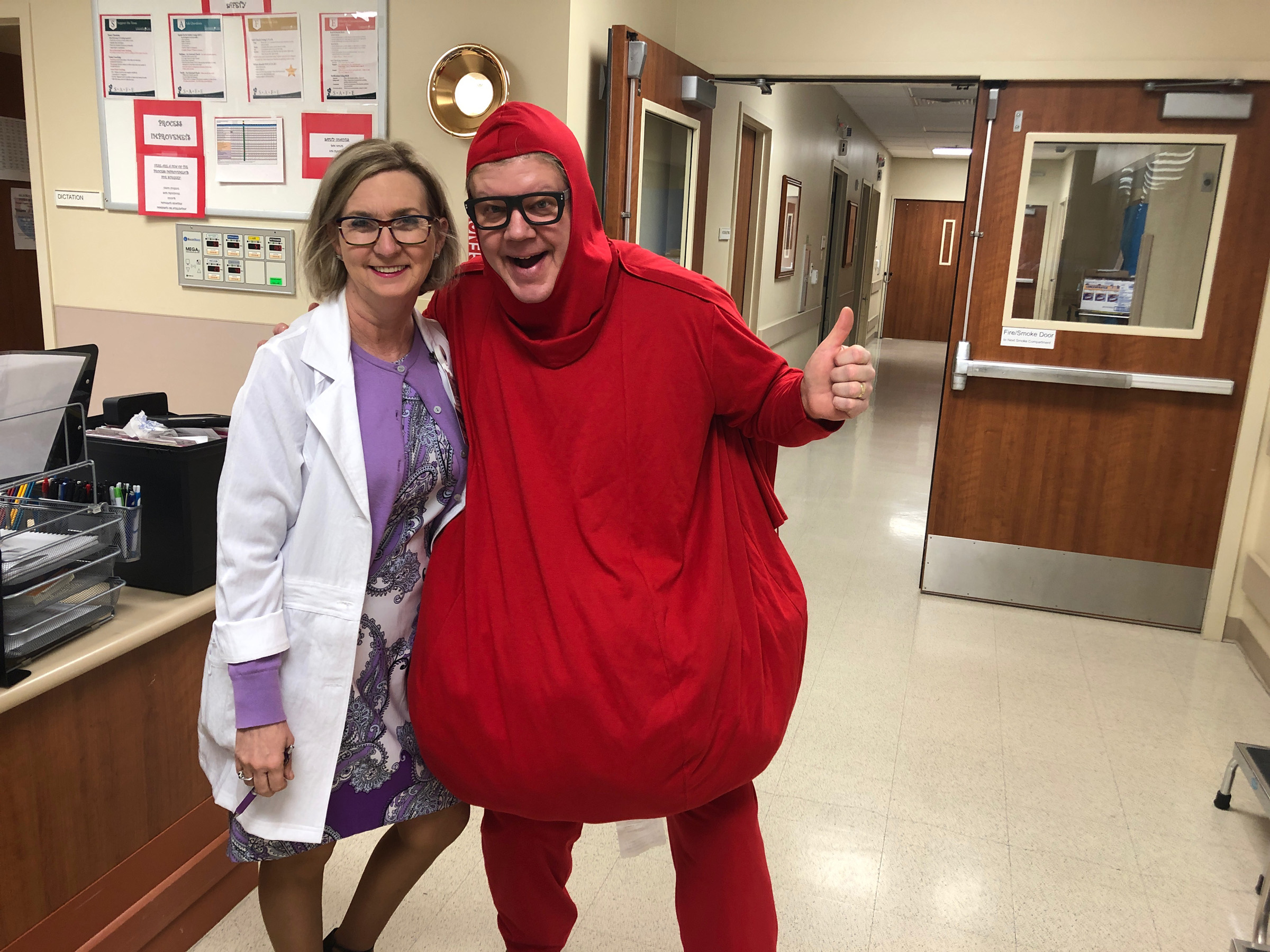

Frontiersman.com Mat-Su Regional Medical Center was awarded an “A” Hospital Safety Grade for the 5th consecutive grading round

By Kyle Wilkinson For the Frontiersman Alaska Health Fair will once again partner with Sunshine Community Health Center (SCHC) to
By Rob Lewis Community spectrum By any honest measure, veterans have long been unintended pioneers in the advancement of medicine.
Katie Stavick Frontiersman.com On April 30, the Alaska House of Representatives unanimously passed House Bill 244, a landmark bill