Retiring teacher, coach urges Colony grads to ‘find their 68’
By Jeremiah Bartz Frontiersman.com A football coach using a hockey reference as the centerpiece for his keynote address may


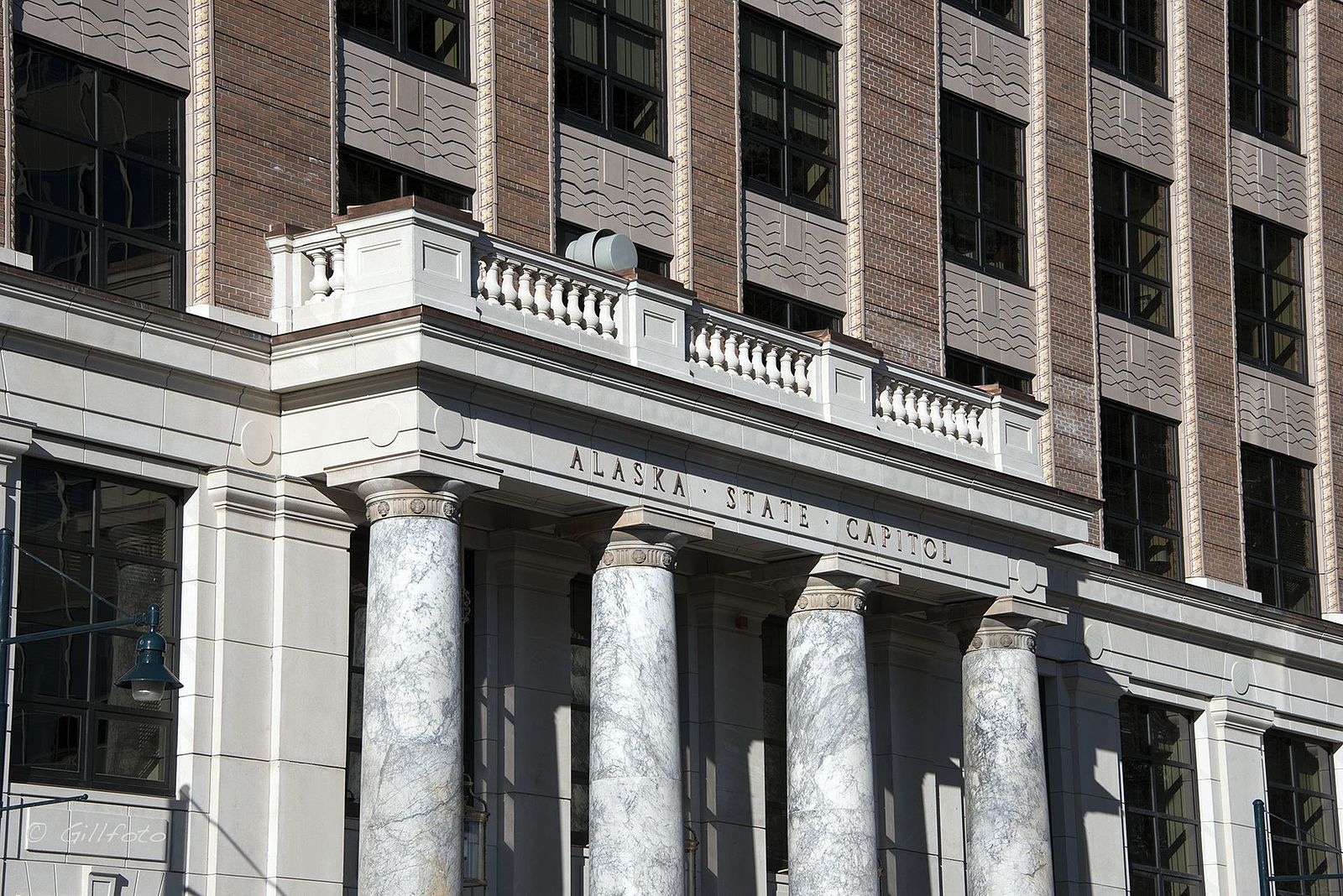
Gov. Mike Dunleavy urged legislators to buckle down on major decisions and bills with the 2022 legislative session under way Jan. 18 in Juneau.
“Let’s keep our constituents’ needs in mind over these next 120 days and concentrate on getting things done. We have a lot to do in a short period of time,” Dunleavy said in a statement.
Legislators didn’t need the governor’s encouragement. The first four days of the 2022 session, which began Tuesday, had heavy agendas with committees reviewing budgets and programs in heavy-lift agencies like the departments of Transportation and Public Facilities; health and social services and education and early development.
Lawmakers wasted no time in taking up bills, either, although most of the first-week meetings were on refresher sessions on bills that had already advanced during the 2021 session.
The meetings will set the stage for amendments and the bills moving on in the process,
In remarks to reporters last Monday the governor expressed concern that the 2021 session’s accomplishments were few, and that the public expects more.
“People have been watching elected officials talk about their issues but taking little action to address them,” Dunleavy said. “After a year that saw major economic disruptions, closed schools, and pandemic challenges, Alaskans saw four special sessions being held that came no closer to addressing our state’s financial future,” he said.
The governor laid out some of his priorities including a public safety and sex trafficking proposals made earlier, in December, but also a major election “integrity” bill being prepared for introduction.
“We all feel elections matter and that peoples’ vote should count,” the governor said, although he did not spell out specifics of the proposal.
Several election-related bills were introduced last year, including one by Sen. Mike Shower, R-MatSu, but none of them saw action.
“I hope the Legislature will heat this bill and act on it, and also ensure the Lieutenant Governor has the resources,” to carry out elections and to educate voter about the “ranked choice” new ballot system, although that is still under a legal challenge.
Dunleavy alco returned to his top priority last year, and this year, in the Monday briefing. It is a new system in place for determining the amount of the annual Permanent Fund Dividend, or PFD.
“Resolving the permanent fund dividend issue has been a priority for my administration, but more than that, it’s what Alaskans expect, deserve and need. I encourage Senate Finance chairs to hold hearings on my administration’s ‘PFD 50/50 plan’ and offer alternatives, amend it, follow it, but do not ignore it,” Dunleavy said.
The 50-50 plan involves splitting the annual payment made for state budget support from Alaska Permanent Fund earnings, which amounts to just over $3 billion a year. Dunleavy would have half of this, or about $1.5 billion, going for budget support and the other roughly $1.5 billion going to fund a larger PFD. Had the plan been in effect thus year the dividend would have been about $2,000. Currently the Legislature sets the PFD based roughly on funds available. It was about $1,200 this year.
Confidence in knowing how muchs the dividend will be is important. “Right now, people around Alaska are paying higher prices for everything – groceries, gas and other essentials – with inflation at a 40-year high. We need to do the right thing for Alaskans during this session,” Dunleavy said, by clarifying how the PFD is calculated.
The governor also said he will pursue initiatives to make Alaska more self-sufficient in food and other necessities, and to remove regulatory roadblocks impeding sales of locally-grown food to communities.
“An example of this is that for a local grower in Southeast Alaska or In the northwest, a state inspector from Anchorage must certify as to the safety,” of food, which makes for an expensive, cumbersome system.
Alaska is vulnerable because, unlike California or Texas, the state is too small and remote to be truly self-sufficient in food or something like manufacture of clothing, or even refined fuels.
The advent of globalization has made the state even more vulnerable, “and we let our guard down,” by not being vigorous in promoting self-sufficiency” the governor said.
Despite the problems things are going well for the state. “The Permanent Fund has almost $84 billion, we have a surplus in our budget and there’s good news in the solvency of our pension funds,” Dunleavy said.
“Let’s come together to strengthen the state for our people. Together, we can make Alaska safer, lower the cost of energy, defend Alaska from federal overreach and create more opportunities for Alaskans,” the governor said in his Monday briefing.

By Jeremiah Bartz Frontiersman.com A football coach using a hockey reference as the centerpiece for his keynote address may

Frontiersman.com With its headquarters in Wasilla, the Frontiersman has been a primary source of news for the Matanuska-Susitna

By Katie Stavick Frontiersman.com The next generation of leaders took flight this week as the Houston High School Class

By Kyle Wilkinson For the Frontiersman Keynote speaker and Carry the Cure President Bill Pagaran’s words boomed through the