Retiring teacher, coach urges Colony grads to ‘find their 68’
By Jeremiah Bartz Frontiersman.com A football coach using a hockey reference as the centerpiece for his keynote address may


EIELSON AIR FORCE BASE, Alaska (AFNS) — During exercise Red Flag-Alaska 19-2, U.S. Air Force tactical air control party joint terminal attack controllers assigned to the 116th Air Support Operations Squadron partnered with JTACs from the British Army and the South Korean air force.
Throughout the exercise, they shared tactics, techniques and procedures regarding close air support, enabling them to work together more efficiently in the future if the need arises.
“One of the biggest differences between us and the United Kingdom JTACs is that theirs are in the Army,” said U.S. Air Force Senior Master Sgt. Cory Welton, 116th ASOS JTAC. “Having them here allows us to learn more about how they do things in the British Army as well as teach them how U.S. Air Force JTACs accomplish the same job.”
Close air support involves aircraft pilots in the air providing direct support to JTACs on the ground and requires precise communication between the two to be successful. Although the basic concept of close air support is the same for members of all three nations’ armed forces, sharing specific tactics, practicing with multiple airframes and observing each other’s procedures allow all personnel involved to incorporate new strategies and learn to work together more effectively.
“Here at (Red Flag-Alaska) we’ve gotten a lot of good experience working with our coalition partners,” said British Army Staff Sgt. Robert Leonard, British Army Headquarters 1st Artillery Brigade JTAC. “Being able to observe and participate in the coordination of CAS with coalition aircraft allows us to get very realistic training.”
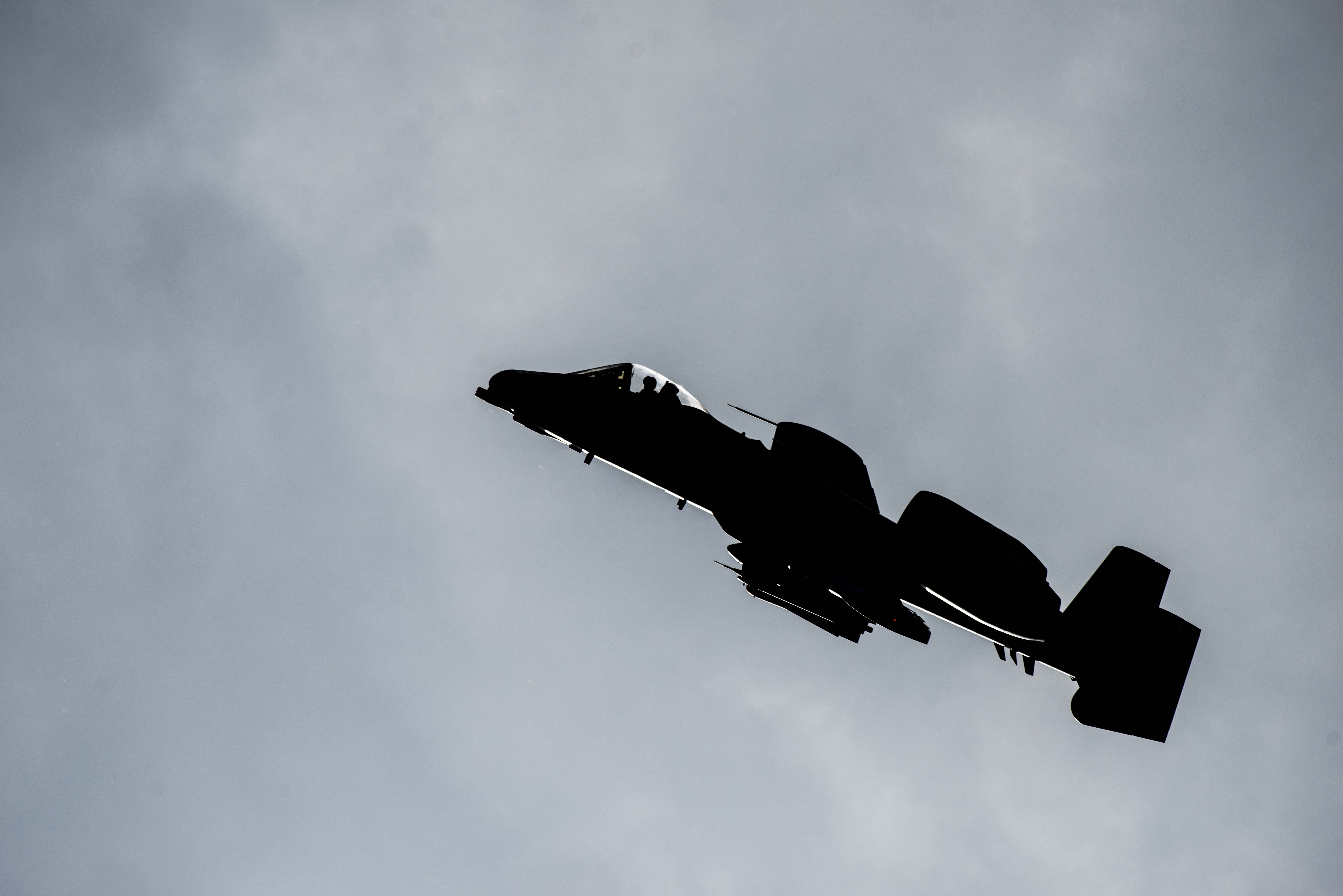
During the two-week exercise, JTACs from all three countries had opportunities to coordinate with pilots operating several different aircraft such as U.S. A-10s and F-16s, as well as Japan Air Self-Defense Force F-2s. The close air support training served as an integral part of exercising multi-domain operations, where members of the U.S. Air Force, British Army and South Korean air force enhanced their ability to work together in future contingencies.
By Frank Murkowski Opinion Is the threat to Alaska real? I believe it is. The continuing conflict involving Iran is

Farmers markets set to open June marks the beginning of freshly grown Alaska produce showing up around the Mat-Su

By Kyle Wilkinson For the Frontiersman The Susitna Valley Emergency Preparedness Fair will be held at the Willow Community Center

By Tim Bradner For the Frontiersman Palmer’s Museum of History and Art hosted 30,000 visitors and 406 tour