Retiring teacher, coach urges Colony grads to ‘find their 68’
By Jeremiah Bartz Frontiersman.com A football coach using a hockey reference as the centerpiece for his keynote address may


Food security — a situation that exists when all people, at all times, have physical, social and economic access to sufficient, safe and nutritious food that meets their dietary needs and food preferences for an active and healthy life — is not far from many who live in Alaska.
With food and fuel costs rising, many Alaskans struggling to access enough nutritious food to maintain a healthy lifestyle, making it one of the most food insecure states in the country, with over 95,000 Alaskans, or roughly 1 in 8, facing hunger. Food insecurity is more prevalent in rural Alaska and among Alaska Native communities.
While Alaska relies on subsistence hunting and harvesting, to the tune of an average of 295 pounds of subsistence food per person in rural communities, compared to 22 pounds per person in urban areas, the state still imports about 95% of the food it purchases, which can cost the state $1.9 billion annually. Not to mention that the state’s long supply chains are vulnerable to interruptions from extreme weather, wildfires, and pandemics, also contribute to food insecurity.
One company here in the Matanuska-Susitna Valley is working to address food insecurity locally and across the state. Alaska Food Company cut the ribbon on their new commercial facility in Meadow Lakes on September 24.
“We’re growing so fast that we can hardly keep up, which is a blessing and says something about the state of Alaska,” said Cheryl Metiva, Chief Marketing and Community Engagement Officer.
The Alaska Food Company’s mission is to lessen people’s dependency on imported food productions by providing nutritional, high-quality, shelf stable, freeze-dried food while creating sustainability for future generations. The freeze-dried food is not only aimed at people looking for healthier snack and meal options, but reduces the weight of normal food, making it ideal for disaster relief agencies, at-home emergency preparedness, and outdoor adventurers as well as rural and challenging delivery locations.
“Being able to freeze dry food, and being the first commercial freeze-drier in the state of Alaska, if we do have something that happens and they decide to stop shipping food, we got this,” explained Janell Murrill.
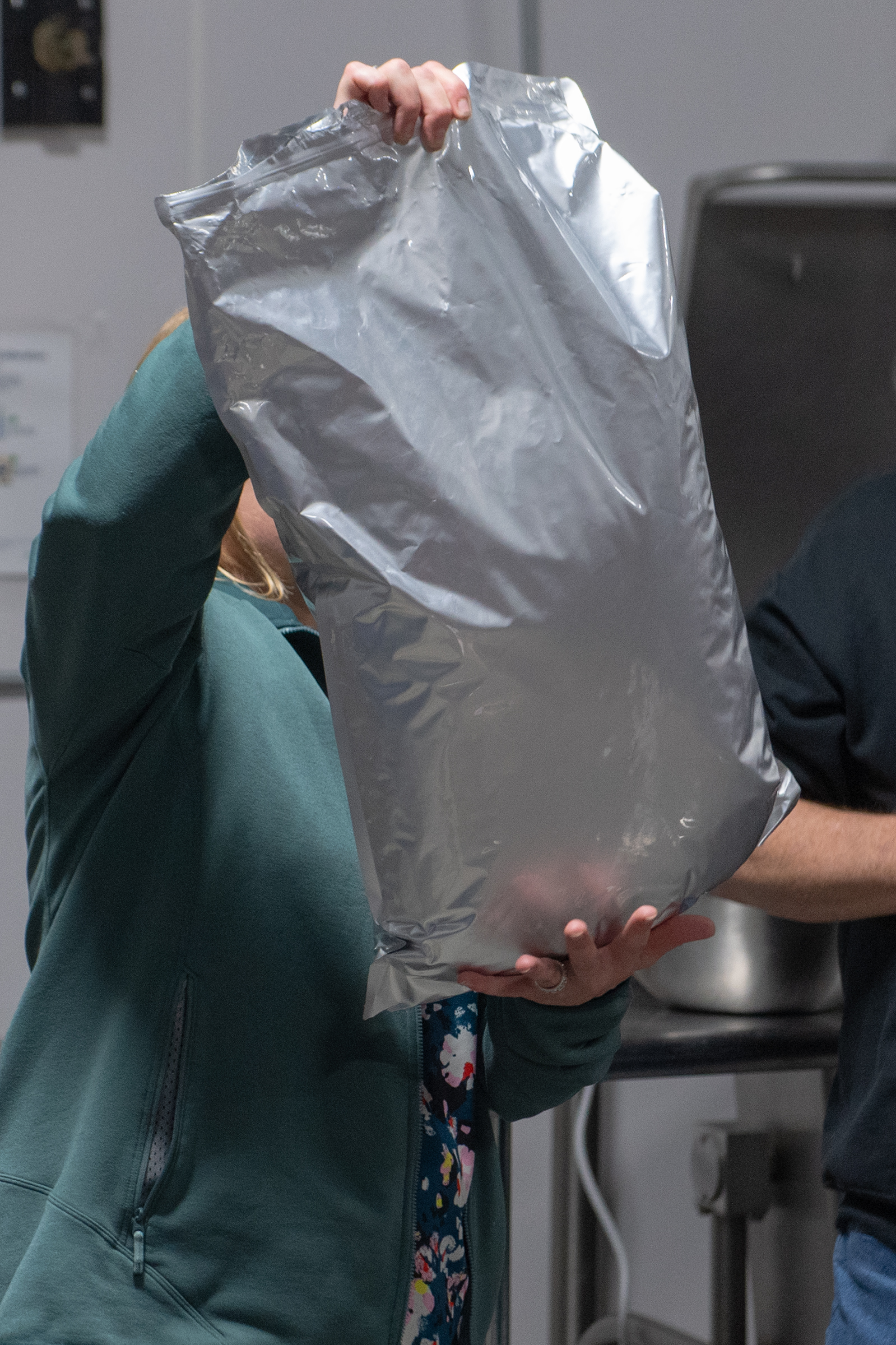
She said that by freeze-drying the food, including strawberries, apples, pineapples, and bananas, to name a few, they are able to retain the nutritional value of the food, able to preserve the food for up to 80 years.
“We can have something sitting on the shelf and if a natural disaster or something happens, we’re able to send food out to the villages. We’re able to do whatever we need to do to help.”
Murrill gave an overview of how the process works, explaining that there are different time requirements depending on the food they are preparing and freeze-drying, and preserving the products. She said they try to use as much Alaskan-grown items as they can, and once received, her and her crew process everything by hand, and once that is completed, the processors are prepped and able to process up to 1,500 pounds of food at a time.
“Our whole goal in the state of Alaska is to establish food security,” said Murrill. “We are so reliant on shipping that if COVID hits again or a disaster happens, there is only enough food in the state to source all of Alaskans for up to ten weeks. By being able to freeze, we can say ‘we got this,’ and help our people out.”
“We import $3 billion dollars’ worth of food. This is more money that can stay in the state and we can support our local economy while still providing food for the local or rural communities, said founder Josh Waisanen.
Metiva said they are hoping to launch their latest offering, freeze-dried mashed potatoes, made from Alaskan-grown potatoes, in time for the holidays. “We have a whole lot of other things we’re working on in development. Instead of a traditional potato chip, we’re going to come out with Alaska chips. We’re looking at a flavor profile with sweet potatoes, beets, carrots and yams.” She said they are also working on an Alaskan seafood chowder.
The company has been working locally with Dale Keefe, the General Manager of Chop House at Lake Lucille to develop flavor profiles and developing recipes, something Metiva says they are very excited about. “If you’ve been to Chop House, you know how great they are. The sky’s the limit.”
Another group they are working with is the Chef Ann Foundation, a nonprofit that works with K-12 schools in all 50 states ensure that school food professionals have the resources, funding and support they need to provide fresh, healthy, delicious, cook from scratch meals that support the health of children.
“This year, the Anchorage School District was selected as one of the 8 districts nationwide they are working with this year. And we are one of six partners working with them,” Metiva explained, adding that they are also working with the Matanuska-Susitna Borough School District, who she says have expressed interest in adding their healthy snacks into vending machines at the schools.
Currently, people can purchase items from the Alaska Food Company at Three Bears Alaska, 907 Surplus, and All About Herbs. They are planning to launch online ordering as well.
“There’s a lot happening.”
To learn more about the Alaska Food Company, please visit www.alaskafoodco.com

By Jeremiah Bartz Frontiersman.com A football coach using a hockey reference as the centerpiece for his keynote address may

Frontiersman.com With its headquarters in Wasilla, the Frontiersman has been a primary source of news for the Matanuska-Susitna

By Katie Stavick Frontiersman.com The next generation of leaders took flight this week as the Houston High School Class

By Kyle Wilkinson For the Frontiersman Keynote speaker and Carry the Cure President Bill Pagaran’s words boomed through the