Retiring teacher, coach urges Colony grads to ‘find their 68’
By Jeremiah Bartz Frontiersman.com A football coach using a hockey reference as the centerpiece for his keynote address may


As residents brace for another week in the deep freeze that has gripped the Mat-Su Borough with sub-zero temperatures, people are finding all kinds of ways to keep busy. And one popular activity is trekking out across the frozen ponds whether by car, truck, or snow machine.
But not so fast. Not all ponds and lakes have frozen over with an equal ice thickness, as a few have found recently out in Big Lake, a popular site for recreating on the ice.
Longtime Big Lake resident Dan Mayfield routinely checks ice conditions, clearing out areas near his residence, and reports on the ice conditions on the lake. He says he could tell some stories of intrepid snow machiners and drivers who have ventured out across the lake, only to find weak spots and fall through.
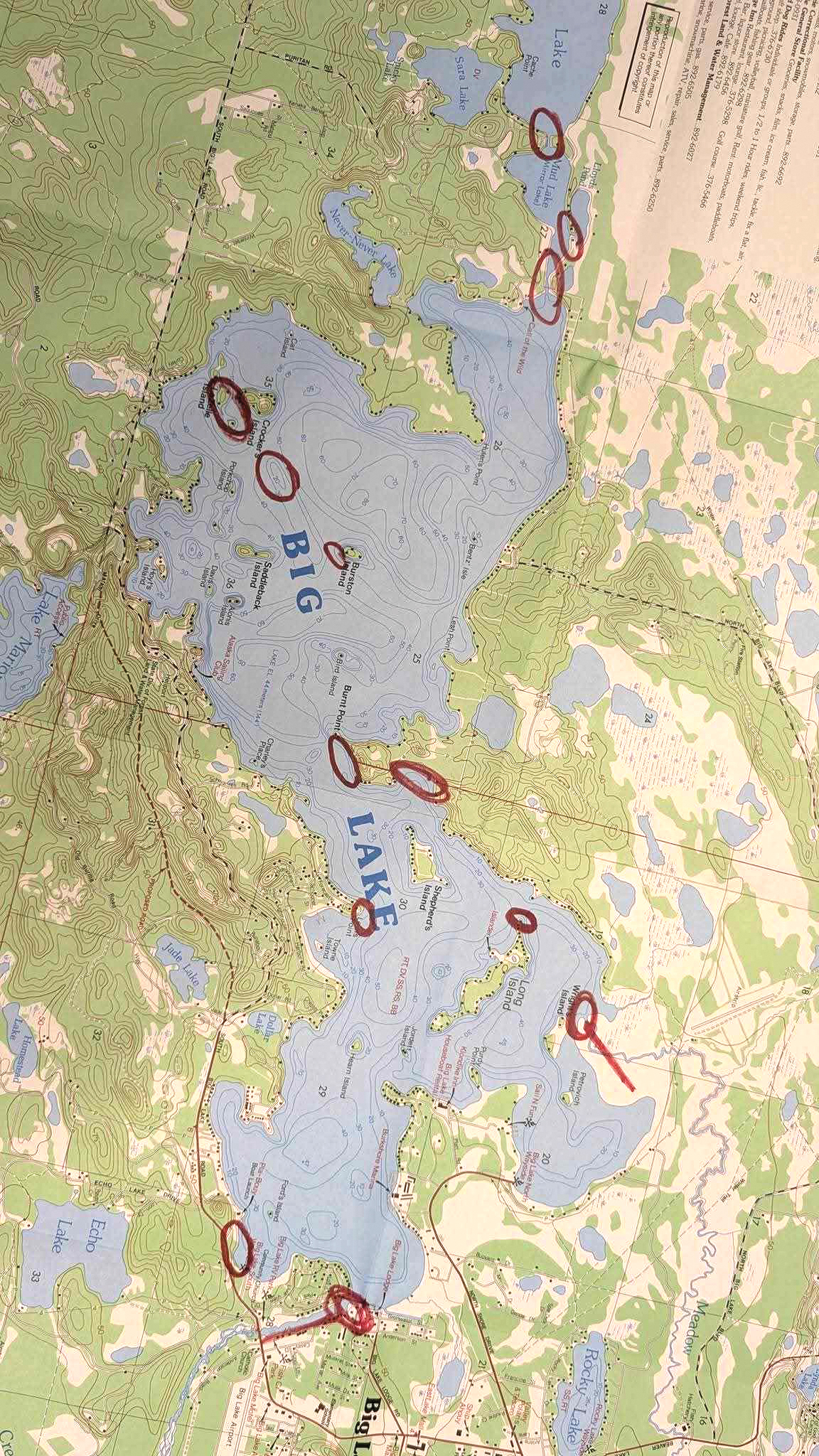
“Most don’t know that the water flows differently under parts of the lake,” Mayfield says, especially in the channels where Big Lake connects to Mirror Lake, Flat Lake and other surrounding waterbodies.
“Machiners go over the channels, rather than the roads next to them, and that can lead to trouble.” Mayfield says that the water under the channels flows faster, something that many locals know to avoid, but people unfamiliar with the area don’t often take into consideration.
He’s says some areas to avoid, especially for those new to Big Lake, in the winter with cars & trucks.
- Fish Creek outlet and Fish Creek
- Meadow Creek inlet and Meadow Creek
- The man-made connectors between Big Lake, Mud Lake and Flat Lake
“We typically try to discourage people from those areas, as well as to warn them to avoid areas with hot springs,” he says.
Mayfield advises that regardless of where they are heading for some frozen lake fun to become familiar with the terrain, including checking for ice thickness. “Respect the ice before heading out onto it.”
While there is no publication or app in the Mat-Su Borough, Mayfield recommends people go online to check conditions before heading out. One site that can be useful is the National Weather Service (NWS) Alaska-Pacific River Forecast Center: The NWS provides general ice thickness guidelines and links to resources, including US Army Corps of Engineer (USACE) safety load information, current ice conditions and safety information on Big Lake and other waterbodies.
The USACE also offers general safety guidelines for traveling on the ice:
--Less than 4 inches: Stay off the ice.
--4 inches: Suitable for walking, ice fishing, or ice skating.
--5 to 7 inches: Safe for snowmobiles or ATVs.
--8-12 inches: Generally safe for a car or small pickup.
Always verify ice conditions locally and in multiple spots, as strength can be highly variable, especially near inlets, outlets, or during changing weather conditions
Of course, people can also connect via social media community pages to learn more about conditions. Drill Team Six Fishing Excursions created a map of Big Lake to help out new and seasoned ice anglers, in hope of saving another individual from going through the ice. “As you can see there are several areas to be cautious about when traveling across the lake. Our goal was to help out the community and save a life because Big Lake has been known for that in the past.” Owners Sonia and Dan also warn that with a huge uptick in social media and ice fishing "content creators," it has invited a lot of people out to Big Lake.
No matter what tool or site you use before heading out onto the ice, Mayfield says stick to plowed areas and roads, even on the lakes. “Plowed roads offer assurance that the road is safe,” he says, noting that ice must be very thick to allow for someone to have plowed the areas.
“Don’t endanger yourself or your family by traveling someplace that others have not travelled.”
For more information about ice road thickness, please visit the NWS Alaska Rivers and Lakes Ice Thickness Map, www.weather.gov/aprfc/icethickness (Look for "Ice Thickness" for statewide measurements).
To learn more about ice safety loads, please visit www.dot.alaska.gov/stwddes/research/assets/pdf/ice_load.pdf

By Jeremiah Bartz Frontiersman.com A football coach using a hockey reference as the centerpiece for his keynote address may

Frontiersman.com With its headquarters in Wasilla, the Frontiersman has been a primary source of news for the Matanuska-Susitna

By Katie Stavick Frontiersman.com The next generation of leaders took flight this week as the Houston High School Class

By Kyle Wilkinson For the Frontiersman Keynote speaker and Carry the Cure President Bill Pagaran’s words boomed through the